



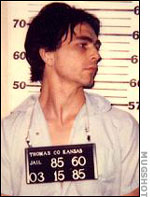
Forensic & Criminological Matrix
| Parameter | Forensic Detail |
|---|---|
| Forensic Heading / Aliases | The killer for the Eastern Shore |
| Legal Identity | Morris Odell Mason |
| Confirmed Victims | 1 |
| Attributed / Indicted Victims | 2 |
| Active Timeline | 1978 |
| Jurisdiction / Area of Operations | Northampton County, Virginia |
| Criminological Classification | Sexual murderer and arsonist |
| Forensic Modus Operandi | Rape, torture (nailing to chair), and arson |
| Weapon / Mechanism of Death | Axe, fire, and blunt force trauma |
| Motive / Behavioral Dynamics | Psychopathy, paranoid schizophrenia, low IQ |
| Judicial Outcome | Death penalty (executed via electric chair) |
1. Background and Profile
Morris Odell Mason (1954–1985) was an individual with a documented history of mental health issues, including a low IQ (62–66) and paranoid schizophrenia. Throughout his life, he exhibited violent tendencies and was frequently institutionalized. Despite his cognitive impairments, state psychiatric evaluations concluded he possessed sufficient awareness to understand the criminality of his actions.
2. Criminal Career and Modus Operandi
In 1978, shortly after being paroled for arson, Mason embarked on a violent spree. His most notorious act involved the rape and murder of 71-year-old Margaret K. Hand. He beat her with an axe, nailed her wrists to a chair, and set her house on fire. He also admitted to the murder of an 86-year-old woman and the assault of two teenage sisters, one of whom was left paralyzed.
3. Investigation and Arrest
Law enforcement linked Mason to the crimes through physical evidence and his own admissions. A critical error occurred when Mason returned to the scene of the Hand murder to retrieve a bag containing his identification, which directly linked him to the crime scene.
4. Legal Proceedings and Outcome
Mason was sentenced to death, along with multiple life sentences. His legal team argued that his mental condition rendered the death penalty inappropriate. Governor Charles S. Robb denied clemency after reviewing internal memos confirming Mason's competency. His appeals were exhausted, and the Supreme Court declined to intervene.
5. Psychiatric Evaluation and Execution
Mason was executed in Virginia's electric chair on June 25, 1985. His case remains a significant point of discussion regarding the execution of individuals with developmental disabilities. Observers noted his lack of comprehension regarding his own death, as he reportedly asked about his funeral attire shortly before his execution.