Forensic & Criminological Matrix
| Parameter | Forensic Detail |
|---|---|
| Forensic Heading / Aliases | None |
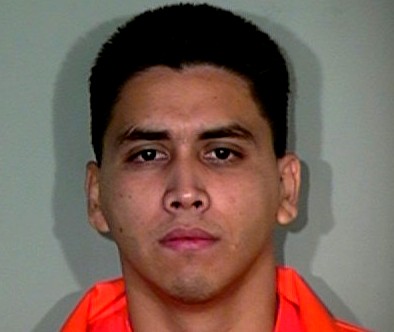
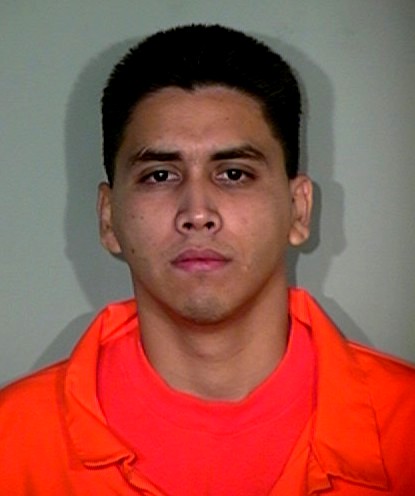
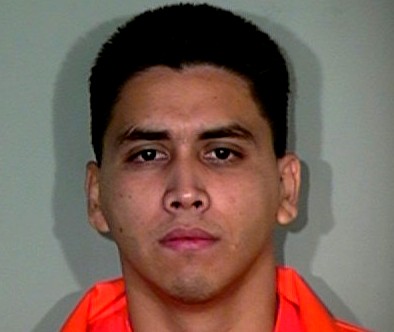
| Legal Identity | Ernesto Salgado Martinez III |
| Confirmed Victims | 2 |
| Attributed / Indicted Victims | 2 |
| Active Timeline | August 1995 |
| Jurisdiction / Area of Operations | Arizona and California, USA |
| Criminological Classification | Itinerant murderer / Cop killer |
| Forensic Modus Operandi | Use of taped-handle revolver, vehicle theft, and interstate flight |
| Weapon / Mechanism of Death | Revolver |
| Motive / Behavioral Dynamics | Avoidance of incarceration (evasion of justice) |
| Judicial Outcome | Sentenced to death (August 18, 1998) |
1. Background and Profile
Ernesto Salgado Martinez III was born on November 17, 1975. Prior to his 1995 crime spree, he had a record of violent offenses and was in violation of his probation. His primary psychological driver was a profound fear of returning to prison, which dictated his violent response to law enforcement encounters.
2. Crime Spree
In July 1995, Martinez stole a blue Monte Carlo in California. On August 15, 1995, while driving recklessly on S.R. 87 in Maricopa County, Arizona, he was pulled over by DPS Officer Robert Martin. Martinez shot the officer four times, killing him, and seized his service weapon. While fleeing to California, he committed a second homicide, killing a cashier named Randip Singh during a robbery in Blythe, California.
3. Investigation and Arrest
Witnesses provided critical information regarding the suspect's vehicle. Martinez was apprehended in California the following day. Forensic analysis of the revolver—noted for its black electrical tape handle—linked him directly to the murder of Officer Martin. Post-arrest, he was recorded bragging about the killing.
4. Legal Proceedings and Outcome
Trial proceedings commenced on September 4, 1997, presided over by Judge Jeffrey Hotham. Martinez was convicted on September 26, 1997, and sentenced to death on August 18, 1998. Mitigating factors, including his age and personality disorder, were presented but did not prevent the capital sentence.