




Forensic & Criminological Matrix
| Parameter | Forensic Detail |
|---|---|
| Forensic Heading / Aliases | None |
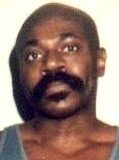
| Legal Identity | Ernest Martin |
| Confirmed Victims | 1 |
| Attributed / Indicted Victims | 1 |
| Active Timeline | 1982-1983 |
| Jurisdiction / Area of Operations | Cleveland, Ohio, USA |
| Criminological Classification | Robbery-Homicide |
| Forensic Modus Operandi | Use of a decoy to force door opening and shooting through physical barriers |
| Weapon / Mechanism of Death | .38 Smith & Wesson revolver (stolen) |
| Motive / Behavioral Dynamics | Economic / Common criminality |
| Judicial Outcome | Death penalty via lethal injection |
1. Background and Psychopathy
Ernest Martin was born on September 22, 1960. His criminal history included prior offenses before the 1983 murder. During his nearly 20 years on death row, he became a self-taught legal researcher and author, writing a 235-page autobiography. He maintained a Christian faith throughout his incarceration.
2. Crime Spree
On December 20, 1982, Martin robbed security guard Ernel Foster of his .38 caliber revolver. On January 21, 1983, he targeted Robert Robinson's drug store. Martin coerced his girlfriend, Josephine Pedro, to act as a decoy. When Robinson opened the door for Pedro, Martin fired two shots through the glass door, killing the 70-year-old owner. He stole less than $40 from the register.
3. Investigation and Arrest
Police arrested Martin and Pedro on January 29, 1983. Pedro eventually testified against Martin, detailing the planning of the robbery. Security guard Ernel Foster positively identified Martin in a lineup. Despite Martin's claims of innocence and allegations of perjury by witnesses, the prosecution's case was bolstered by ballistics evidence and witness testimony.
4. Legal Proceedings and Outcome
Martin was convicted of aggravated murder and aggravated robbery on July 8, 1983. He spent nearly two decades appealing his sentence, citing ineffective assistance of counsel. His final appeals, including a claim of mental retardation, were rejected by the U.S. Supreme Court.
5. Final Statement and Execution
Ernest Martin was executed by lethal injection on June 18, 2003, at the Southern Ohio Correctional Facility. In his final statement, he compared his plight to that of Jesus Christ, claiming he was the victim of false testimony. He expressed no hatred and thanked God for his life.