



Forensic & Criminological Matrix
| Parameter | Forensic Detail |
|---|---|
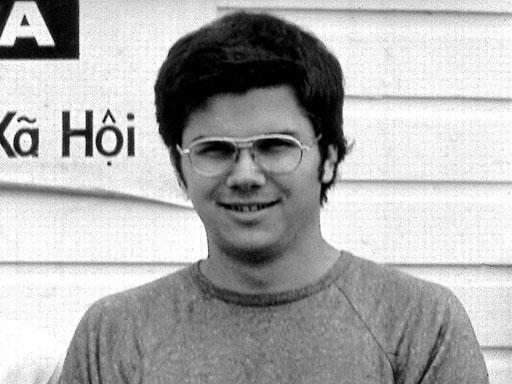
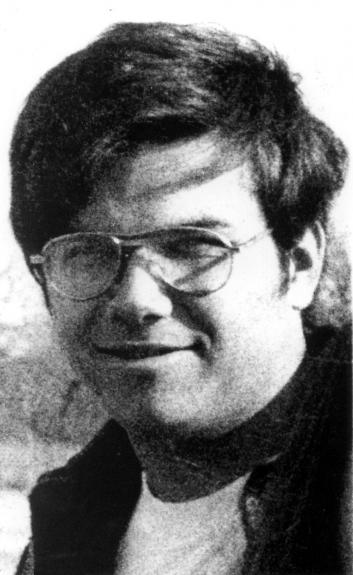
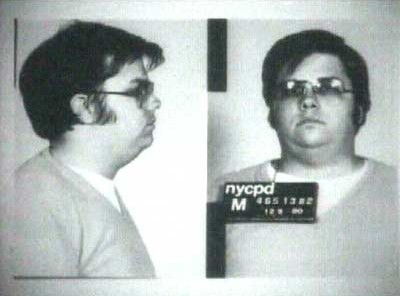
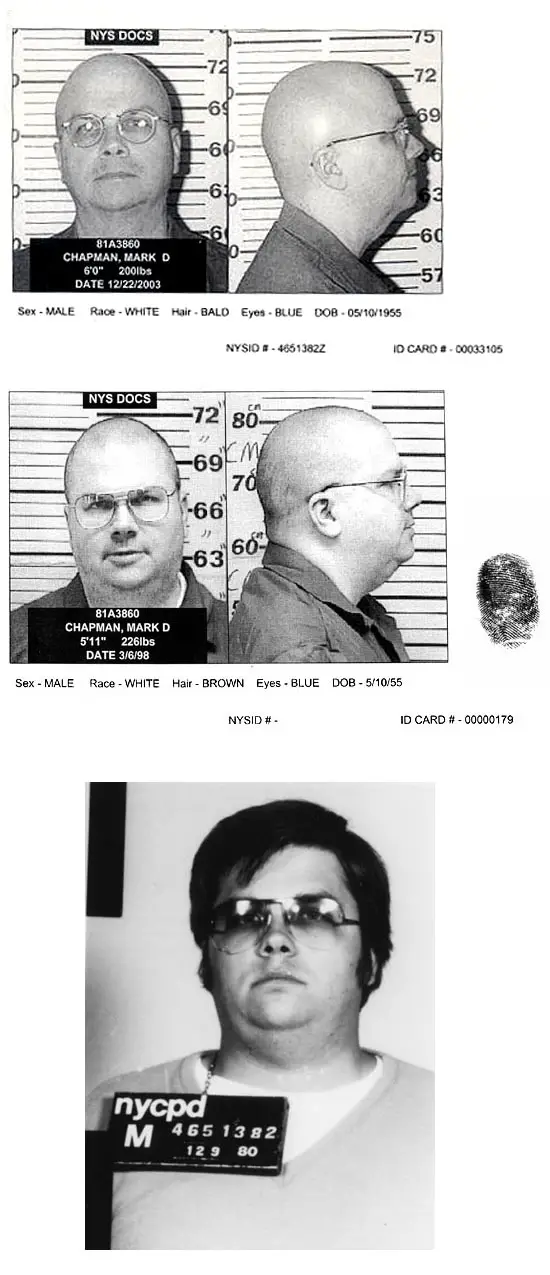
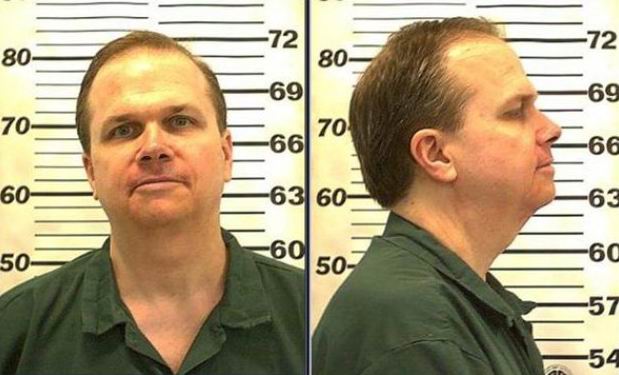
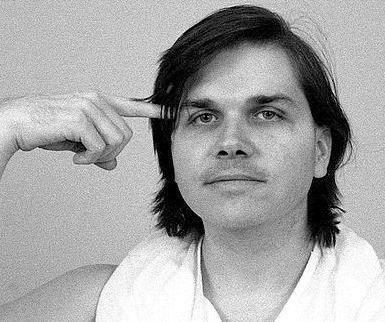
| Full Legal Name | Mark David Chapman |
| Media Moniker | The Man Who Shot John Lennon |
| Nationality | American |
| Date of Birth | May 10, 1955, Fort Worth, Texas, United States |
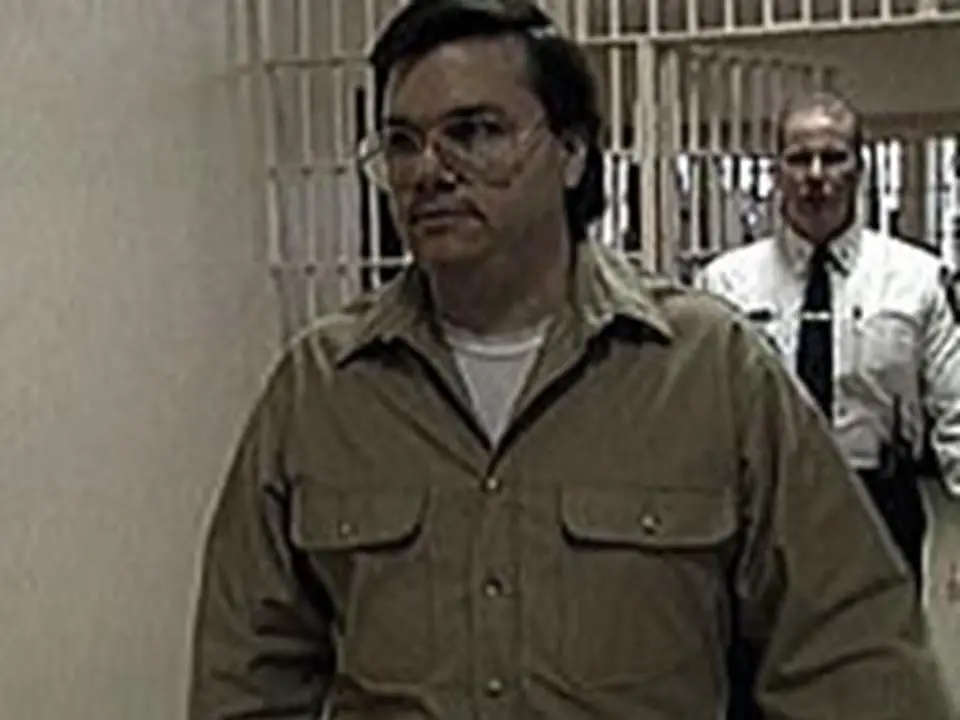
| Current Penal Status | Sentenced to 20 years to life for second-degree murder; incarcerated at Green Haven Correctional Facility, New York (parole denied in more than a dozen consecutive hearings) |
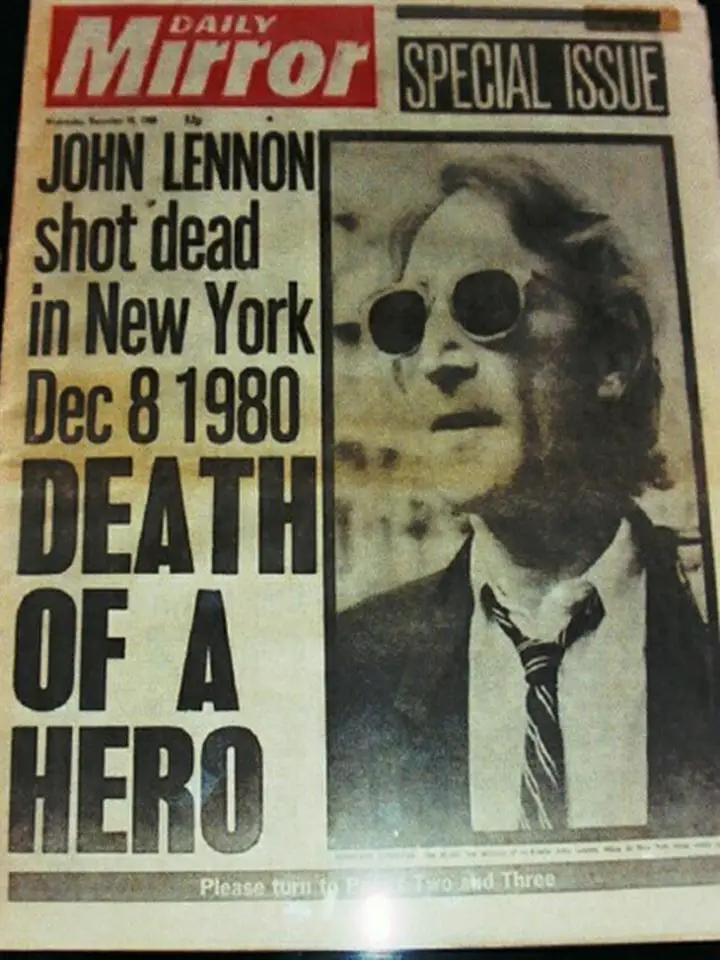
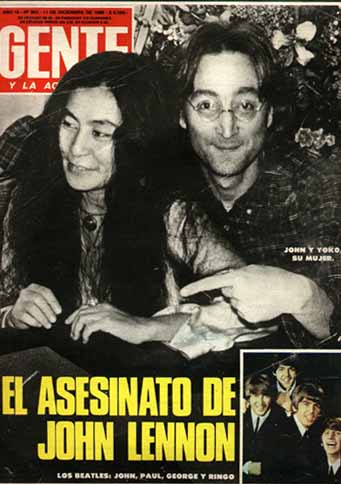
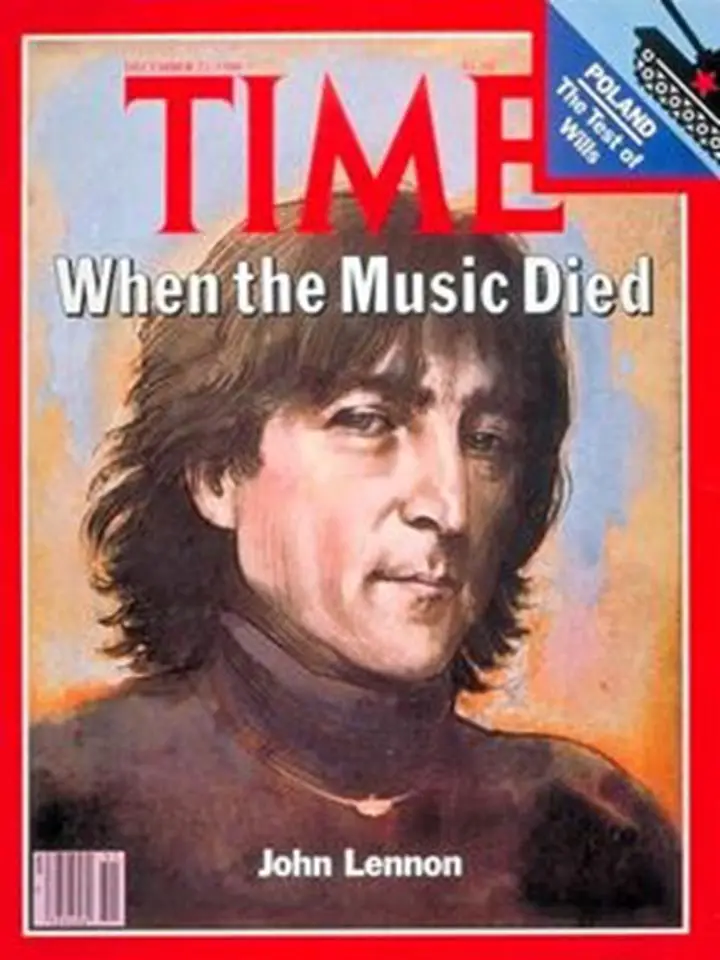
| Confirmed Murder Victims | 1 (John Winston Ono Lennon, cultural icon, composer, and founding member of The Beatles) |
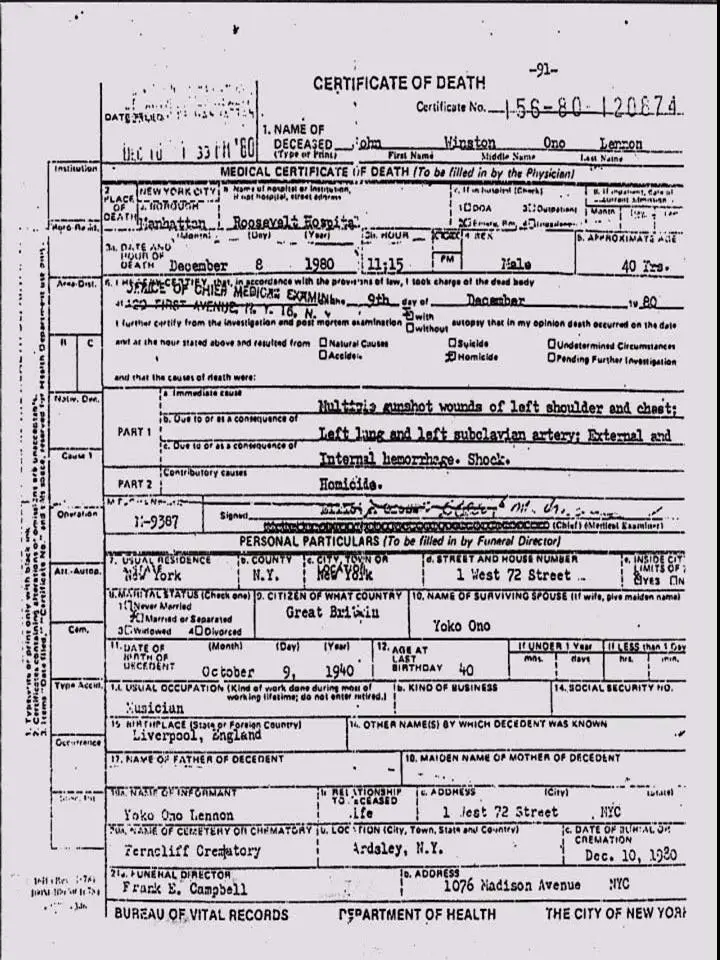
| Date of Assassination | December 8, 1980 (22:50 EST) |
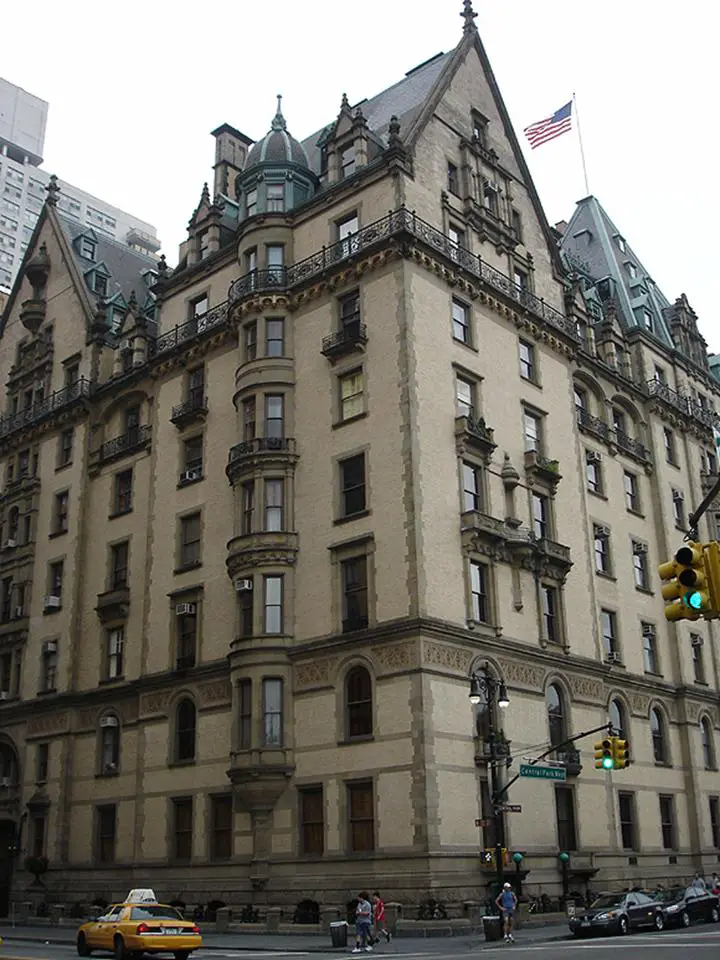
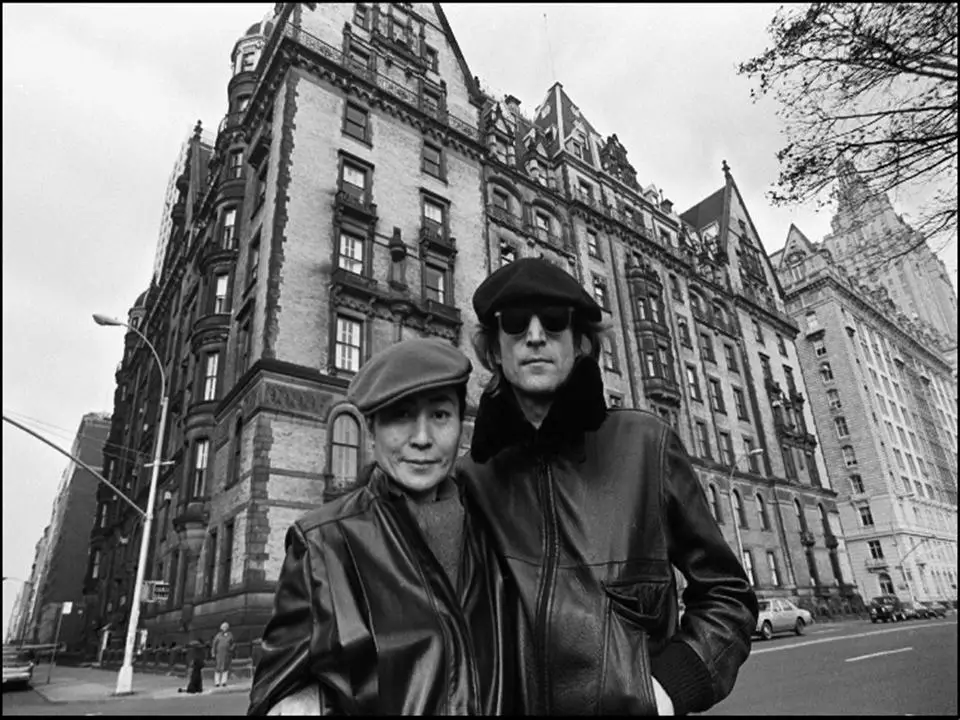
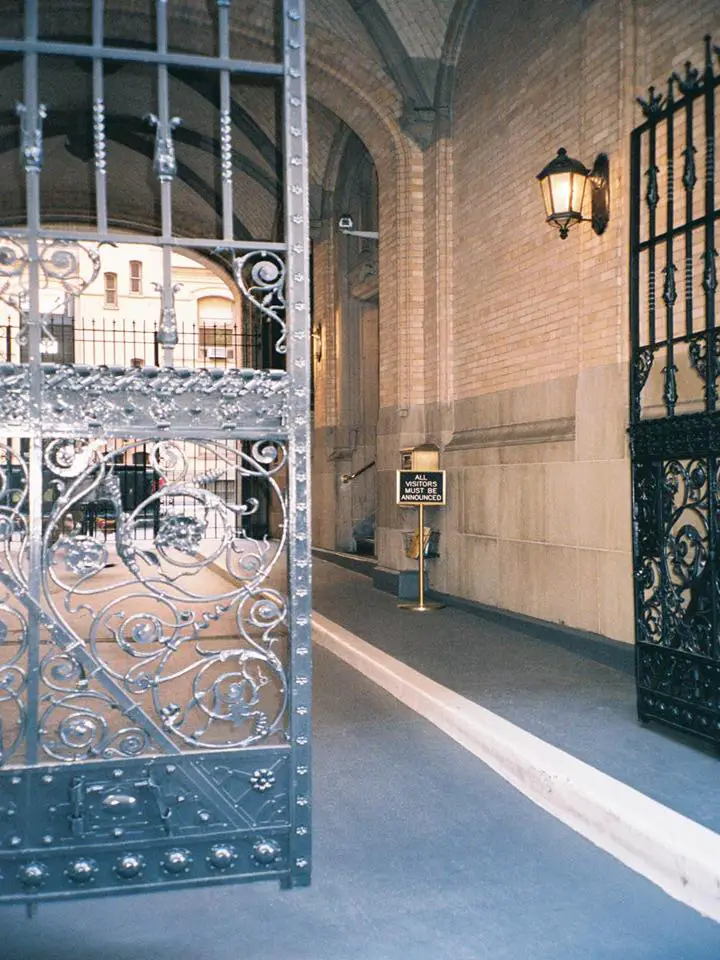
| Geographic Jurisdiction | Archway entrance of The Dakota apartment building, 72nd Street and Central Park West, Manhattan, New York City |
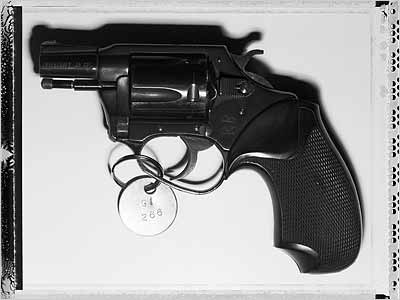
| Weaponry & Ammunition | Charter Arms Undercover .38 Special five-shot revolver loaded with .38 hollow-point expanding lead cartridges |
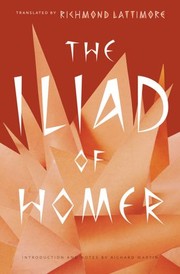
| Forensic Fetish Item | Paperback copy of J. D. Salinger's novel The Catcher in the Rye, inscribed: "This is my statement" |
| Diagnosed Criminal Motive | Pathological narcissistic injury, schizotypal personality disorder, compulsive quest for global infamy via celebrity regicide, and delusional obsession with authenticity vs. "phoniness" |
1. Criminological Trajectory and Psychopathology
Mark David Chapman perpetrated the most culturally seismic celebrity assassination of the 20th century by murdering ex-Beatle John Lennon. Raised in suburban Georgia by a detached, volatile father, Chapman experienced chronic adolescent alienation, clinical depression, suicide attempts, and an intense juvenile hero-worship of The Beatles.
In the mid-1970s, after embracing born-again Christian fundamentalism, Chapman's fragile ego collapsed into severe identity disturbance. He developed an obsessive delusion surrounding Holden Caulfield, the alienated protagonist of J. D. Salinger's The Catcher in the Rye, internalizing a sacred personal mission to eradicate societal "phonies."
Upon reading biographical accounts exposing Lennon's immense wealth, multiple Dakota apartments, and luxury yachts, Chapman's envy catalyzed into homicidal rage: he viewed Lennon as the ultimate hypocrite for preaching socialist idealism in Imagine while basking in Manhattan opulence.
2. Premeditation and Stalking at The Dakota
In late 1980, residing in Honolulu, Hawaii, Chapman purchased a Charter Arms .38 Special snub-nosed revolver and hollow-point ammunition:
- He traveled to New York repeatedly in late autumn 1980, staking out The Dakota and tracking Lennon's movements.
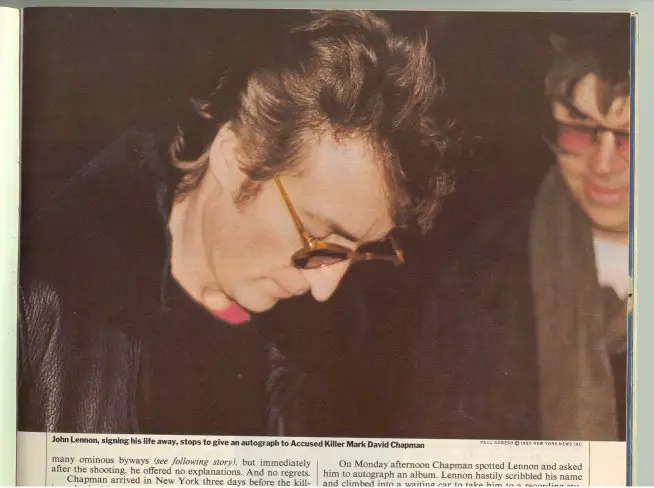
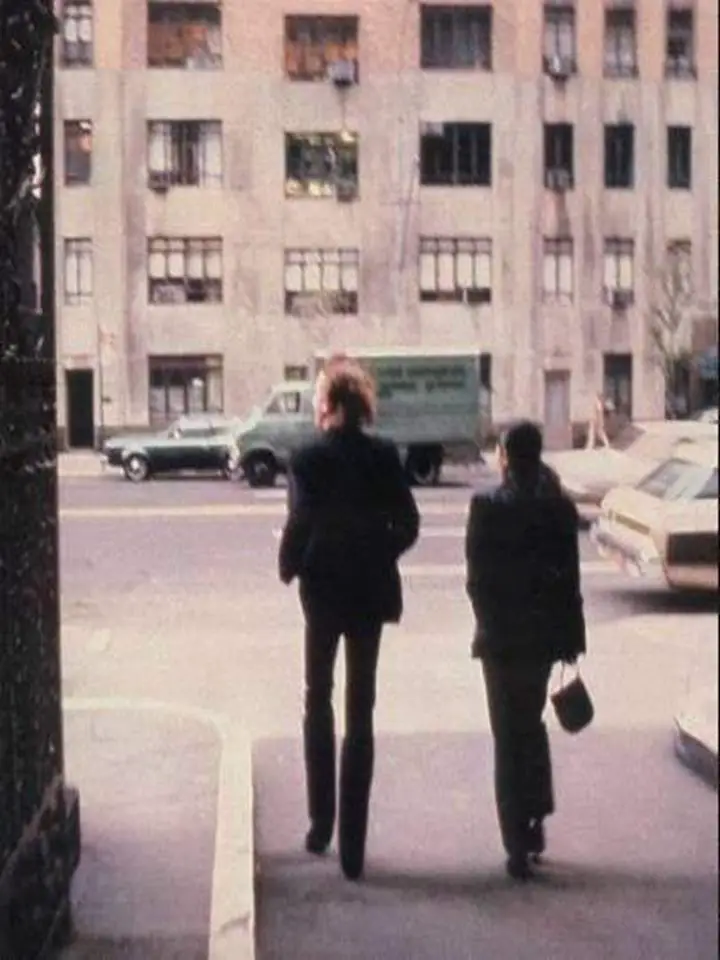
- On the afternoon of December 8, 1980, as Lennon and Yoko Ono departed for the Record Plant recording studio, Chapman approached Lennon with a copy of his new album Double Fantasy. Lennon graciously autographed the vinyl sleeve, warmly asking: "Is this all you want?" (a historic interaction captured on film by amateur photographer Paul Goresh).
3. The Ambush of December 8, 1980
Chapman waited outside the building entrance for over four hours in the winter cold:
- At 22:50, the couple's limousine arrived. As Lennon walked through the archway into the interior courtyard, Chapman allowed Yoko Ono to pass ahead.
- Stepping forward into a combat shooter's stance, Chapman called out: "Mr. Lennon!"
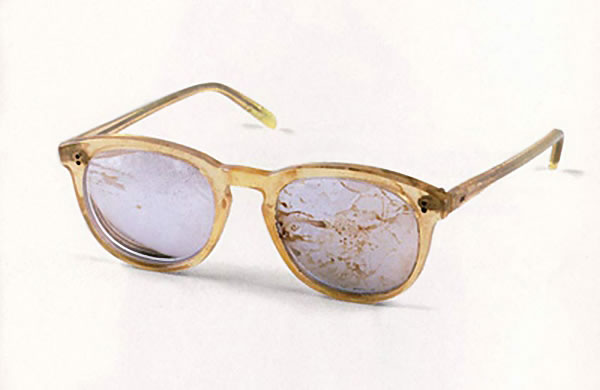
- Without pause, he discharged five hollow-point rounds in rapid succession. Four bullets struck Lennon in the back and left shoulder, severing the aorta and destroying lung tissue.
- Lennon staggered up into the security vestibule, collapsing on the floor in a catastrophic hemorrhage.
- Chapman made no attempt to flee: he calmly removed his overcoat, extracted his paperback copy of The Catcher in the Rye, and began reading under the entrance lantern.
When building doorman José Perdomo shook the smoking gun from his hand and wept, "Do you know what you've done?", Chapman replied serenely: "Yes, I just shot John Lennon."
4. Arraignment, Plea, and Sentencing
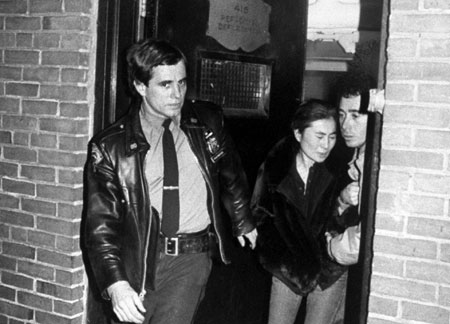
Lennon was rushed in an NYPD patrol car to Roosevelt Hospital, where trauma surgeons pronounced him dead at 23:15 due to irreversible hypovolemic shock.
While defense attorneys prepared an insanity plea based on schizotypal delusions, Chapman abruptly halted proceedings in June 1981, insisting that God had commanded him to plead guilty to second-degree murder.
On August 24, 1981, Justice Dennis Edwards sentenced Chapman to 20 years to life imprisonment, mandating continued psychiatric oversight.
5. Incarceration and Parole Denials
Transferred from Attica to Green Haven Correctional Facility, Chapman has appeared before the New York State Parole Board biennially since 2000.
The board has unanimously denied parole at every hearing, citing the premeditated nature of the crime, Chapman's pursuit of notoriety at the expense of human life, and persistent formal petitions from Yoko Ono warning that his release poses grave security hazards to surviving family members and invites violent vigilante retribution.