


| Parameter | Forensic Detail |
|---|---|
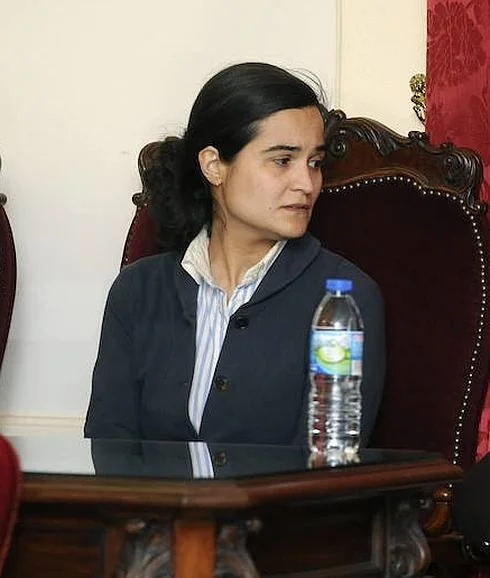
| Full Name | Maria Ascension Martinez Cabrera |
| Alias | The Ondara Parricide |
| Date of Incident | October 22, 1986 |
| Location | Ondara, Alicante province, Spain |
| Criminological Classification | Domestic homicide / Reaction to prolonged intimate partner violence |
| Confirmed Victims | 1 fatal victim (Alejandro Herrera Romera, aged 38) |
| Weapon / Method | Edged weapon (kitchen knife) |
| Judicial Sentence | Sentenced to 6 years and 1 day of imprisonment by Alicante Provincial Court |
| Current Status | Sentence served; fully released in February 1990 |
Case Summary and Criminological Context
On October 22, 1986, in the town of Ondara (Alicante, Spain), 36-year-old Maria Ascension Martinez Cabrera fatally stabbed her husband, Alejandro Herrera Romera (aged 38), in the chest during a violent domestic confrontation. The incident became a nationwide cause célèbre in Spain during the 1980s, marking a key sociological and legal debate surrounding the penal system's response to chronic domestic violence prior to modern legal reforms.
Criminological Background
Court records and forensic witness testimony established that the household had endured years of severe domestic abuse. Alejandro Herrera had extensive criminal records for violent offenses, substance abuse, and habitual physical assaults against Martinez Cabrera and their children.
During the fatal encounter, following repeated threats and physical aggression, Martinez Cabrera grabbed a kitchen knife and inflicted a single lethal wound.
Public Mobilization and Community Support
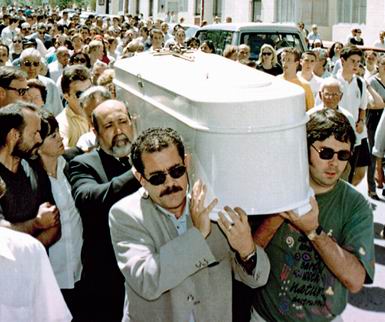
Immediately following her arrest, the entire town of Ondara organized historic public demonstrations in her defense. Town residents raised the 500,000-peseta bail through grassroots community donations, securing her provisional release in April 1987. The case was heavily reported by renowned Spanish forensic journalist Margarita Landi.
Trial and Verdict
On December 28, 1987, the Provincial Court of Alicante found Martinez Cabrera guilty of parricide, but applied substantial mitigating factors: severe psychological provocation, duress, and state of shock resulting from chronic abuse. She received a reduced sentence of 6 years and 1 day of imprisonment. On February 5, 1990, she was officially granted release after serving her sentence with statutory penal remissions.