Forensic & Criminological Matrix
| Parameter | Forensic Detail |
|---|---|
| Forensic Heading / Aliases | None |
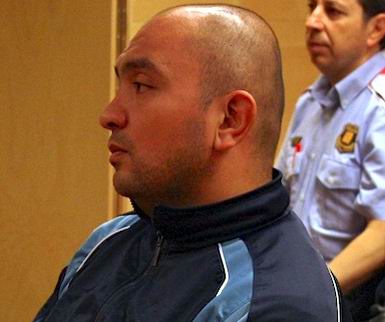
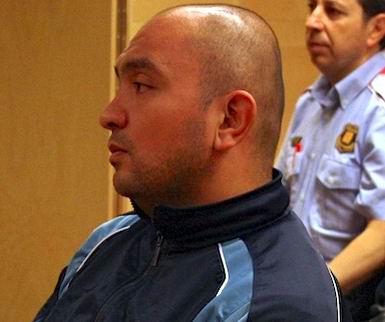
| Legal Identity | Marcelo Ruiz Ospina |
| Confirmed Victims | 1 |
| Attributed / Indicted Victims | 1 |
| Active Timeline | November 10, 2011 |
| Jurisdiction / Area of Operations | Girona, Spain |
| Criminological Classification | Filicide / Homicide with alleged psychotic episode |
| Forensic Modus Operandi | Decapitation with a kitchen knife |
| Weapon / Mechanism of Death | Kitchen knife |
| Motive / Behavioral Dynamics | Delusions of demonic possession and socioeconomic frustration |
| Judicial Outcome | Sentenced to 19 years in prison for murder |
1. Background and Profile
Marcelo Ruiz Ospina, a 34-year-old Colombian national residing in Girona, Spain, had been struggling with long-term unemployment, gambling addiction, and alcohol consumption. These stressors, according to his defense, contributed to a mental decline characterized by auditory hallucinations and religious delusions.
2. Crime Spree
On November 10, 2011, at his residence on Oviedo Street, Ruiz Ospina decapitated his 18-month-old daughter, Melanie. He claimed that he was acting under the command of Satan, describing the act as a "satanic sacrifice." His older daughter, aged 8, was present in the home during the incident but remained unharmed.
3. Investigation and Arrest
Ruiz Ospina surrendered himself by calling the 112 emergency line immediately after the crime. Police officers discovered the victim's body and the weapon used. A note was also recovered from the perpetrator's computer, in which he expressed resentment toward his wife regarding their financial situation.
4. Legal Proceedings and Outcome
During the trial at the Girona Provincial Court, the defense argued for diminished capacity due to a psychotic episode. However, forensic psychiatrists testified that the defendant did not suffer from a severe mental disorder. In December 2013, he was sentenced to 19 years in prison for murder, with the court applying an aggravating factor of kinship and a mitigating factor for his confession.