Forensic & Criminological Matrix
| Parameter | Forensic Detail |
|---|---|
| Forensic Heading / Aliases | None |
| Legal Identity | Thomas William Manning |
| Confirmed Victims | 1 |
| Attributed / Indicted Victims | 1 |
| Active Timeline | 1970-1985 |
| Jurisdiction / Area of Operations | United States (New Jersey, Maine, Massachusetts) |
| Criminological Classification | Terrorist / Cop Killer |
| Forensic Modus Operandi | Armed confrontation and explosive devices |
| Weapon / Mechanism of Death | 9 mm Handgun |
| Motive / Behavioral Dynamics | Radical political ideology |
| Judicial Outcome | Life imprisonment and concurrent sentences |
1. Background and Profile
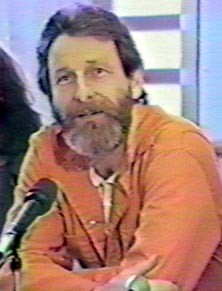
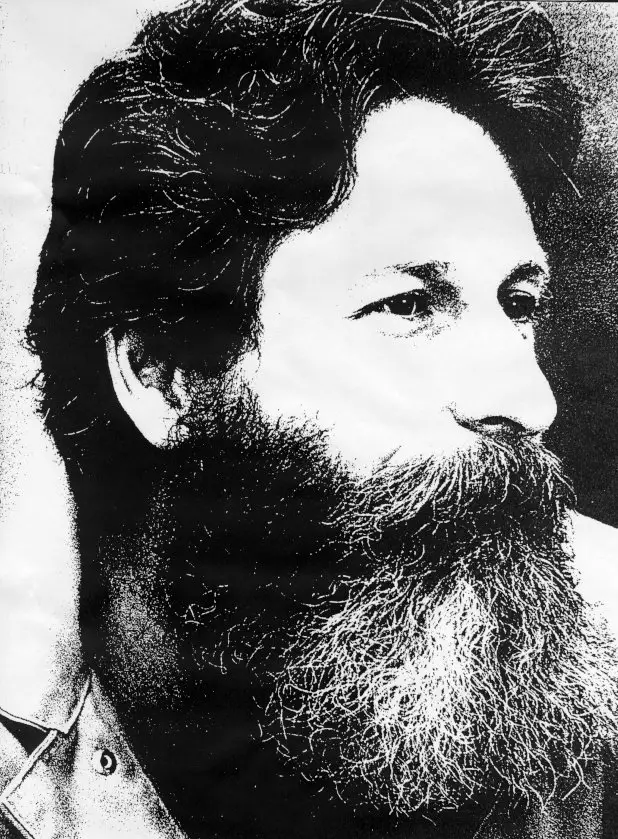
Thomas William Manning was born in Boston to a working-class Irish family. After serving in the U.S. military in Cuba and Vietnam, he was imprisoned for armed robbery. During his incarceration, he became deeply politicized, adopting radical leftist views. Upon his release in 1971, he moved to New England, where he became involved in clandestine militant activities.
2. Crime Spree
Manning was a key figure in the United Freedom Front (UFF). On December 21, 1981, he shot and killed New Jersey State Trooper Philip Lamonaco during a traffic stop on I-80. The group was also responsible for a series of bombings targeting U.S. military and corporate facilities, which they characterized as armed propaganda.
3. Investigation and Arrest
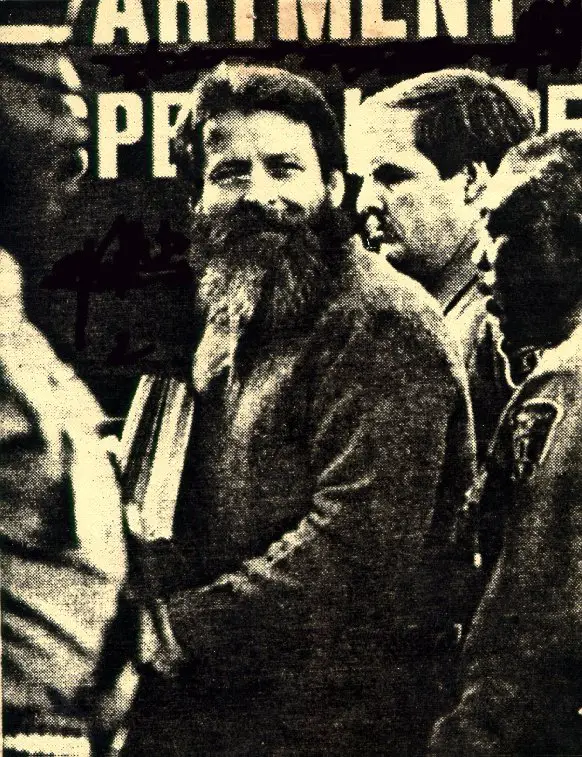
The murder of Trooper Lamonaco led to an extensive manhunt. Following the arrests of several UFF members in 1984, Manning and his wife were apprehended on April 24, 1985.
4. Legal Proceedings and Outcome
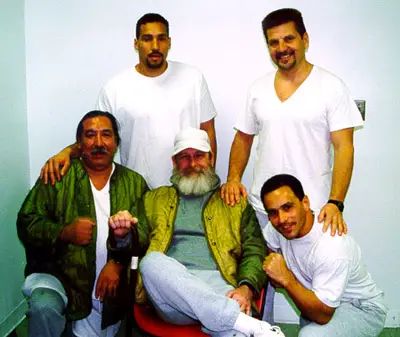
At trial, Manning claimed self-defense, a claim rejected by the court. He received an 80-year sentence for the murder of the trooper and a 58-year federal sentence for his role in the bombings. He spent decades in high-security federal facilities, including ADX Florence, before his death in 2019.