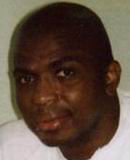
Forensic & Criminological Matrix
| Parameter | Forensic Detail |
|---|---|
| Forensic Heading / Aliases | Chucky |
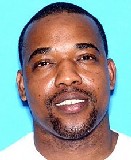
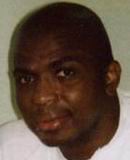
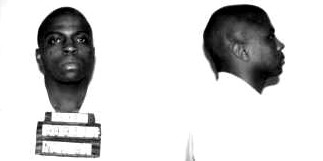
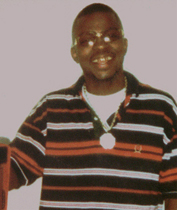
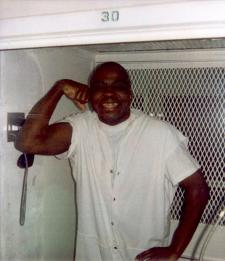
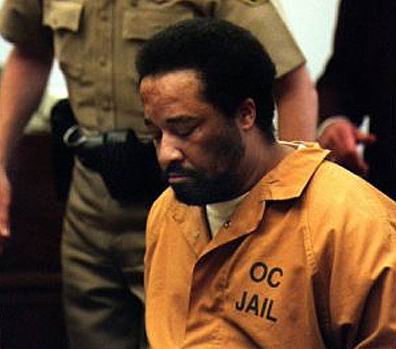
| Legal Identity | Charles H. Mamou Jr. |
| Confirmed Victims | 2 |
| Attributed / Indicted Victims | 3 |
| Active Timeline | 1998 |
| Jurisdiction / Area of Operations | Houston, Texas, USA |
| Criminological Classification | Murderer, drug dealer |
| Forensic Modus Operandi | Armed execution during drug deals, kidnapping, and sexual assault |
| Weapon / Mechanism of Death | Firearm |
| Motive / Behavioral Dynamics | Criminal control and profit |
| Judicial Outcome | Sentenced to death (1999) |
1. Background and Profile
Charles H. Mamou Jr. was born on December 6, 1974, in Lafayette, Louisiana. Prior to his arrest, he worked as a laborer and was deeply involved in the drug trade in Houston, Texas. Despite having no prior prison record, prosecutors characterized him as a "vicious, ruthless, and cold-blooded" individual.
2. Crime Spree
On December 7, 1998, Mamou was involved in a botched drug deal near the Astrodome in Houston. He opened fire on a group, killing Terrance Gibson and wounding two others. He then abducted 17-year-old Mary Carmouche, forcing her to perform sexual acts before executing her in an abandoned house. Her body was discovered two days later.
3. Investigation and Arrest
The Houston Police Department conducted the investigation, relying on forensic ballistics and eyewitness testimony from the survivors of the initial shootout. Mamou was also investigated for the September 5, 1998, murder of Anthony Williams, though he was never formally charged for that specific crime.
4. Legal Proceedings and Outcome
In the Harris County court, presided over by Judge Mike Wilkinson, Mamou was convicted of capital murder. Defense attorneys Wayne Hill and Kurt Wentz argued that Mamou was a victim of the drug underworld, but prosecutor Claire Connors successfully argued for the death penalty, which was imposed on November 17, 1999.
5. Forensic Conclusion
Charles Mamou Jr. remains incarcerated within the Texas Department of Criminal Justice system. His case remains a significant example of the intersection between drug-related violence and capital crimes in late 1990s Houston.