

Forensic & Criminological Matrix
| Parameter | Forensic Detail |
|---|---|
| Forensic Heading / Aliases | Toribio, The Galician Musolino |
| Legal Identity | Mamed Casanova Toribio |
| Confirmed Victims | 1 |
| Attributed / Indicted Victims | 1 |
| Active Timeline | 1897-1903 |
| Jurisdiction / Area of Operations | Grañas do Sor, Mañón, A Coruña |
| Criminological Classification | Bandit / Recidivist criminal |
| Forensic Modus Operandi | Armed robbery, breaking and entering, use of firearms |
| Weapon / Mechanism of Death | Revolver and carbine |
| Motive / Behavioral Dynamics | Greed and social resentment |
| Judicial Outcome | Sentenced to death (1903), commuted to life imprisonment (1904) |
1. Background and Profile
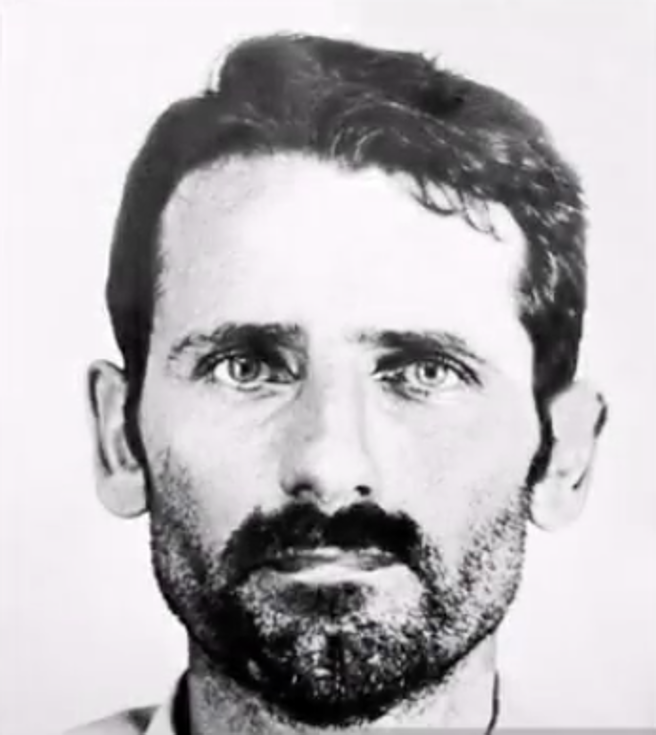
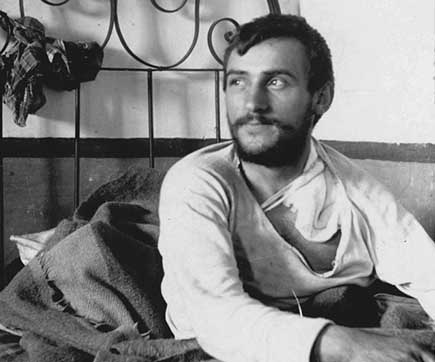
Mamed Casanova, known as 'Toribio', was born on February 15, 1882, in Grañas do Sor. His criminal profile emerged from a rural environment characterized by poverty. From a young age, he displayed a propensity for delinquency, starting with petty theft and evolving into banditry. His physical strength and autodidactic reading habits created a complex personality that fascinated intellectuals of his time, including Valle-Inclán.
2. Crime Spree
The central crime occurred on November 23, 1900, at the rectory of Grañas do Sor. Following a planned assault with accomplices, Manuela Domínguez, the parish priest's servant, was murdered by a gunshot to the heart. His modus operandi involved the use of firearms, breaching walls, and meticulous planning that demonstrated unusual audacity.
3. Investigation and Arrest
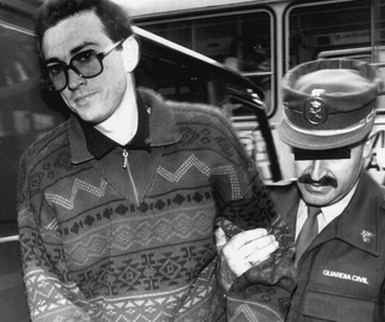
The investigation was hindered by a network of complicity and the fear Toribio instilled in the region. He was arrested multiple times, notably executing spectacular escapes from the Ortigueira prison, where he assaulted guards. His ability to evade the Civil Guard turned him into a legendary figure.
4. Legal Proceedings and Outcome
The final trial took place in December 1903 in A Coruña. Despite his attempts to deny the charges, he was sentenced to death for the robbery and homicide at the rectory. His mother's intervention before King Alfonso XIII in 1904 successfully commuted the death sentence to life imprisonment.
5. Psychiatric Assessment and Final Years
During his incarceration, Toribio showed signs of instability, being diagnosed in 1911 with 'keromania'. After serving his sentence, he was released in the 1920s. He returned to his native village in 1932, living his final years in anonymity, with his death occurring between 1932 and 1946.