Forensic & Criminological Matrix
| Parameter | Forensic Detail |
|---|---|
| Forensic Heading / Aliases | N/A |
| Legal Identity | Luigi Lucheni |
| Confirmed Victims | 1 |
| Attributed / Indicted Victims | 1 |
| Active Timeline | 1898 |
| Jurisdiction / Area of Operations | Geneva, Switzerland |
| Criminological Classification | Political Assassin / Anarchist |
| Forensic Modus Operandi | Surprise attack with improvised bladed weapon |
| Weapon / Mechanism of Death | Sharpened metal file |
| Motive / Behavioral Dynamics | Anarchist ideology / Notoriety seeking |
| Judicial Outcome | Life imprisonment (1898) / Suicide in prison (1910) |
1. Background and Profile
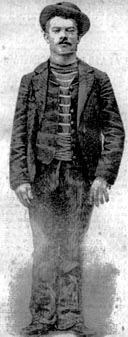
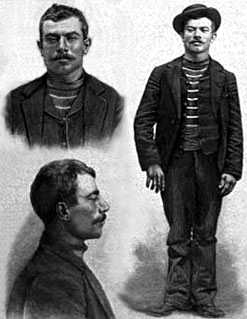
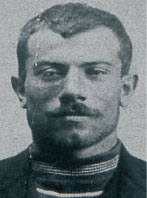
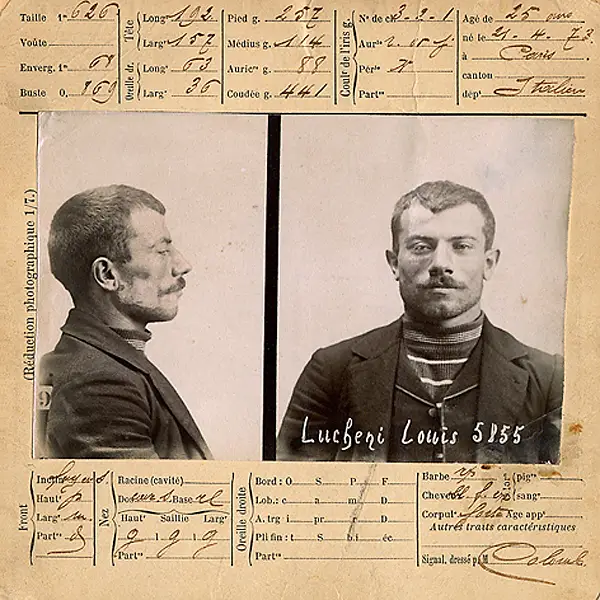
Luigi Lucheni was born in Paris on April 22, 1873. Raised in an orphanage, he served in the Italian Army for three and a half years before immigrating to Switzerland. There, he became involved in anarchist circles, though he was often dismissed by his peers as intellectually inept, earning the nickname "the stupid one."
2. Criminal Career and Modus Operandi
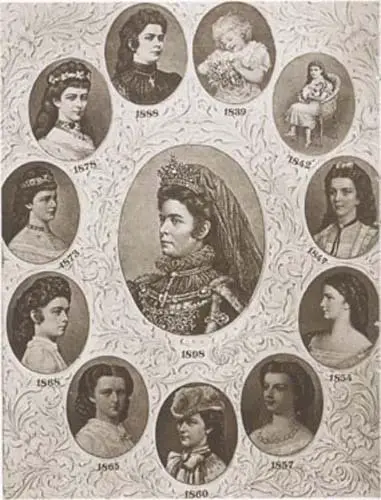
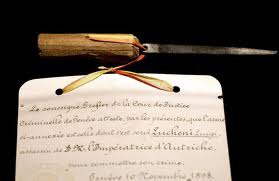
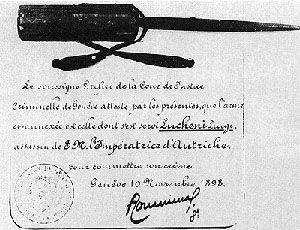
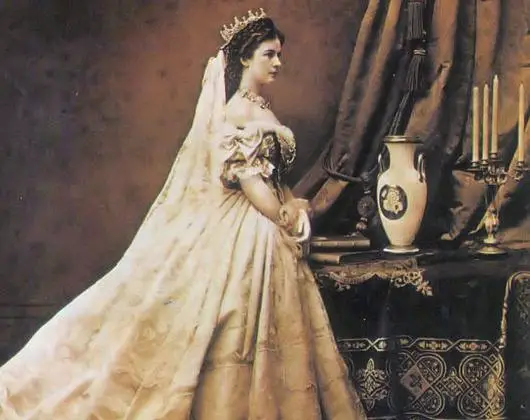
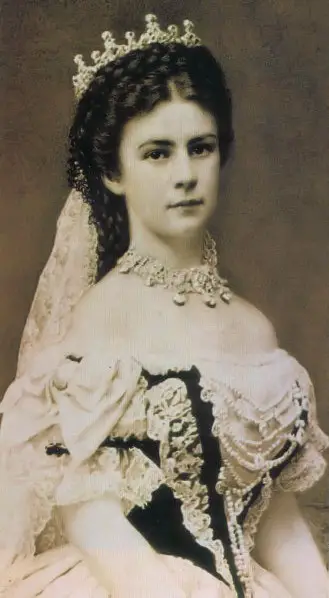
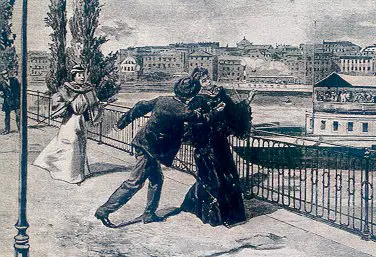
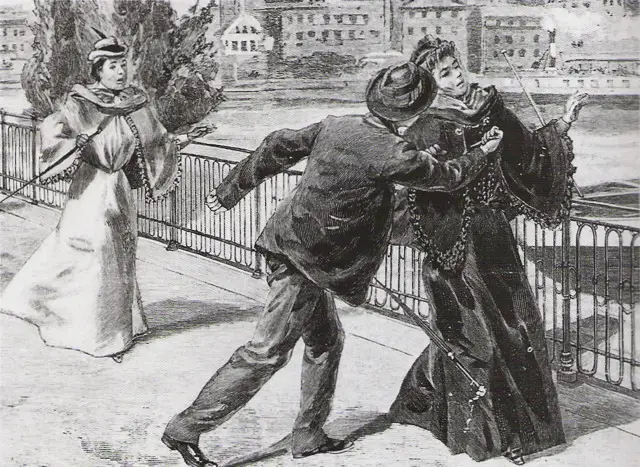
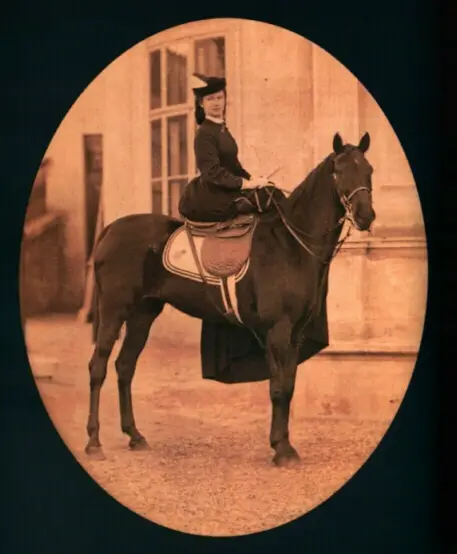
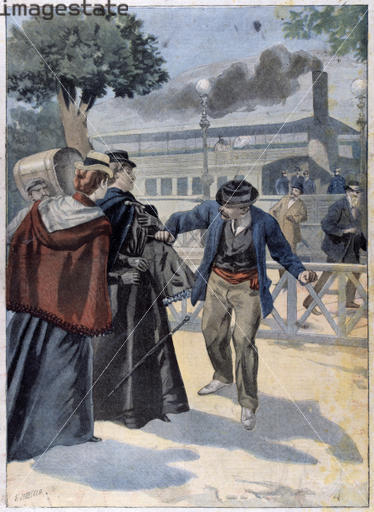
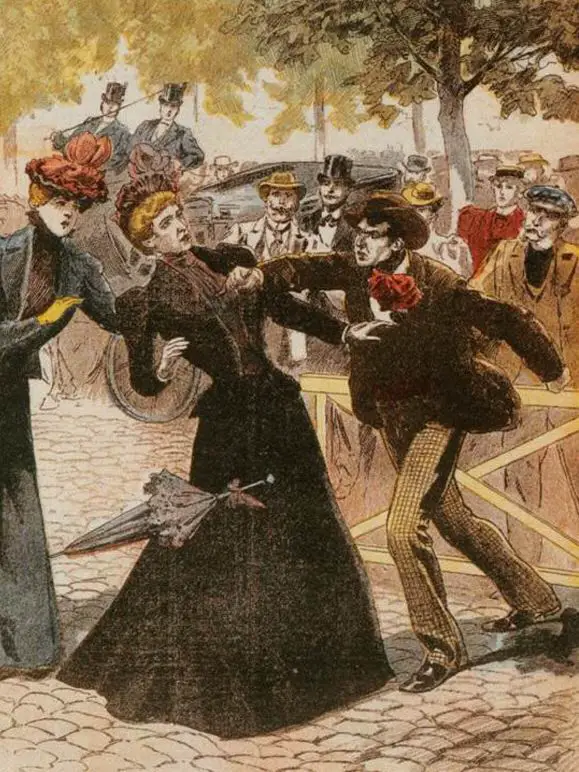
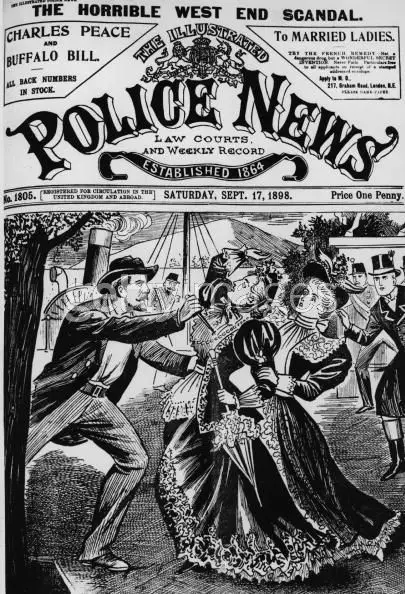
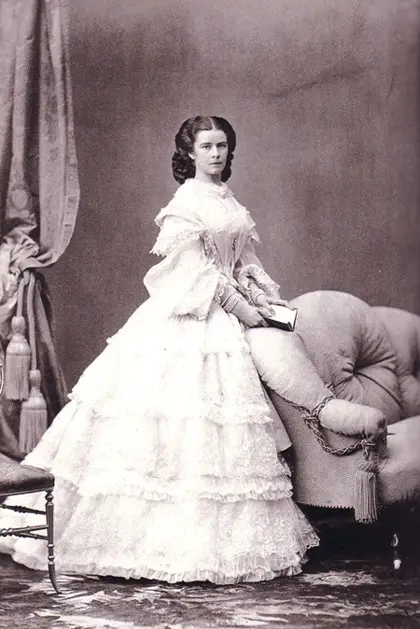
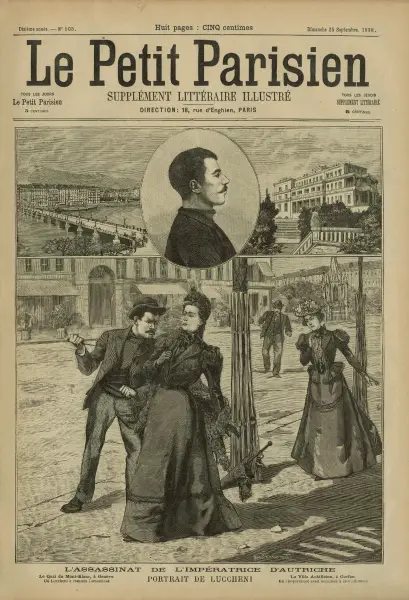
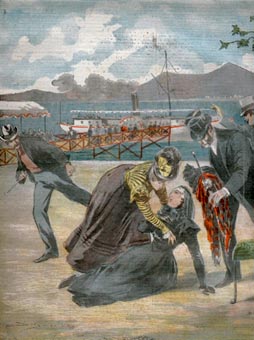
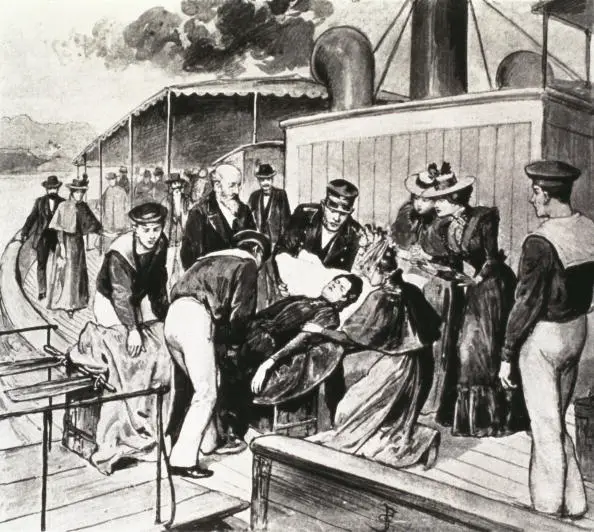
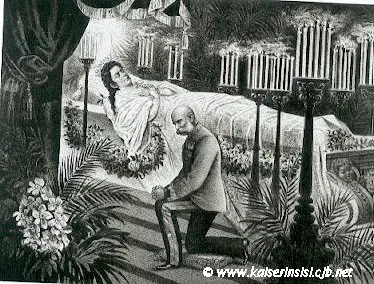
Lucheni was a proponent of "propaganda by the deed." He sought to assassinate a high-profile member of the ruling class to gain public attention. After failing to target the Duke of Orleans, he targeted Empress Elisabeth of Austria in Geneva. On September 10, 1898, he stabbed her with a sharpened needle file. The Empress initially continued her journey, unaware of the fatal nature of the wound, before collapsing on the steamship.
3. Investigation and Arrest
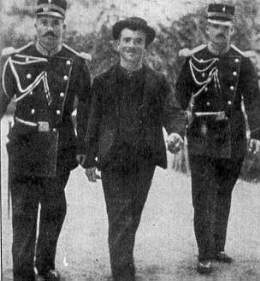
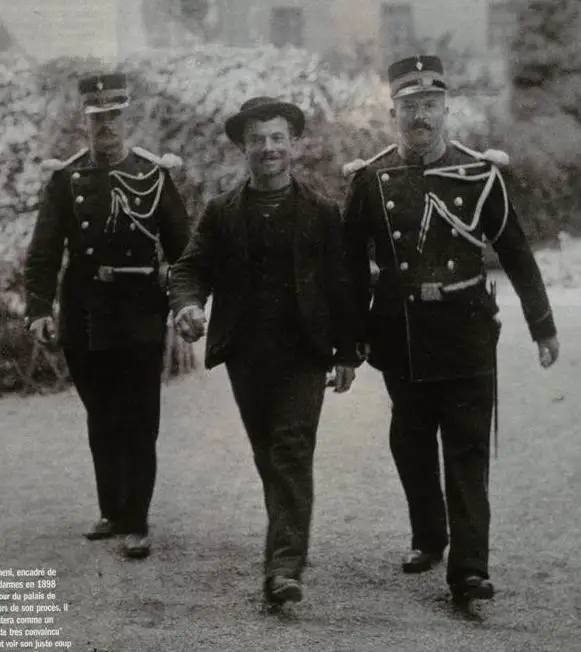
Lucheni was apprehended shortly after the attack. The investigation revealed a clear premeditated intent to kill a royal figure. The murder weapon, a sharpened file, was recovered and remains a significant forensic artifact in the Sisi Museum in Vienna.
4. Legal Proceedings and Outcome
At his trial, Lucheni admitted to the crime, citing his anarchist beliefs. He was sentenced to life imprisonment at age 25. The assassination led to the 1898 International Conference of Rome for the Social Defense Against Anarchists.
5. Psychiatric Assessment and Death
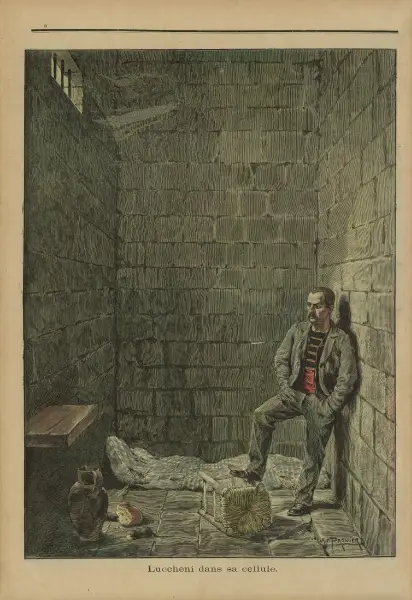
After his prison memoirs were confiscated, Lucheni was found dead in his cell on October 19, 1910. His death was ruled a suicide by hanging.