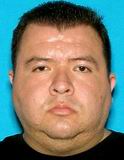
Forensic & Criminological Matrix
| Parameter | Forensic Detail |
|---|---|
| Forensic Heading / Aliases | Gang Lu |
| Legal Identity | Gang Lu (卢刚) |
| Confirmed Victims | 5 |
| Attributed / Indicted Victims | 6 |
| Active Timeline | November 1, 1991 |
| Jurisdiction / Area of Operations | Iowa City, Iowa, USA |
| Criminological Classification | Mass Murderer |
| Forensic Modus Operandi | Targeted execution with firearm in academic setting |
| Weapon / Mechanism of Death | .38 caliber revolver |
| Motive / Behavioral Dynamics | Academic frustration, professional jealousy, narcissism |
| Judicial Outcome | Perpetrator suicide at the scene |
1. Background and Psychopathy
Gang Lu was a brilliant but socially isolated doctoral student in physics and astronomy at the University of Iowa. His psychological decline was triggered by the denial of the D.C. Spriestersbach Dissertation Prize, which he believed was essential for his career. His inability to secure a postdoctoral fellowship, coupled with the success of his peer Linhua Shan, fueled a deep-seated resentment.
2. Crime Spree
On November 1, 1991, Lu initiated his attack at Van Allen Hall, killing professors Goertz, Nicholson, and Smith, along with fellow student Linhua Shan. He then moved to Jessup Hall, where he killed administrator T. Anne Cleary and critically wounded Miya Rodolfo-Sioson. Lu committed suicide as law enforcement arrived.
3. Investigation and Forensic Hunt
Investigators recovered five letters written by Lu, which served as a manifesto of his grievances. The letters confirmed the premeditated nature of the attacks and revealed that he had targeted specific individuals he felt had wronged him.
4. Legal Proceedings and Outcome
Due to the perpetrator's suicide, no criminal trial occurred. The case was officially closed by the Johnson County Attorney's office, confirming the motive and the sequence of events.