



Forensic & Criminological Matrix
| Parameter | Forensic Detail |
|---|---|
| Forensic Heading / Aliases | Harold Loughans |
| Legal Identity | Harold Loughans |
| Confirmed Victims | 1 |
| Attributed / Indicted Victims | 1 |
| Active Timeline | 1943 |
| Jurisdiction / Area of Operations | Portsmouth, United Kingdom |
| Criminological Classification | Habitual offender / Occasional murderer |
| Forensic Modus Operandi | Strangulation during robbery |
| Weapon / Mechanism of Death | Physical force (manual strangulation) |
| Motive / Behavioral Dynamics | Financial gain / Violent reaction |
| Judicial Outcome | Initially acquitted (1943); found guilty of murder in a civil libel trial (1962) |
1. Background and Profile
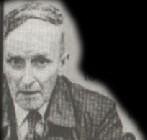
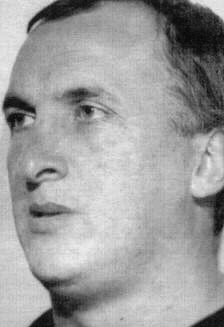
Harold Loughans was a career criminal in the United Kingdom, characterized by a lifelong pattern of recidivism. Throughout his 66 years, he accumulated 24 criminal convictions, spending approximately 23 years of his life incarcerated.
2. Crime Spree
In 1943, Loughans broke into the living quarters above the 'John Barleycorn' pub in Portsmouth. Upon being discovered by the owner, Rose Robinson, he strangled her to death. He later described the act as an impulsive reaction to her screaming while he was committing a robbery.
3. Investigation and Arrest
Loughans initially confessed to the murder while in police custody in London for an unrelated robbery. However, he later recanted, claiming his confession was a fabrication. He produced witnesses to support an alibi, claiming he was in a subway station during the Blitz on the night of the murder.
4. Legal Proceedings and Outcome
His first murder trial ended in an acquittal due to the conflicting evidence. Years later, after prosecutor Joshua David Casswell published memoirs asserting Loughans' guilt, Loughans sued the newspaper 'The People' for libel. The jury returned a verdict stating the newspaper was not guilty of libel because Loughans was, in fact, guilty of the murder. This verdict did not lead to a new criminal trial due to double jeopardy protections.
5. Psychiatric Assessment and Conclusion
Loughans spent his final days in a prison hospital, suffering from inoperable cancer, having never been officially punished for the murder of Rose Robinson by a criminal court, despite the civil jury's finding.