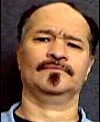
Forensic & Criminological Matrix
| Parameter | Forensic Detail |
|---|---|
| Forensic Heading / Aliases | None |
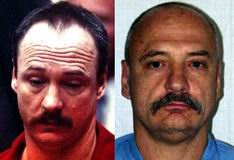
| Legal Identity | Ernest Noland Lotches |
| Confirmed Victims | 1 |
| Attributed / Indicted Victims | 1 |
| Active Timeline | August 22, 1992 |
| Jurisdiction / Area of Operations | Portland, Oregon |
| Criminological Classification | Public shooter / Fugitive |
| Forensic Modus Operandi | Firearm usage, carjacking, and armed confrontation |
| Weapon / Mechanism of Death | Handgun |
| Motive / Behavioral Dynamics | Evasion of law and potential paranoid disorder |
| Judicial Outcome | Death sentence (subject to appeals) |
1. Background and Profile
Ernest Noland Lotches (born August 2, 1954) possessed a significant criminal record prior to the 1992 incident, including 17 convictions for violent felonies such as armed robbery and escape. His psychological profile was a central point of contention during his trial, with defense experts suggesting paranoid schizophrenia, while the prosecution maintained he was a malingerer.
2. Crime Spree
On August 22, 1992, Lotches engaged in a violent spree in downtown Portland. After an unprovoked assault on a pedestrian, he was pursued by security guides. When confronted by William G. Hall, Lotches opened fire. He shot a bystander, Edwards, and fatally wounded Hall. Lotches then attempted to commandeer multiple vehicles, including one occupied by a grandmother and her grandson, before being apprehended by police.
3. Investigation and Arrest
Law enforcement utilized extensive witness testimony and forensic evidence to reconstruct the events. Lotches's blood-alcohol content was estimated at 0.17% at the time of the crimes. His arrest occurred after he was surrounded by police officers, at which point he surrendered his weapon.
4. Legal Proceedings and Outcome
Lotches was charged with ten counts, including aggravated murder. The trial was marked by complex legal debates regarding jury instructions and the necessity of unanimity in underlying felonies. While he received a death sentence, the case underwent significant appellate review regarding procedural errors.