




Forensic & Criminological Matrix
| Parameter | Forensic Detail |
|---|---|
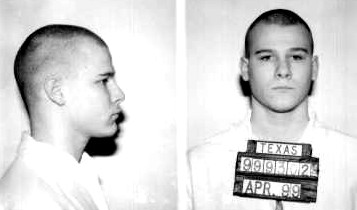
| Forensic Heading / Aliases | Li'l Crazy |
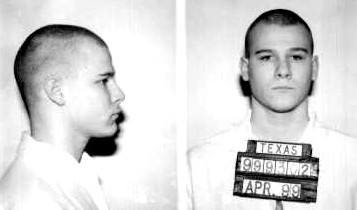
| Legal Identity | Leo Gordon Little III |
| Confirmed Victims | 1 |
| Attributed / Indicted Victims | 1 |
| Active Timeline | 1998 |
| Jurisdiction / Area of Operations | San Antonio, Texas |
| Criminological Classification | Juvenile Offender / Violent Criminal |
| Forensic Modus Operandi | Kidnapping, robbery, and summary execution |
| Weapon / Mechanism of Death | .25 caliber automatic pistol |
| Motive / Behavioral Dynamics | Status seeking, drug influence, and gang subculture |
| Judicial Outcome | Life imprisonment (commuted from death penalty) |
1. Background and Profile
Leo Gordon Little III was born in 1980. His upbringing was characterized by familial instability following his father's departure when he was 10. By age 13, school psychologists identified him as an explosive, depressed loner with emotional disturbances. Despite an average IQ of 91, he was placed in special education. His history of substance abuse and violent outbursts against family members marked his transition into criminal activity.
2. Criminal Career and Modus Operandi
On January 15, 1998, Little kidnapped Malachi Wurpts, forcing him to withdraw cash before abandoning him. On January 22, 1998, alongside accomplice José Zavala, he targeted Antonio Christopher Chavez. After kidnapping Chavez, they drove to a remote area on Old Sutherland Springs Road, where Little executed him with three shots to the head. The perpetrators then stole the victim's car and used his money to purchase new tires.
3. Investigation and Arrest
The investigation relied heavily on the testimony of survivor Malachi Wurpts and surveillance footage from local businesses. Little's own confession and physical evidence found in the victim's vehicle solidified the prosecution's case.
4. Legal Proceedings and Outcome
Little was tried in Bexar County. During the trial, his lack of remorse and "thug-punk" attitude were highlighted. He was sentenced to death in 1999, becoming a focal point in the national debate regarding the execution of juvenile offenders. His sentence was later commuted to life imprisonment following U.S. Supreme Court rulings on juvenile capital punishment.
5. Psychiatric Evaluation and Current Status
During his incarceration, Little has claimed a shift in mindset and a desire for reconciliation. He remains imprisoned in the Texas Department of Criminal Justice system.