Forensic & Criminological Matrix
| Parameter | Forensic Detail |
|---|---|
| Forensic Heading / Aliases | None |
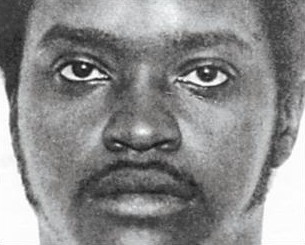
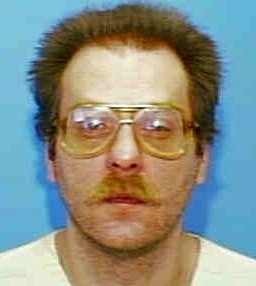
| Legal Identity | Michael Lindsay |
| Confirmed Victims | 1 |
| Attributed / Indicted Victims | 1 |
| Active Timeline | December 1981 |
| Jurisdiction / Area of Operations | Alabama, United States |
| Criminological Classification | Murderer (Robbery-Homicide) |
| Forensic Modus Operandi | Home invasion, victim restraint, and execution via stabbing and shooting |
| Weapon / Mechanism of Death | Knife and firearm |
| Motive / Behavioral Dynamics | Robbery and witness elimination |
| Judicial Outcome | Death penalty, executed in 1989 |
1. Background and Psychopathy
Michael Lindsay was convicted for the 1981 murder of Rosemary Rutland. He lived in the same neighborhood as the victim and was apprehended shortly after the crime while attempting to use the victim's stolen credit cards.
2. Crime Spree
Rosemary Rutland, a 63-year-old widow, was found murdered in her home. She had been gagged and bound before being stabbed and shot. The residence had been ransacked, and items belonging to the victim were later found in Lindsay's possession.
3. Investigation and Arrest
Police linked Lindsay to the crime through forensic evidence, including a palm print found on an air pump in the victim's bedroom. Testimony from a minor living in Lindsay's household confirmed he was driving the victim's car and carrying a pistol on the night of the murder.
4. Legal Proceedings and Outcome
After an initial mistrial, Lindsay was convicted of capital murder. Although the jury recommended life imprisonment, the judge imposed the death penalty. Subsequent federal habeas corpus petitions challenging the constitutionality of the trial and sentencing were denied.
5. Forensic Conclusion
The case was notable for the introduction of an unrecorded confession made to Officer Hubert Bell, in which Lindsay admitted to killing the victim to prevent her from identifying him as the burglar. Lindsay was executed in 1989.