Forensic & Criminological Matrix
| Parameter | Forensic Detail |
|---|---|
| Forensic Heading / Aliases | Lemonade Ley |
| Legal Identity | Thomas John Ley |
| Confirmed Victims | 1 |
| Attributed / Indicted Victims | 3 (Frederick McDonald, Hyman Goldstein, Keith Greedor) |
| Active Timeline | 1925-1946 |
| Jurisdiction / Area of Operations | Australia and United Kingdom |
| Criminological Classification | Suspected Serial Killer / Contract Killer |
| Forensic Modus Operandi | Manipulation, kidnapping, and strangulation |
| Weapon / Mechanism of Death | Strangulation and disposal in chalk pits |
| Motive / Behavioral Dynamics | Paranoia, power, and elimination of rivals |
| Judicial Outcome | Death sentence (commuted to criminal insanity) |
1. Background and Profile
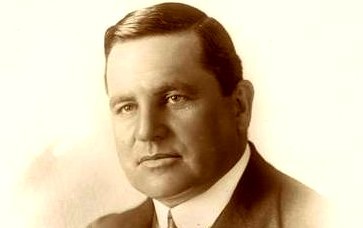
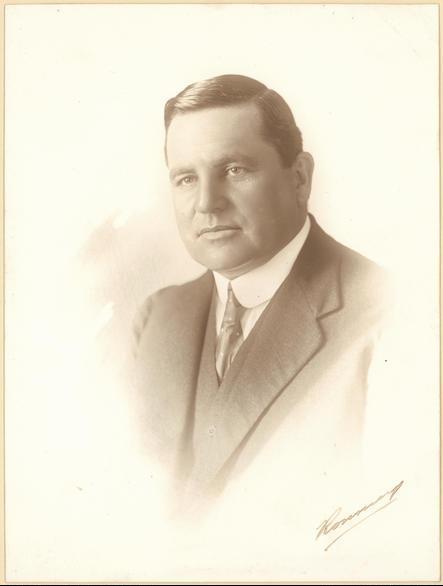
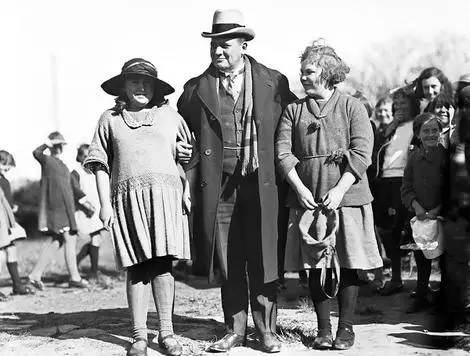
Born in Bath, England, in 1880, Thomas John Ley moved to Australia as a child. He became a powerful politician in New South Wales, serving as Minister for Justice. Despite his public image as a teetotaler, he was deeply involved in corrupt business practices and political manipulation.
2. Criminal Career and Modus Operandi
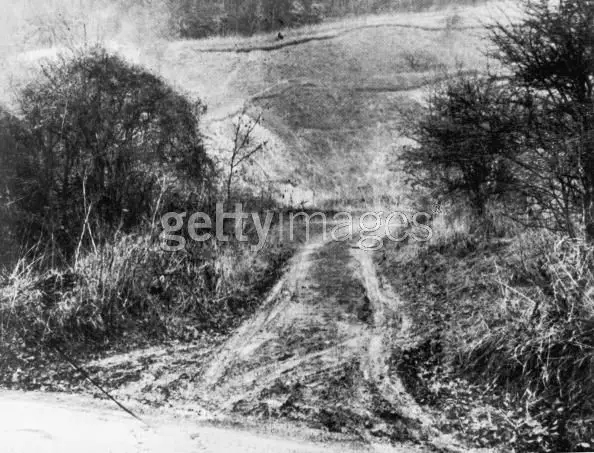
Ley's career in Australia was shadowed by the mysterious deaths of political opponents. After moving to London, he became obsessed with his mistress's supposed infidelity. He orchestrated the kidnapping and murder of John McMain Mudie, dumping his body in a Surrey chalk pit.
3. Investigation and Arrest
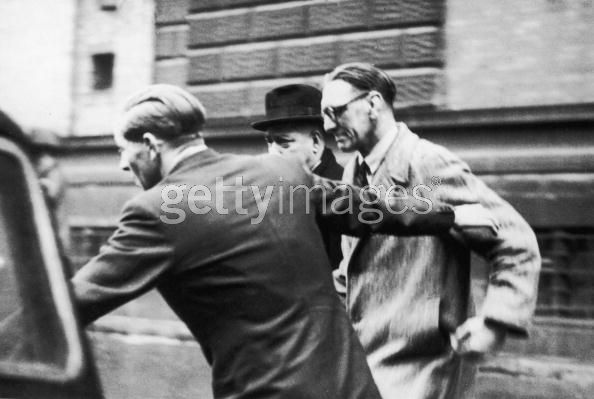
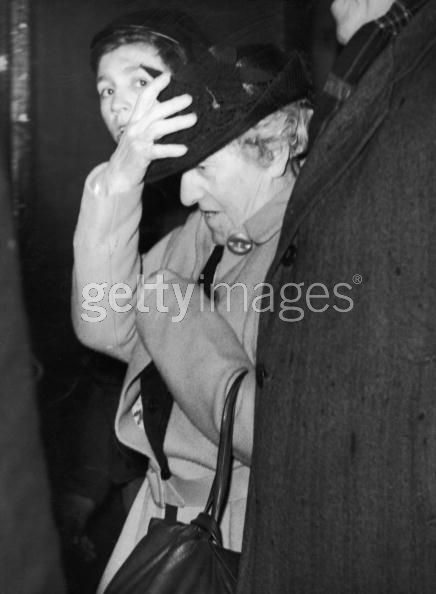
British authorities successfully linked Ley to the murder through the testimony of his accomplices. The investigation revealed a cold, calculating mind capable of extreme violence to protect his reputation.
4. Legal Proceedings and Outcome
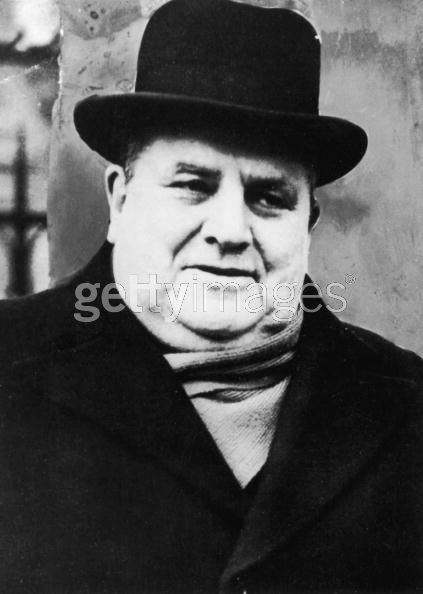
Convicted at the Old Bailey in 1947, Ley was sentenced to death. Due to a psychiatric evaluation declaring him insane, his sentence was commuted to life in Broadmoor Asylum, where he died shortly thereafter.