Forensic & Criminological Matrix
| Parameter | Forensic Detail |
|---|---|
| Forensic Heading / Aliases | null |
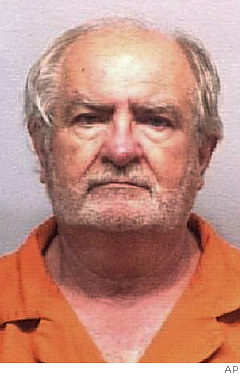
| Legal Identity | Gary Earl Leiterman |
| Confirmed Victims | 1 |
| Attributed / Indicted Victims | 1 |
| Active Timeline | 1969 |
| Jurisdiction / Area of Operations | Ann Arbor, Michigan |
| Criminological Classification | Sexual Homicide |
| Forensic Modus Operandi | Strangulation and execution by firearm |
| Weapon / Mechanism of Death | Nylon stocking and .22 caliber pistol |
| Motive / Behavioral Dynamics | Sexual assault and sadistic control |
| Judicial Outcome | Life imprisonment without parole |
1. Background and Psychopathy
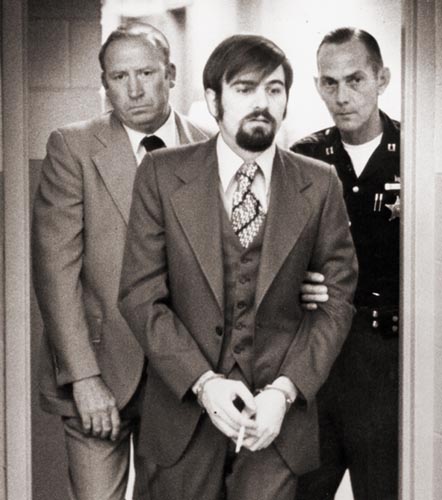
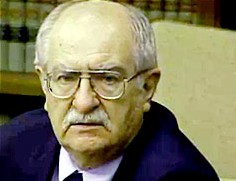
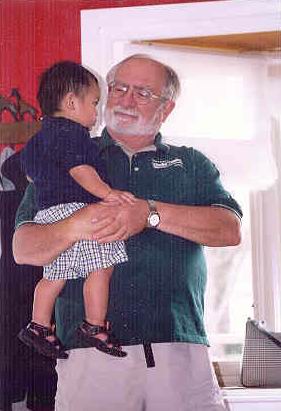
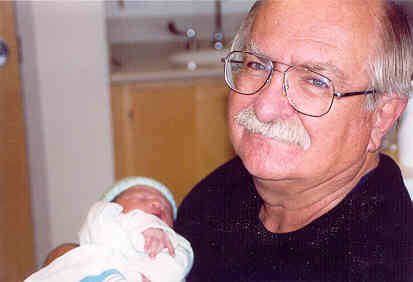
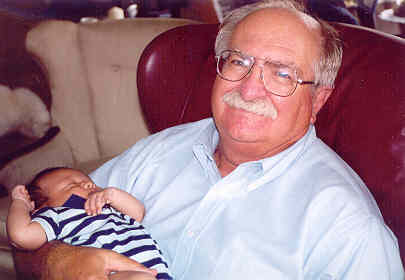
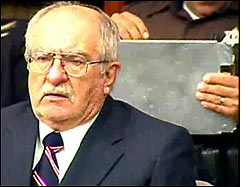
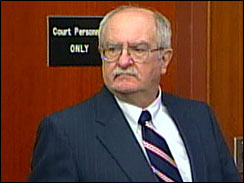
Gary Earl Leiterman (1942-2019) was a former nurse and pharmaceutical salesman. Despite his outward appearance as a family man and Civil War enthusiast, he harbored violent tendencies that remained hidden for decades until forensic breakthroughs linked him to the 1969 murder of Jane Mixer.
2. Crime Spree
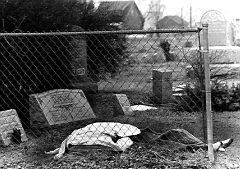
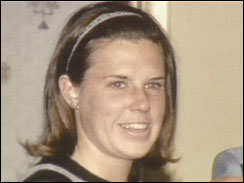
Jane Mixer, a 23-year-old law student, disappeared after posting a ride-share notice. Her body was discovered in a cemetery, posed with her belongings arranged neatly nearby. She had been strangled and shot twice in the head, a signature that deviated from the brutal serial killings occurring in the area at the time.
3. Investigation and Arrest
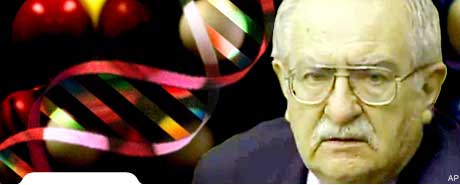
For over 30 years, the case was cold. In 2002, Sgt. Eric Schroeder utilized modern DNA testing on preserved evidence. Sweat samples from the victim's pantyhose provided a match to Leiterman, whose DNA was in the state database due to a 2001 felony conviction for prescription forgery.
4. Legal Proceedings and Outcome
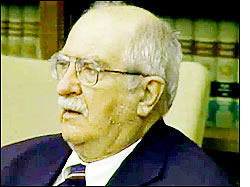
Leiterman's 2005 trial was complex, involving debates over potential lab contamination regarding other DNA found at the scene. Despite the defense's arguments, the jury convicted him of first-degree murder. He was sentenced to life in prison without the possibility of parole.
5. Forensic Conclusion
Leiterman died in prison in 2019. His case remains a significant example of how cold cases can be resolved through the retrospective application of DNA technology on long-stored forensic evidence.