


Forensic & Criminological Matrix
| Parameter | Forensic Detail |
|---|---|
| Forensic Heading / Aliases | None |
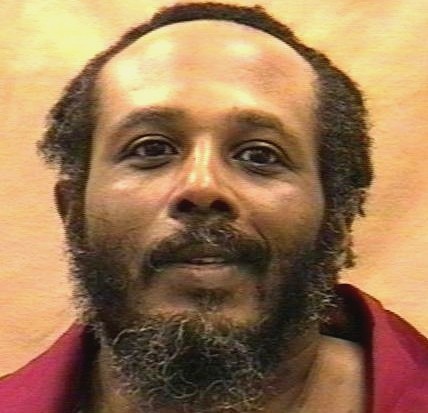
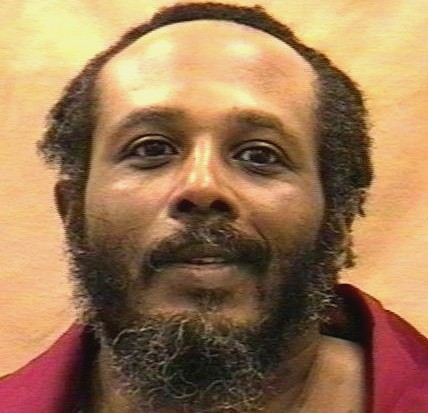
| Legal Identity | Guy Tobias LeGrande |
| Confirmed Victims | 1 |
| Attributed / Indicted Victims | 1 |
| Active Timeline | 1996 |
| Jurisdiction / Area of Operations | Stanly County, North Carolina |
| Criminological Classification | Contract Killer |
| Forensic Modus Operandi | Murder-for-hire with underlying severe mental pathology |
| Weapon / Mechanism of Death | Not specified (contract homicide) |
| Motive / Behavioral Dynamics | Financial gain / Delusional disorder |
| Judicial Outcome | Death sentence (stayed due to mental incompetence) |
1. Background and Profile
Guy Tobias LeGrande is an individual diagnosed with severe delusional disorder. Throughout his legal proceedings, he exhibited erratic behavior, including acting as his own counsel, wearing a Superman t-shirt, and claiming to communicate with celebrities via television. His psychological profile has been a subject of significant forensic scrutiny.
2. Criminal Career and Modus Operandi
In 1996, LeGrande was involved in a murder-for-hire plot. The scheme was masterminded by the victim's husband, who sought to eliminate her for personal and financial gain. LeGrande served as the material executor, operating under a deeply compromised mental state.
3. Investigation and Arrest
The investigation uncovered a conspiracy centered on the victim's husband. The Stanly County District Attorney's office faced criticism for controversial practices, such as distributing gold noose lapel pins to attorneys following death penalty verdicts and the systematic exclusion of African-American citizens from the jury.
4. Legal Proceedings and Outcome
LeGrande was sentenced to death in 1996. During his trial, he rambled incoherently, cursed the jury, and made messianic threats. In 2008, a Stanly County Superior Court judge ruled that LeGrande was too mentally ill to face execution, a landmark decision in North Carolina jurisprudence regarding mental health on death row.
5. Psychiatric Evaluation and Conclusion
Psychiatric experts, including specialists from Dorothea Dix, confirmed that LeGrande's delusional disorder interfered with his ability to appreciate the nature and object of the proceedings. His case remains a pivotal reference in the debate regarding the constitutionality of executing individuals with severe mental illness.