



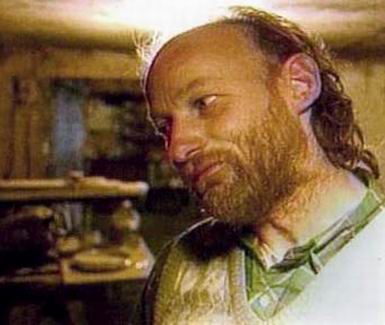
Forensic & Criminological Matrix
| Parameter | Forensic Detail |
|---|---|
| Forensic Heading / Aliases | The Monster of the Miramichi |
| Legal Identity | Allan Joseph Legere |
| Confirmed Victims | 5 |
| Attributed / Indicted Victims | 5 |
| Active Timeline | 1986 - 1989 |
| Jurisdiction / Area of Operations | New Brunswick, Canada |
| Criminological Classification | Serial killer, rapist, arsonist |
| Forensic Modus Operandi | Home invasion, torture, sexual assault, blunt force homicide, arson |
| Weapon / Mechanism of Death | Blunt objects, physical force, fire |
| Motive / Behavioral Dynamics | Sadism, power, psychopathy |
| Judicial Outcome | Life imprisonment (convicted 1991) |
1. Background and Profile
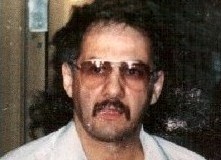
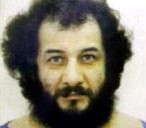
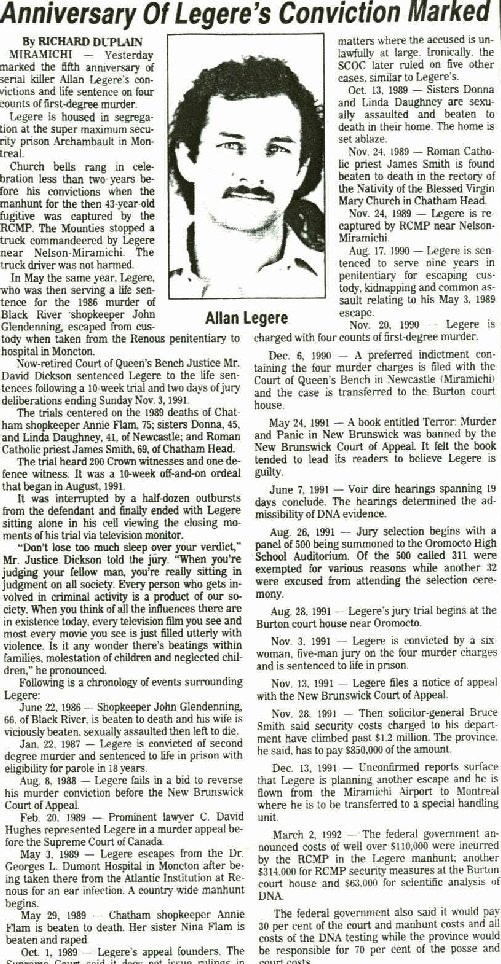
Allan Joseph Legere (1948-2026) was a Canadian serial killer whose criminal career left a lasting impact on the Canadian justice system. Originally a car salesman, his return to New Brunswick preceded a descent into extreme violence. His psychological profile was characterized by severe sadism and a total lack of remorse, escalating from burglary to multiple homicides.
2. Criminal Career and Modus Operandi
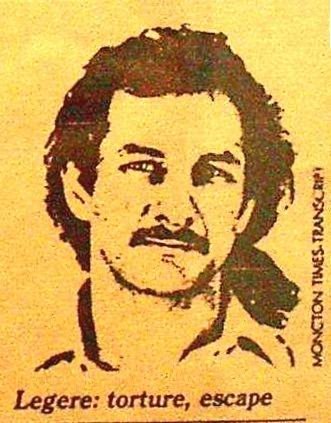
Legere's first documented murder occurred on June 22, 1986, when he killed John Glendenning during a home invasion. After escaping custody on May 3, 1989, he embarked on a seven-month killing spree. His victims included Annie Flam, sisters Donna and Linda Daughney, and Reverend James Smith. He frequently used arson to destroy evidence and terrorize the community.
3. Investigation and Arrest
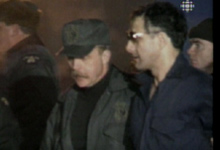
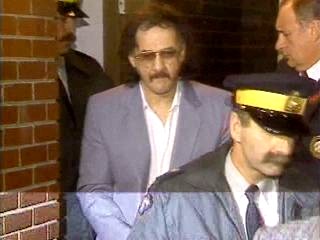
Legere's escape triggered one of the largest manhunts in Canadian history. The investigation was notable for being one of the first instances where DNA fingerprinting was used as evidence in a Canadian court, overcoming defense arguments regarding the Miramichi region's gene pool. He was recaptured on November 24, 1989, by the RCMP.
4. Legal Proceedings and Outcome
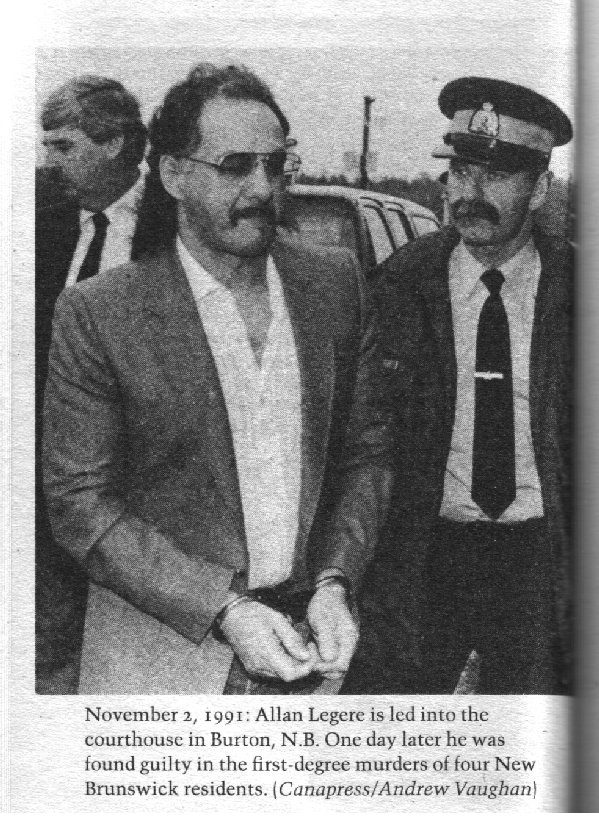
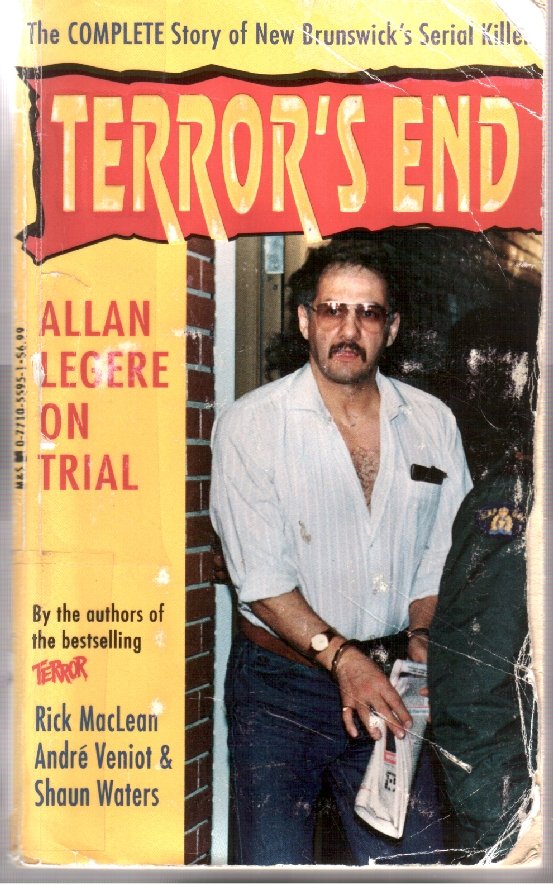
Legere was convicted in 1991 on four counts of first-degree murder. The trial was highly complex, involving extensive voir dire hearings regarding DNA evidence. He was sentenced to life imprisonment and spent the remainder of his life in the Special Handling Unit (SHU), a maximum-security facility for Canada's most dangerous offenders.
5. Psychiatric Assessment and Conclusion
Legere was deemed a high-risk psychopath. Throughout his incarceration, he remained a pariah among the prison population due to the nature of his crimes. He died in custody in 2026, having never been granted parole.