Forensic & Criminological Matrix
| Parameter | Forensic Detail |
|---|---|
| Forensic Heading / Aliases | The Strangler |
| Legal Identity | Lucien Leger |
| Confirmed Victims | 1 |
| Attributed / Indicted Victims | 1 |
| Active Timeline | 1964 |
| Jurisdiction / Area of Operations | Paris, France |
| Criminological Classification | Serial killer (self-proclaimed) / Psychopathic offender |
| Forensic Modus Operandi | Abduction, strangulation, and media harassment |
| Weapon / Mechanism of Death | Manual strangulation |
| Motive / Behavioral Dynamics | Attention-seeking, narcissism, and childhood trauma |
| Judicial Outcome | Life imprisonment (1966) |
1. Background and Profile
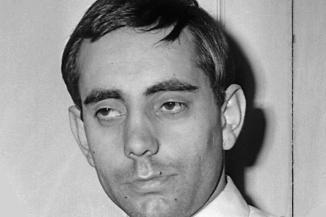
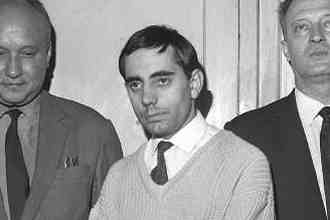
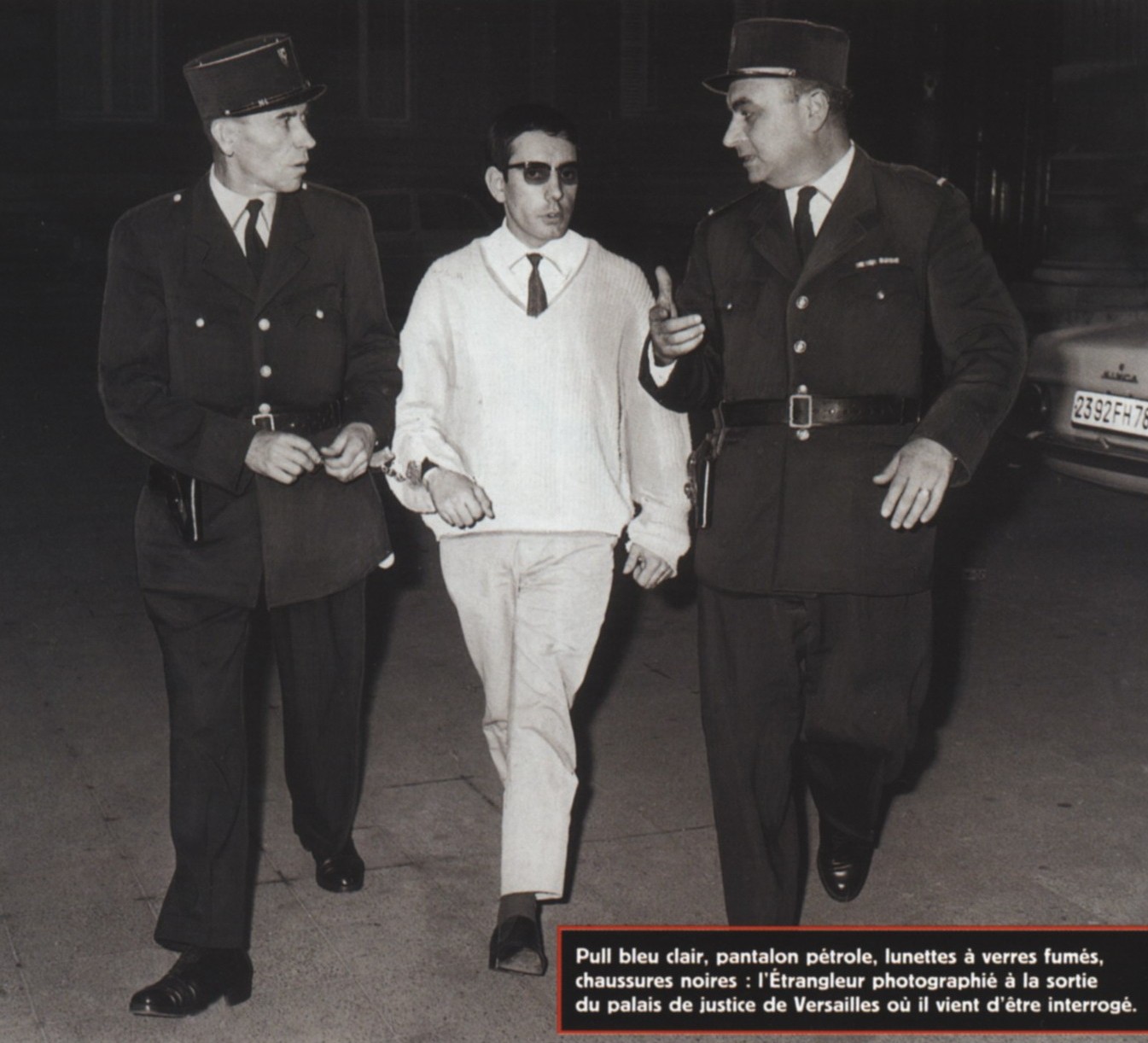
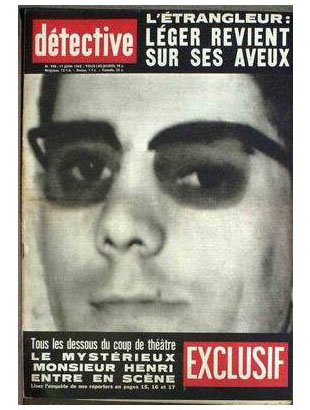
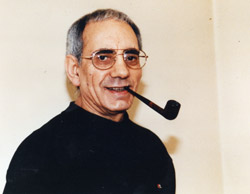
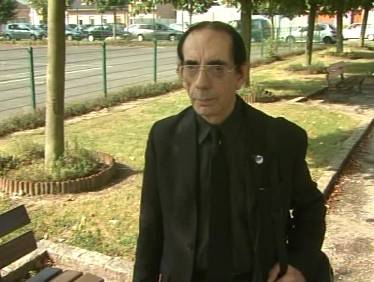
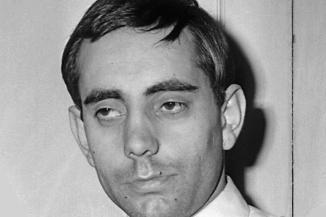
Born in 1937, Lucien Leger was a student nurse living in the Parisian suburb of Villejuif. He was described as a colorless, bespectacled individual who harbored deep-seated feelings of inadequacy and a pathological desire for fame, which he attempted to satisfy through amateur songwriting and, ultimately, violent crime.
2. Criminal Career and Modus Operandi
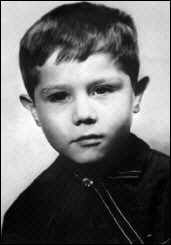
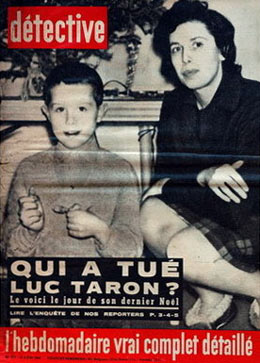
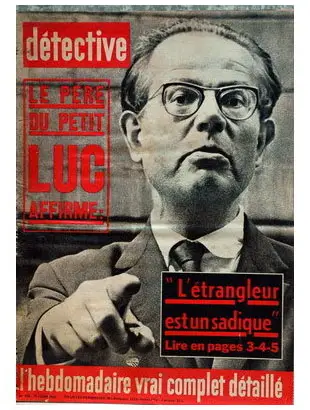
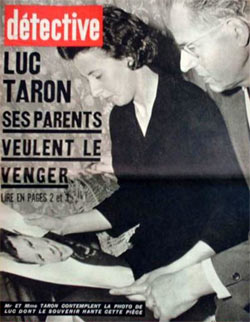
Leger's criminal activity centered on the abduction and murder of young Jean-Luc Taron. Following the act, he engaged in a 40-day campaign of psychological warfare, sending 58 letters and making 13 phone calls to authorities and the press. He signed these as 'The Strangler', providing false clues and demanding ransom to taunt investigators.
3. Investigation and Arrest
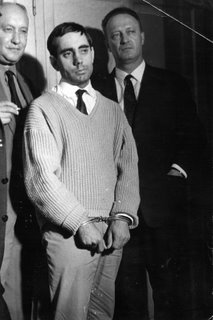
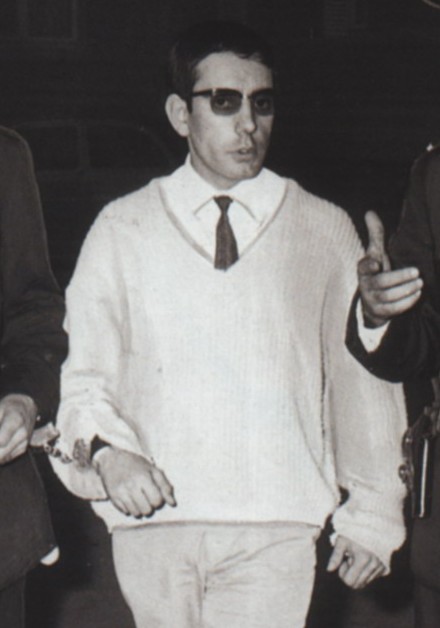
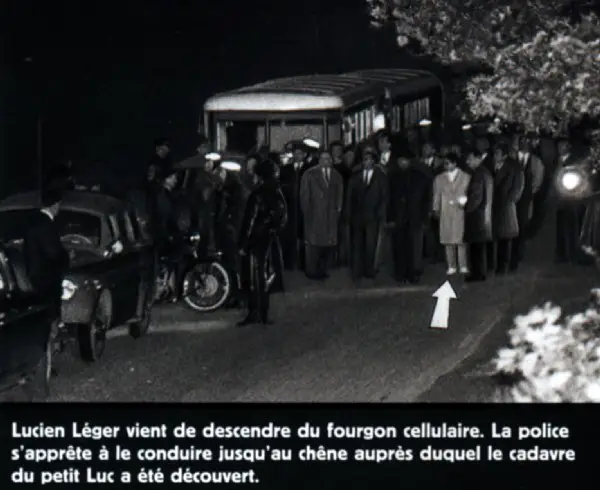
Police efforts were hampered by the media frenzy surrounding the case. Investigators from the Sûreté's First Mobile Brigade eventually traced the source of the messages to Leger's apartment. The discovery of the specific rose-tinted stationery used for his letters proved to be the critical forensic link that led to his arrest.
4. Legal Proceedings and Outcome
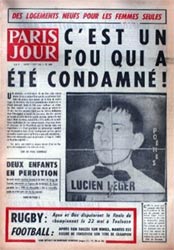
Upon his arrest, Leger confessed to the murder of Jean-Luc Taron. His trial and subsequent conviction in 1966 resulted in a life sentence. He became a notorious figure in French criminal history, spending over four decades behind bars and remaining a subject of intense psychological scrutiny until his death.