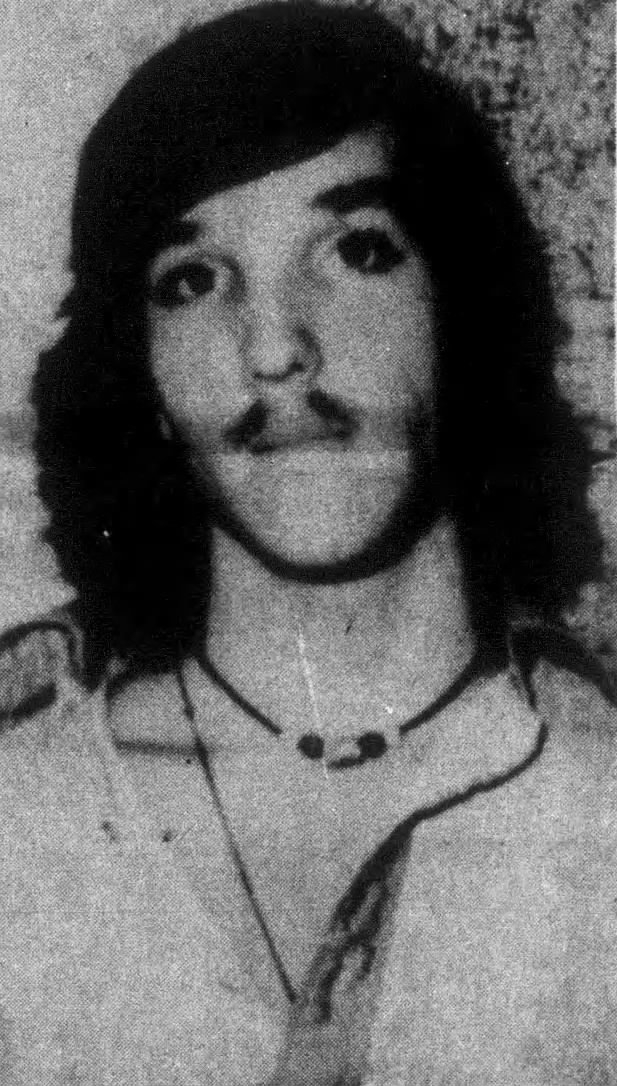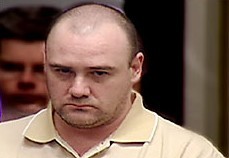
Forensic & Criminological Matrix
| Parameter | Forensic Detail |
|---|---|
| Forensic Heading / Aliases | null |
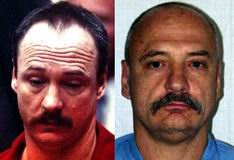
| Legal Identity | Paul Leahy |
| Confirmed Victims | 1 |
| Attributed / Indicted Victims | 1 |
| Active Timeline | 2002 |
| Jurisdiction / Area of Operations | Bridgewater, Massachusetts, USA |
| Criminological Classification | Sexual predator / Violent offender |
| Forensic Modus Operandi | Stalking at rest areas, use of bladed weapons, sexual assault |
| Weapon / Mechanism of Death | Knife (stabbing) |
| Motive / Behavioral Dynamics | Sexual assault and robbery |
| Judicial Outcome | Life imprisonment without parole |
1. Background and Psychopathy
Paul Leahy had a long criminal history dating back to 1981, with a focus on sexual offenses starting in 1984. He had previously served 13 years for the aggravated rape of a 21-year-old woman. Despite attempts by the Plymouth County District Attorney's Office to have him civilly committed as a habitual offender in 2001, the courts denied the petitions due to legal loopholes.
2. Crime Spree
On July 18, 2002, Alexandra Zapp, a 30-year-old sailing instructor, stopped at a rest area on Route 24 in Bridgewater. Leahy, working as a cook at the local Burger King, targeted her. After a violent struggle, Leahy stabbed Zapp 27 times, resulting in her death. He was caught red-handed by a state trooper while attempting to clean the crime scene.
3. Investigation and Arrest
Lieutenant Stephen O'Reilly, an off-duty state trooper, heard Zapp's screams from the men's restroom. Upon entering the women's restroom, he discovered Leahy washing blood from his hands and the victim's body. Physical evidence, including the victim's car keys found on Leahy and his subsequent confession, solidified the prosecution's case.
4. Legal Proceedings and Outcome
The trial commenced in September 2003. The defense argued that the killing was an unplanned, spontaneous act. The prosecution successfully countered this with evidence of the brutal nature of the attack and Leahy's own admissions. The jury convicted him of first-degree murder, kidnapping, and armed robbery. He was sentenced to life in prison without the possibility of parole.