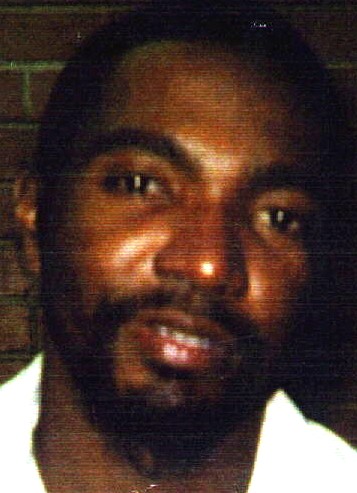
Forensic & Criminological Matrix
| Parameter | Forensic Detail |
|---|---|
| Forensic Heading / Aliases | None |
| Legal Identity | Stacey Lamont Lawton |
| Confirmed Victims | 1 |
| Attributed / Indicted Victims | 1 |
| Active Timeline | 1990-2000 |
| Jurisdiction / Area of Operations | Texas, United States |
| Criminological Classification | Murderer (Robbery-homicide) |
| Forensic Modus Operandi | Armed robbery resulting in death |
| Weapon / Mechanism of Death | Firearm |
| Motive / Behavioral Dynamics | Financial gain / Violent crime |
| Judicial Outcome | Death penalty (Executed) |
1. Background and Profile
Stacey Lamont Lawton (1969–2000) was an American offender whose criminal career was defined by his involvement in armed robberies. His criminological profile is that of a violent offender whose criminal escalation resulted in a homicide during the commission of a property crime.
2. Criminal Career and Modus Operandi
Lawton operated primarily within the state of Texas. His modus operandi involved targeting individuals for robbery, utilizing intimidation through firearms. In one such incident, the encounter escalated, resulting in the death of a victim, for which he was subsequently prosecuted and convicted.
3. Investigation and Arrest
The investigation was conducted by Texas law enforcement, who successfully linked Lawton to the homicide through the collection of testimonial and forensic evidence at the crime scene. Despite his persistent denials, the evidence presented by the prosecution was conclusive.
4. Legal Proceedings and Outcome
Lawton was arrested and tried for his involvement in the crimes. During his trial, he maintained a stance of denial, stating: "I didn’t kill your father. I mean, I know how it look, but I didn’t do it." Despite his claims of innocence, he was sentenced to death.
5. Forensic Psychiatric Evaluation and Conclusion
Stacey Lamont Lawton was executed by the state of Texas in 2000. His final statement was a message of farewell to his loved ones, urging them to stay strong despite the judicial circumstances and the fatal outcome of the case.