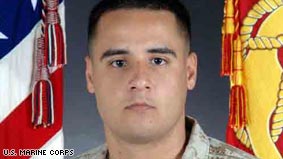




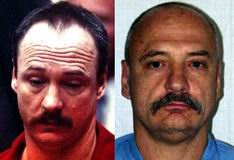
Forensic & Criminological Matrix
| Parameter | Forensic Detail |
|---|---|
| Forensic Heading / Aliases | N/A |
| Legal Identity | Cesar Armando Laurean |
| Confirmed Victims | 1 |
| Attributed / Indicted Victims | 1 |
| Active Timeline | December 2007 |
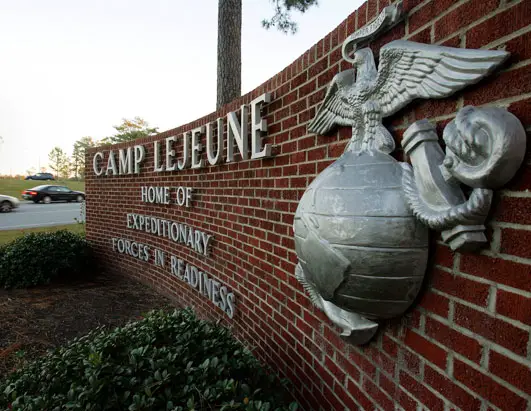
| Jurisdiction / Area of Operations | Camp Lejeune, Jacksonville, North Carolina |
| Criminological Classification | Cover-up Homicide / Gender-based Violence |
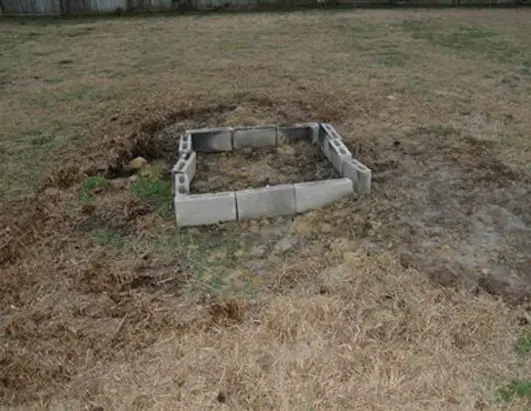
| Forensic Modus Operandi | Blunt force trauma, concealment of remains in fire pit |
| Weapon / Mechanism of Death | Blunt object (crowbar) |
| Motive / Behavioral Dynamics | Preservation of military career / Avoiding legal consequences |
| Judicial Outcome | Life imprisonment without parole |
1. Background and Profile
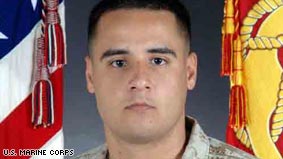
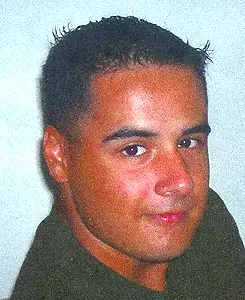
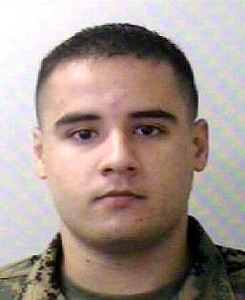
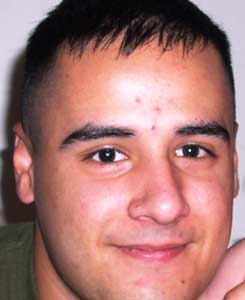
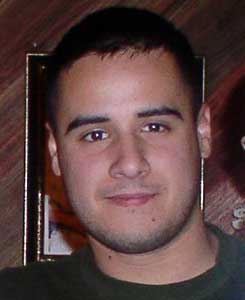
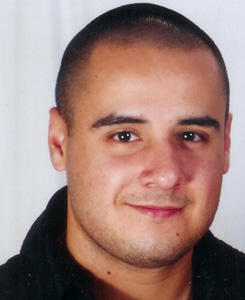
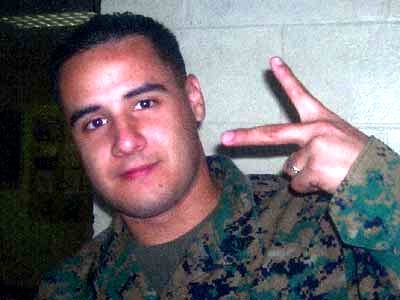
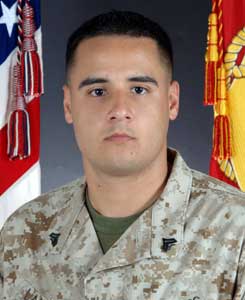
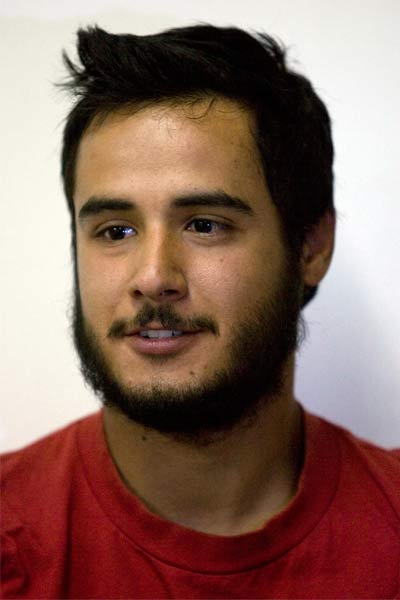
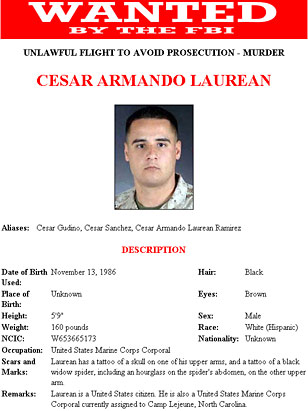
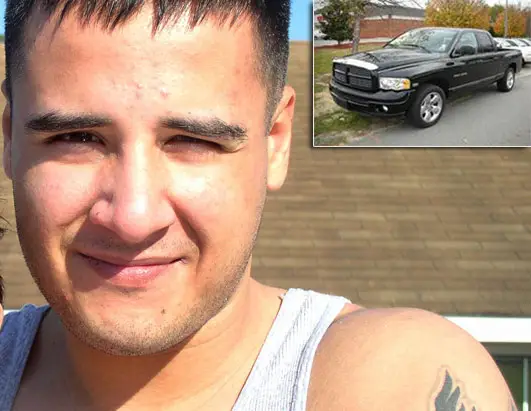
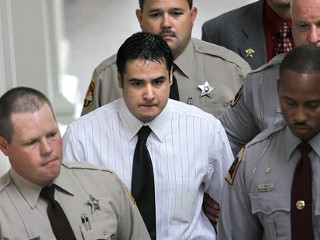
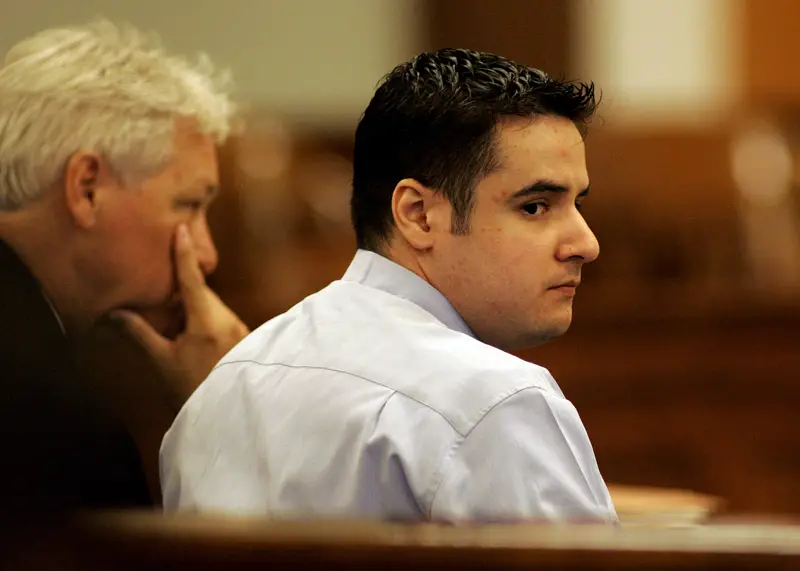
Cesar Armando Laurean (born 1986) was a Corporal in the United States Marine Corps stationed at Camp Lejeune, North Carolina. A naturalized U.S. citizen of Mexican descent, he served as a personnel clerk. His criminal trajectory was defined by a desperate attempt to protect his military standing following a sexual assault accusation filed against him by a subordinate.
2. Criminal Career and Modus Operandi
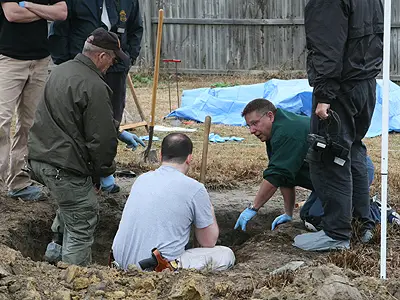
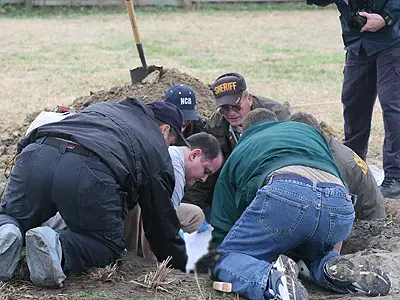
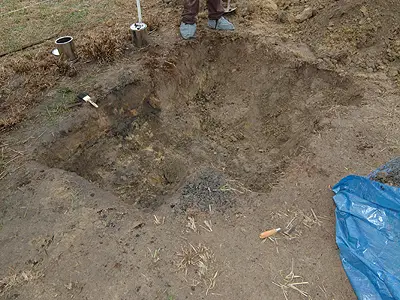
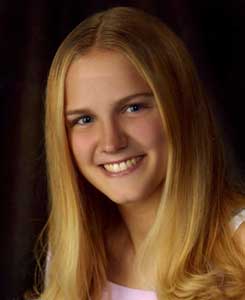
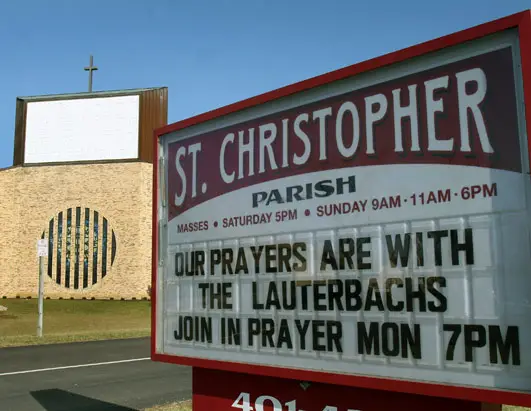
On December 14, 2007, Lance Corporal Maria Lauterbach, 20, who was eight months pregnant, went missing. She had previously accused Laurean of rape. Authorities discovered the charred remains of Lauterbach and her unborn child in a fire pit in Laurean's backyard. Forensic evidence, including blood found in his home, contradicted his claim that the victim had committed suicide. The autopsy confirmed the cause of death as blunt force trauma to the head.
3. Investigation and Arrest
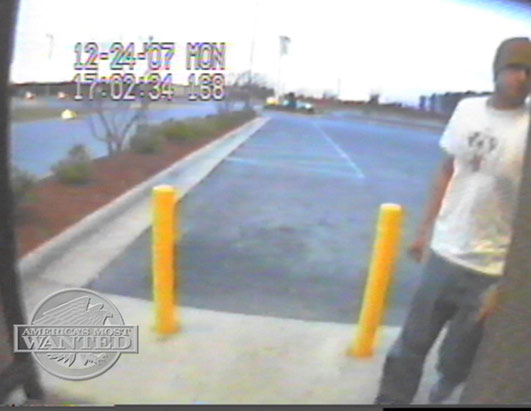
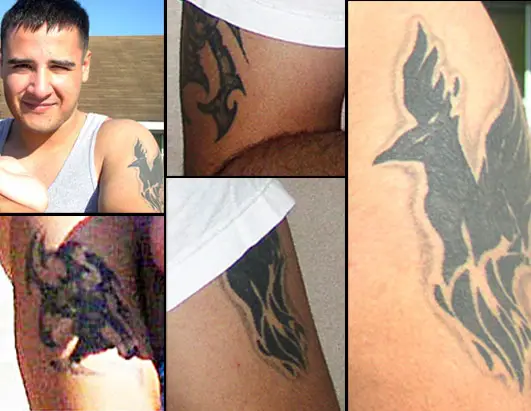
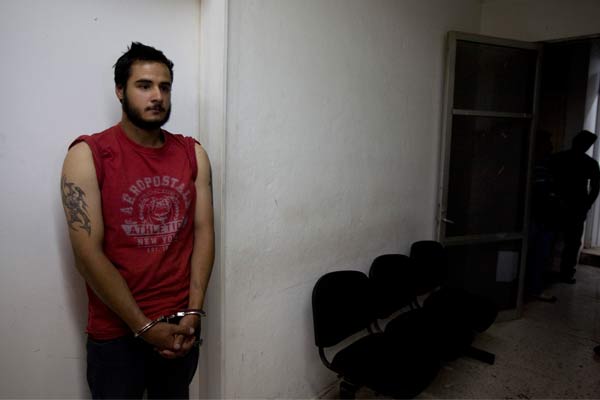
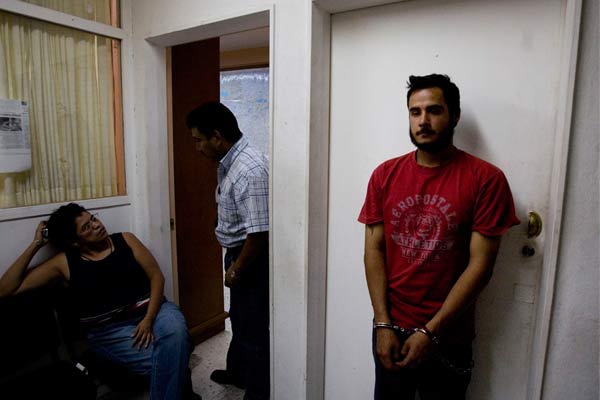
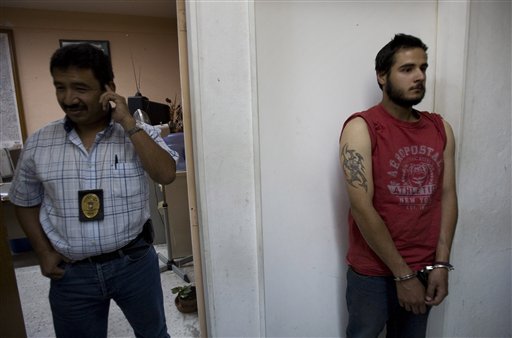
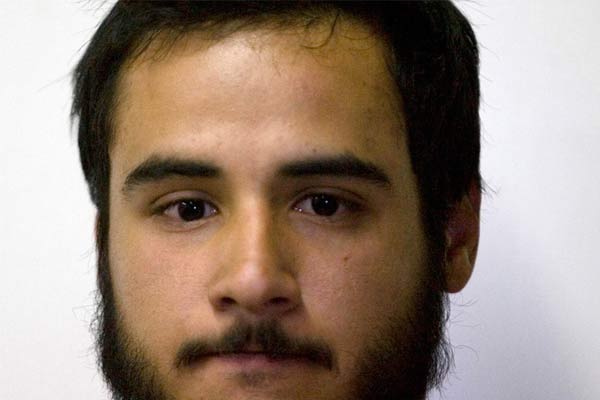
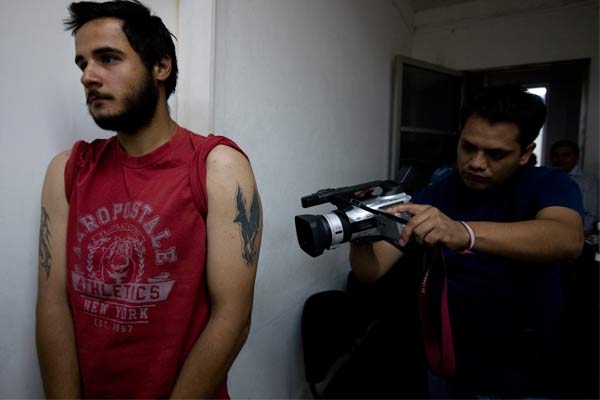
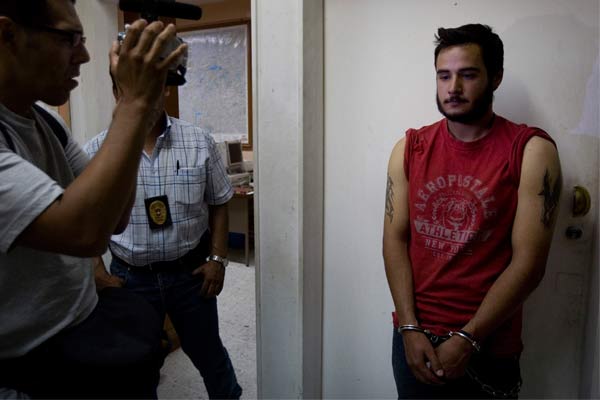
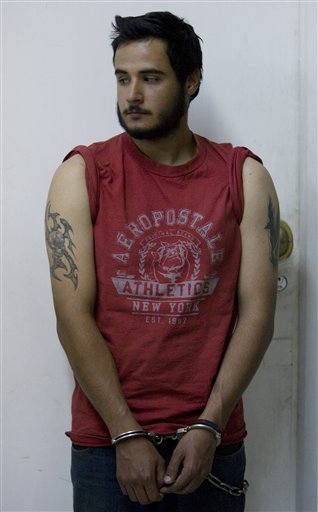
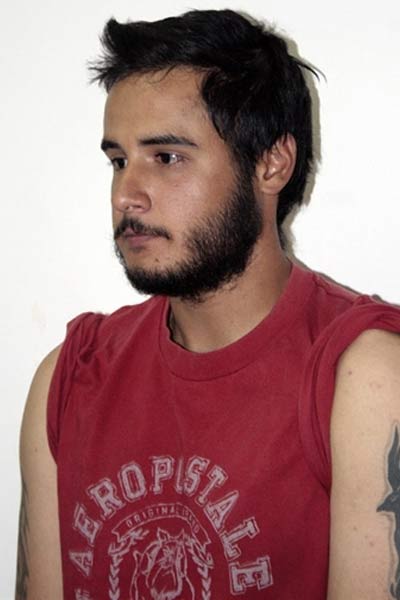
The investigation, involving the Onslow County Sheriff's Office, the FBI, and NCIS, tracked Laurean to Mexico after he fled the U.S. In April 2008, Mexican authorities arrested him in Tacámbaro, Michoacán. His identification was facilitated by his distinctive tattoos. The international manhunt concluded after he was apprehended while walking on a public street.
4. Legal Proceedings and Outcome
Extradition proceedings were protracted due to the U.S.-Mexico treaty regarding the death penalty. District Attorney Dewey Hudson agreed to waive the death penalty to secure Laurean's return. In 2010, following a change of venue to Wayne County, a jury convicted Laurean of murder, theft, and fraud. He was sentenced to life in prison without the possibility of parole.
5. Behavioral Dynamics and Conclusion
The defense's attempt to shift blame onto Laurean's wife was rejected by the jury. The prosecution successfully argued that Laurean's motive was the preservation of his career, which escalated into lethal violence when his initial attempts to silence the victim failed.