




Forensic & Criminological Matrix
| Parameter | Forensic Detail |
|---|---|
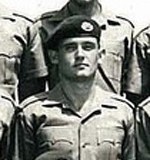
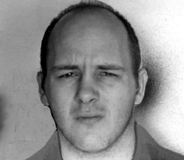
| Forensic Heading / Aliases | Mathew Charles Lamb (Matt) |
| Legal Identity | Mathew Charles Lamb |
| Confirmed Victims | 2 |
| Attributed / Indicted Victims | 2 |
| Active Timeline | 1967 |
| Jurisdiction / Area of Operations | Windsor, Ontario, Canada |
| Criminological Classification | Spree Killer |
| Forensic Modus Operandi | Impulsive armed assault |
| Weapon / Mechanism of Death | Firearm |
| Motive / Behavioral Dynamics | Psychiatric instability / Childhood trauma |
| Judicial Outcome | Not guilty by reason of insanity |
1. Background and Profile
Born in 1948 in Windsor, Ontario, Mathew Charles Lamb suffered from early abandonment by his teenage mother. His upbringing was characterized by severe abuse at the hands of his step-grandfather, which fostered deep emotional detachment and a propensity for violence. By age 16, he had already assaulted a police officer, signaling a trajectory of escalating criminal behavior.
2. Criminal Career and Modus Operandi
Lamb's criminal career was marked by impulsive violence. After a 14-month stint in Kingston Penitentiary starting in April 1965 for a shootout with police, his mental state deteriorated. In 1967, he engaged in a deadly spree that resulted in two fatalities, utilizing firearms as his primary method of aggression.
3. Investigation and Arrest
Law enforcement agencies monitored Lamb due to his previous violent encounters. The 1967 incident led to his immediate apprehension, as his pattern of behavior had become increasingly erratic and dangerous to the public.
4. Legal Proceedings and Outcome
During his 1967 trial, Lamb faced the mandatory death penalty for capital murder. His legal team successfully argued that he was not criminally responsible due to mental illness. The court found him 'not guilty by reason of insanity,' a decision that sparked significant debate regarding the intersection of mental health and criminal justice in Canada.
5. Psychiatric Evaluation and Conclusion
Psychiatric evaluations highlighted the profound impact of his abusive upbringing on his psychological development. Lamb remained institutionalized until his death in 1976, marking the end of a case that remains a significant study in forensic psychiatry.