Forensic & Criminological Matrix
| Parameter | Forensic Detail |
|---|---|
| Forensic Heading / Aliases | None |
| Legal Identity | Angelo John LaMarca |
| Confirmed Victims | 1 |
| Attributed / Indicted Victims | 1 |
| Active Timeline | 1956 |
| Jurisdiction / Area of Operations | Westbury, New York, USA |
| Criminological Classification | Kidnapper / Murderer |
| Forensic Modus Operandi | Opportunistic infant kidnapping with ransom note |
| Weapon / Mechanism of Death | Abandonment and exposure |
| Motive / Behavioral Dynamics | Financial stress and debt |
| Judicial Outcome | Death penalty (Executed) |
1. Background and Profile
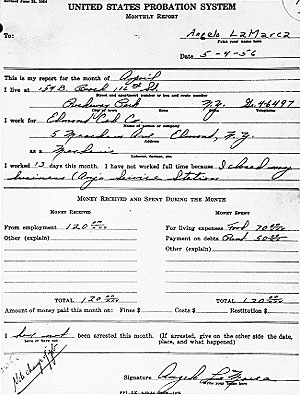
Angelo John LaMarca was a 31-year-old taxi dispatcher and truck driver living in Plainview, New York. Despite his status as a husband and father of two, he was suffering from severe financial strain, including significant debts and threats from loan sharks. His criminal record included a prior arrest for operating an illegal moonshine still.
2. Criminal Career and Modus Operandi
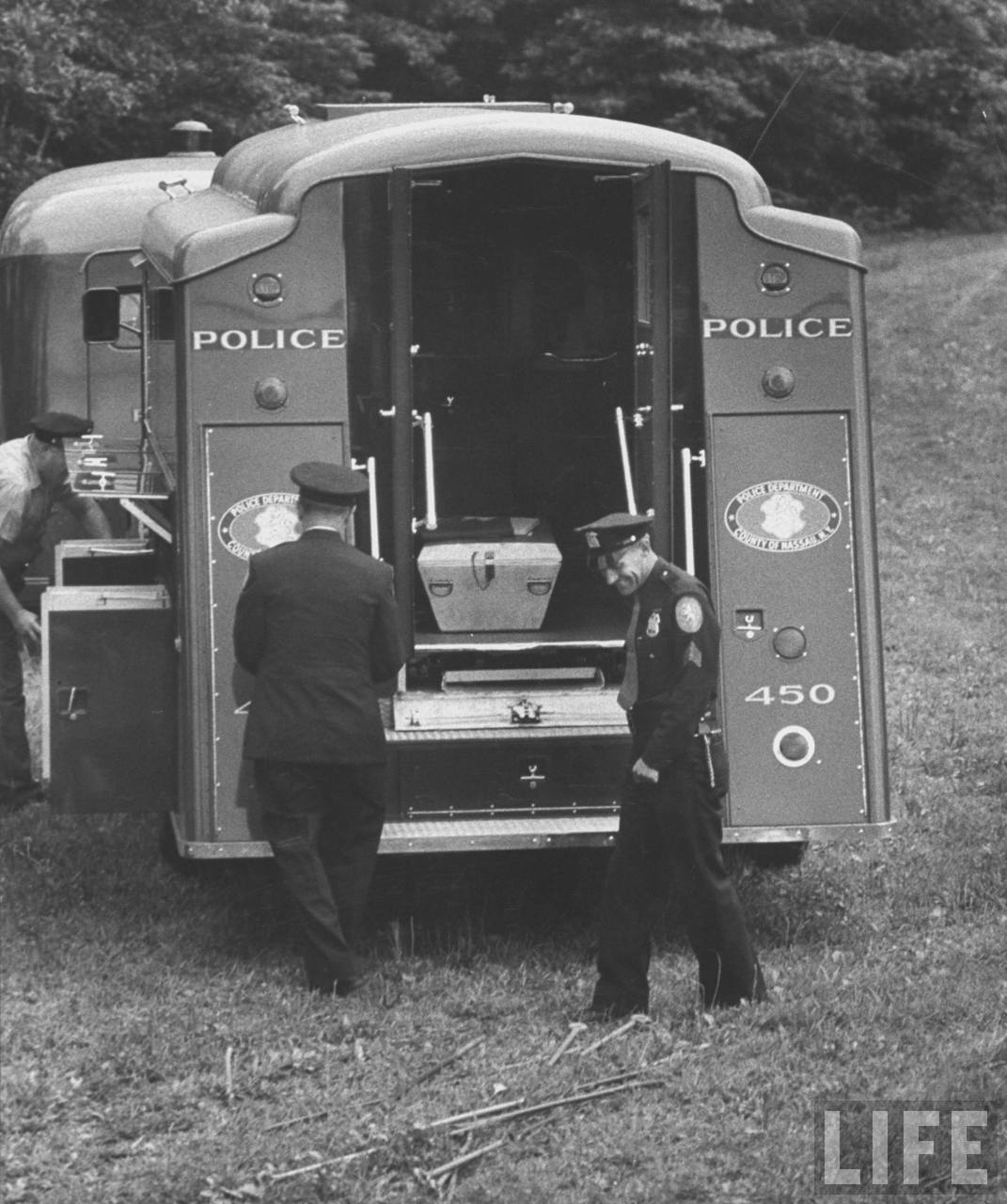
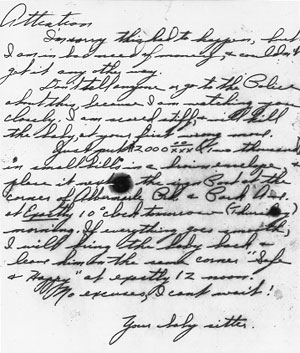
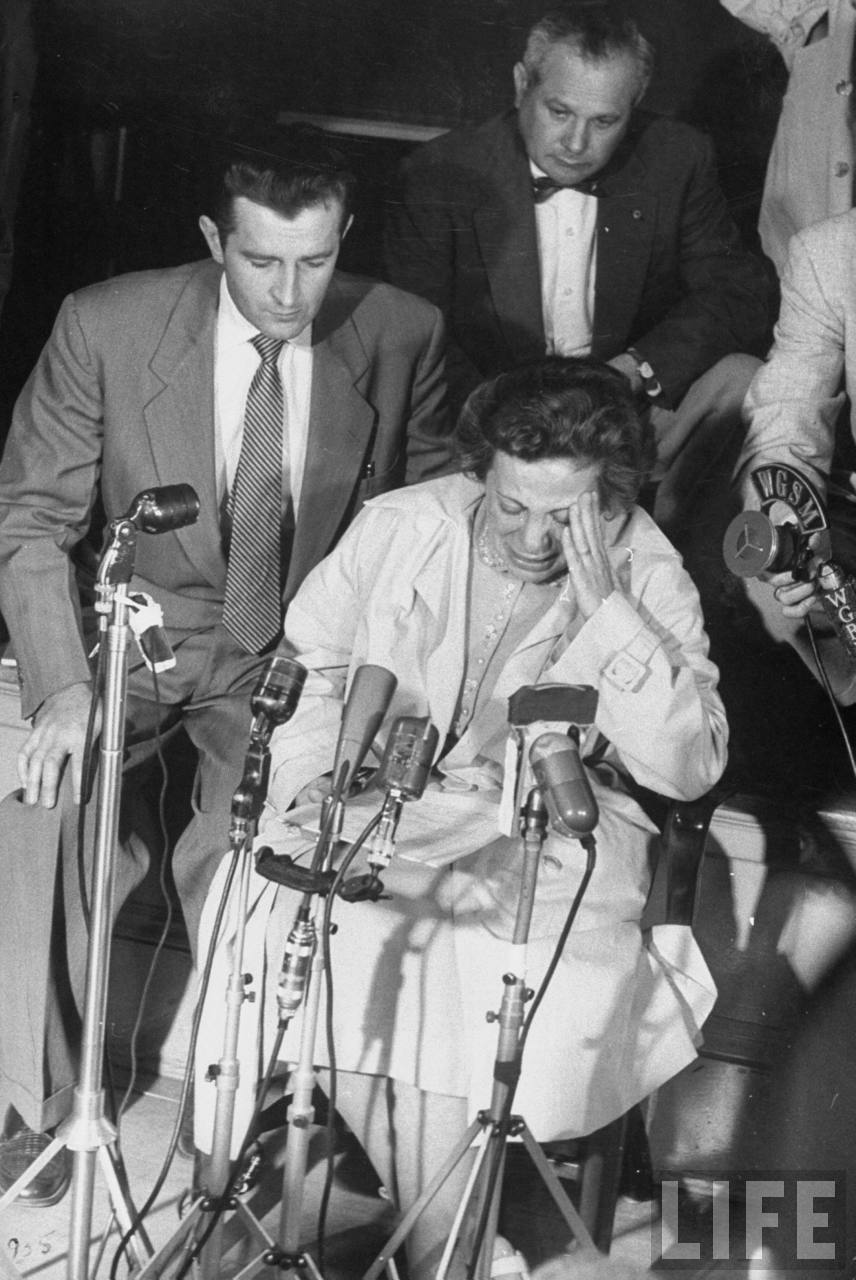
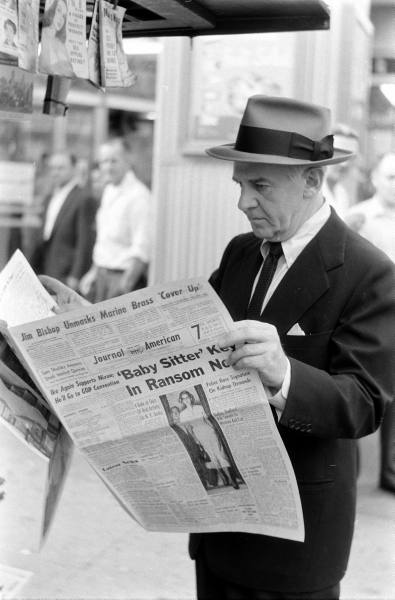
On July 4, 1956, LaMarca, driven by financial desperation, abducted one-month-old Peter Weinberger from his home patio in Westbury. He left a ransom note demanding $2,000. After failing to collect the ransom due to police presence, he abandoned the infant in a brush patch near a highway exit, where the child died from exposure.
3. Investigation and Arrest
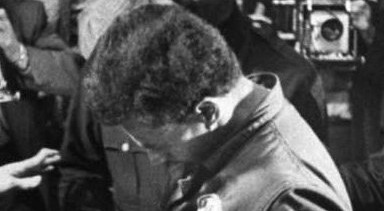
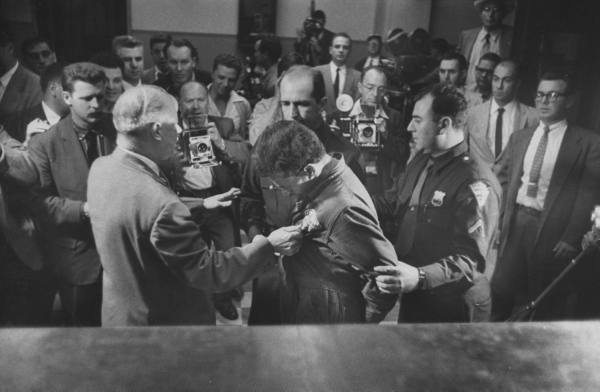
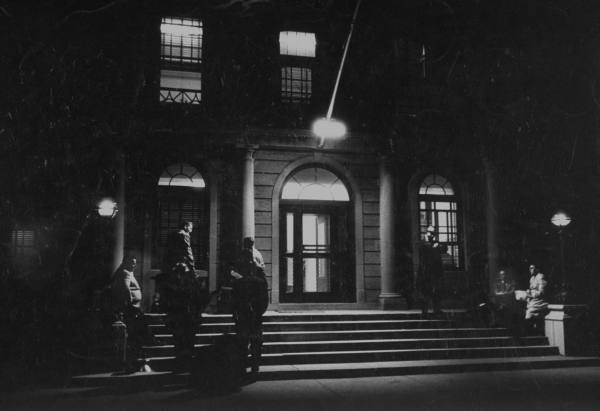
The case became a national sensation. After the mandatory seven-day waiting period, the FBI initiated a massive investigation, examining nearly two million handwriting samples. Forensic handwriting analysis linked LaMarca to the ransom note through records from his previous bootlegging conviction. He was arrested on August 23, 1956.
4. Legal Proceedings and Outcome
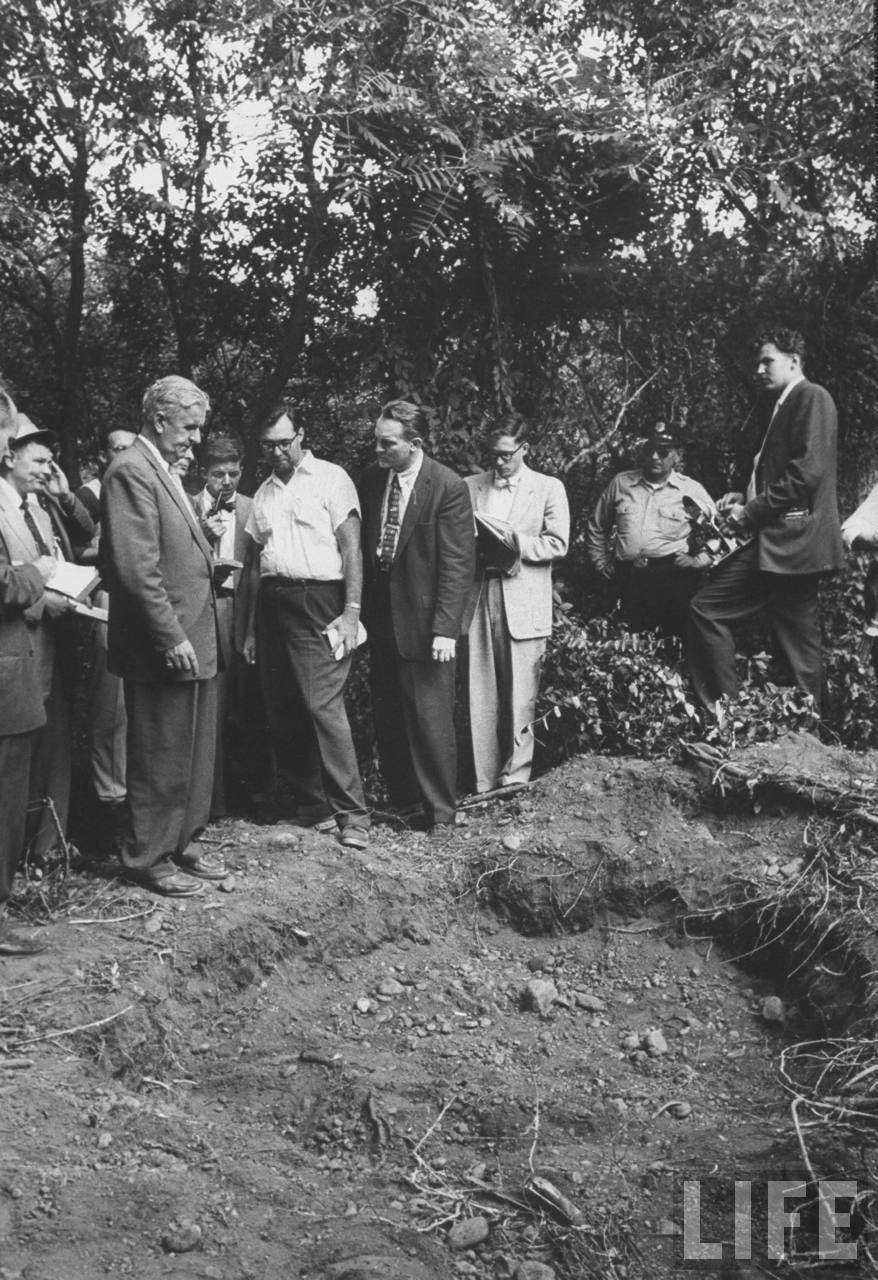
LaMarca confessed after being confronted with the evidence and led police to the infant's remains. He was tried in Nassau County court. Despite defense claims of temporary insanity due to financial pressure, he was convicted of kidnapping and murder. He was sentenced to death on December 14, 1956, and executed at Sing Sing Prison on August 7, 1958. The case led to the 'Weinberger Law,' which reduced the FBI's mandatory waiting period for kidnapping investigations.