Forensic & Criminological Matrix
| Parameter | Forensic Detail |
|---|---|
| Forensic Heading / Aliases | N/A |
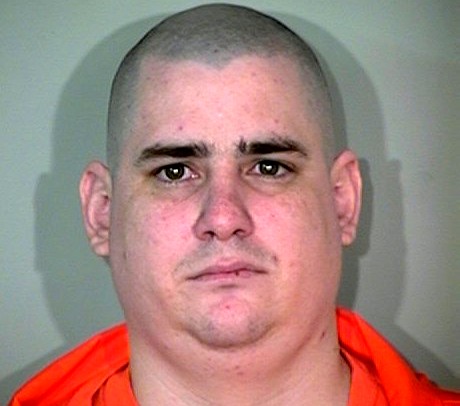
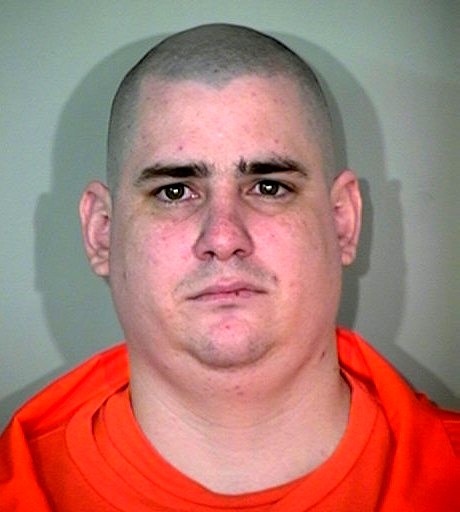
| Legal Identity | Kenneth Jeremy Laird |
| Confirmed Victims | 1 |
| Attributed / Indicted Victims | 1 |
| Active Timeline | 1992 |
| Jurisdiction / Area of Operations | Arizona, United States |
| Criminological Classification | Homicide / Juvenile Offender |
| Forensic Modus Operandi | Stabbing |
| Weapon / Mechanism of Death | Edged weapon |
| Motive / Behavioral Dynamics | Undetermined |
| Judicial Outcome | Life imprisonment (following commutation of death sentence) |
1. Background and Profile
Kenneth Jeremy Laird was born in 1975. His criminal trajectory unfolded in Arizona, where he exhibited patterns of antisocial behavior and juvenile delinquency from a young age, eventually escalating to lethal violence.
2. Crime Spree
In 1992, Laird committed a homicide involving the use of a knife. The case was part of a broader series of juvenile violent crimes that faced significant legal scrutiny in Arizona throughout the 1990s.
3. Investigation and Arrest
The investigation was conducted by Arizona state authorities, leading to Laird's arrest and subsequent prosecution under state laws governing minors who commit capital offenses.
4. Legal Proceedings and Outcome
Laird was initially sentenced to death. His case gained national attention due to the appeals process and the evolving jurisprudence regarding the execution of juvenile offenders. A warrant of execution was issued for January 2001 but was stayed. Following the 2005 U.S. Supreme Court ruling in Roper v. Simmons, which declared the execution of individuals who were under 18 at the time of their crime unconstitutional, his sentence was commuted.
5. Psychiatric Evaluation and Conclusion
Kenneth Laird is currently serving a life sentence, having been removed from death row following the landmark Supreme Court decision regarding the Eighth Amendment's prohibition of cruel and unusual punishment for minors.