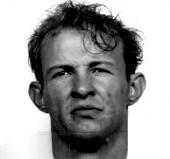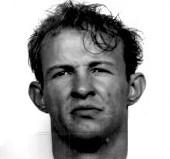




Forensic & Criminological Matrix
| Parameter | Forensic Detail |
|---|---|
| Forensic Heading / Aliases | N/A |
| Legal Identity | Clarence Allen Lackey |
| Confirmed Victims | 1 |
| Attributed / Indicted Victims | 1 |
| Active Timeline | 1977 |
| Jurisdiction / Area of Operations | Texas, United States |
| Criminological Classification | Murderer / Kidnapper |
| Forensic Modus Operandi | Abduction, physical assault, and homicide |
| Weapon / Mechanism of Death | Physical force / Beating |
| Motive / Behavioral Dynamics | Indeterminate / Alcohol-induced blackout claims |
| Judicial Outcome | Death penalty (Executed 1997) |
1. Background and Profile
Clarence Allen Lackey was born in 1954. His criminological profile, scrutinized during extensive legal proceedings, highlighted a history of excessive alcohol consumption. Lackey claimed to suffer from 'alcoholic blackouts.' Expert testimony from Dr. Herbert Modlin characterized him as a 'periodic drinker.' While Lackey had tested in the mildly retarded range at age fourteen, subsequent testing after age sixteen indicated below-average intelligence rather than clinical mental retardation.
2. Criminal Career and Modus Operandi
On July 31, 1977, Lackey abducted, beat, and murdered Diane Kumph. The crime was marked by extreme physical brutality. Throughout his trial, Lackey attempted to use his voluntary intoxication as a mitigating factor, claiming it rendered him incapable of conforming his conduct to the law, a defense that failed to persuade the jury.
3. Investigation and Arrest
Law enforcement authorities in Texas successfully linked Lackey to the crime scene through forensic evidence and witness testimony. The investigation established that the murder was a deliberate act, refuting the defendant's claims of automatic behavior induced by alcohol.
4. Legal Proceedings and Outcome
Lackey was convicted of capital murder. His case became a significant legal precedent regarding the 'Penry' claims—whether juries could consider mitigating evidence such as childhood abuse and low IQ. Despite multiple appeals and federal habeas corpus petitions arguing that his prolonged time on death row violated the Eighth Amendment, the courts consistently upheld his death sentence.
5. Psychiatric Evaluation and Final Disposition
Psychiatric evaluations presented during the sentencing phase failed to convince the jury that Lackey was not a future danger to society. Following the exhaustion of all legal appeals, Clarence Allen Lackey was executed by the State of Texas in 1997.