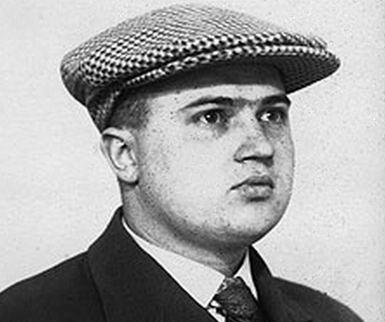




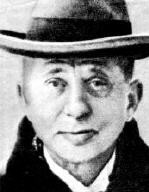
Forensic & Criminological Matrix
| Parameter | Forensic Detail |
|---|---|
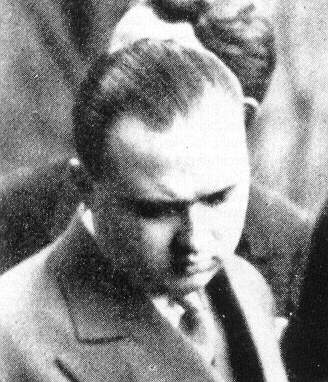
| Full Legal Name | Kurt Erich Tetzner |
| Media Monikers | The Burning Car Murderer, Stranelli |
| Nationality | German |
| Date of Birth | April 12, 1903, Neumark, Saxony, Germany |
| Date of Death | May 2, 1931 (aged 28, executed via guillotine in Kleinheubach, Bavaria) |
| Historical Penal Status | Convicted of capital murder and insurance fraud by the Plauen Jury Court; executed |
| Confirmed Murder Victims | 1 (Alois Ortner, an itinerant hitchhiker) |
| Date of Crime | Night of November 27, 1929 |
| Geographic Jurisdiction | Highway between Regensburg and Nuremberg, Bavaria, Weimar Germany |
| Lethal Forensic Mechanics | Pre-mortem mechanical asphyxiation / throttling followed by total post-mortem cremation with gasoline inside vehicle |
| Landmark Medicolegal Significance | European foundational case establishing forensic criteria for carbon monoxide carboxyhemoglobin saturation and airway soot inhalation to differentiate vital burn trauma from post-mortem combustion (Professor Richard Kockel) |
| Primary Criminal Motive | Utilitarian financial fraud targeting six life insurance underwriters to claim 145,000 Reichsmarks |
1. Criminological Trajectory and Insurance Scheme
Kurt Erich Tetzner stands as a landmark figure in European forensic medicine and criminalistics during the Weimar Republic. A commercial traveler and merchant from Leipzig, Tetzner maintained an extravagant lifestyle far beyond his legitimate revenues.
Facing bankruptcy and insurmountable debts, Tetzner and his wife Emma orchestrated an audacious scheme to fake his own death in a staged highway car blaze. Over preceding months, Tetzner took out substantial life insurance policies across six domestic insurers totaling 145,000 Reichsmarks, designating Emma as sole beneficiary.
2. The Regensburg Burning Car Slaying (November 1929)
The plot required securing a body matching Tetzner's approximate physique:
- On the afternoon of November 27, 1929, driving his Opel sedan across Bavaria near Nuremberg, Tetzner picked up a transient young hitchhiker looking for work, Alois Ortner.
- Later that night, Tetzner drugged or strangled the passenger into unconsciousness or death.
- Stopping along an embankment near Regensburg, he propped the corpse into the driver's seat, doused the vehicle with jerrycans of motor fuel, set it ablaze with a match, and fled toward the nearest railway hub.
3. Professor Richard Kockel's Landmark Forensic Autopsy
The following morning, Bavarian police discovered the incinerated Opel containing an unidentifiable, charred human corpse. Emma Tetzner staged grief-stricken scenes and immediately filed claims for the insurance disbursements.
Skeptical insurers demanded a rigorous forensic inquest. The charred remains were transferred to the Institute of Forensic Medicine at Leipzig University, directed by Professor Richard Kockel:
- Absence of Carboxyhemoglobin: Kockel sampled blood from deep thoracic vessels and cardiac cavities. Chemical spectroscopic analysis revealed an absence of carbon monoxide saturation, proving irrefutably that the victim was not respiring when engulfed in flames.
- Clear Airway Passages: Microscopic inspection of the larynx, trachea, and bronchi showed no soot particles or thermal edema.
- Osteological Inconsistencies: Epiphyseal fusion and cranial measurements proved the deceased was younger and markedly shorter than Tetzner.
- Medicolegal Conclusion: The individual was dead prior to ignition; the incident was a staged homicide.
4. Flight to Strasbourg and Apprehension
While Emma remained under secret surveillance in Leipzig, Tetzner assumed the alias Stranelli in Strasbourg, France. Attempting to coordinate the collection of the insurance payouts, he sent encoded letters and telephoned his wife.
Detectives intercepted the communications. On December 4, 1929, French police intercepted and arrested Tetzner in Strasbourg as he met Emma. Confronted with Professor Kockel's indisputable findings, Tetzner confessed to staging the fatal arson using an unsuspecting hitchhiker.
5. Trial, Death Sentence, and Guillotine
In March 1931, the Jury Court of Plauen tried Tetzner:
- Defense attorneys claimed the passenger died in an accidental collision and that Tetzner panicked and burnt the car to exploit the insurance policies.
- Kockel's forensic demonstrations decisively refuted the defense narrative, proving premeditation and vital absence.
- The court convicted Kurt Erich Tetzner of first-degree capital murder, sentencing him to death. Emma Tetzner received four years' imprisonment for conspiracy and attempted fraud.
On May 2, 1931, at age 28, Kurt Erich Tetzner was beheaded by guillotine in Kleinheubach, Bavaria. His prosecution established an enduring international benchmark for determining pre-mortem vitality in thermal fire deaths.