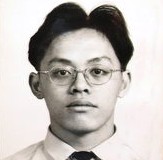
Forensic & Criminological Matrix
| Parameter | Forensic Detail |
|---|---|
| Forensic Heading / Aliases | N/A |
| Legal Identity | Chiang Kuo-ching |
| Confirmed Victims | 0 (Posthumously exonerated) |
| Attributed / Indicted Victims | 1 (Hsieh Jung-chou case) |
| Active Timeline | 1996 |
| Jurisdiction / Area of Operations | Taoyuan Air Base, Taiwan |
| Criminological Classification | Judicial error / State abuse victim |
| Forensic Modus Operandi | N/A (Innocent) |
| Weapon / Mechanism of Death | N/A |
| Motive / Behavioral Dynamics | N/A |
| Judicial Outcome | Executed in 1997; Posthumously exonerated in 2011 |
1. Background and Profile
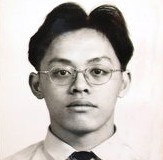
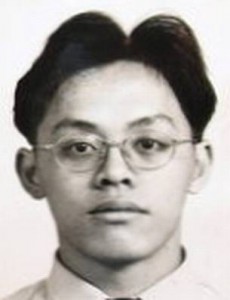
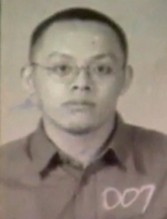
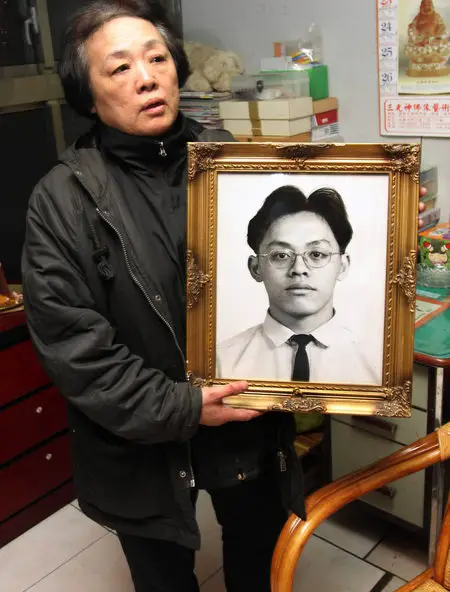
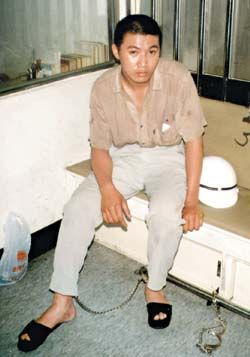
Chiang Kuo-ching was a young conscript serving in the Republic of China Air Force. He had no prior criminal record and was considered a standard recruit before being caught in a catastrophic miscarriage of justice.
2. Crime Spree
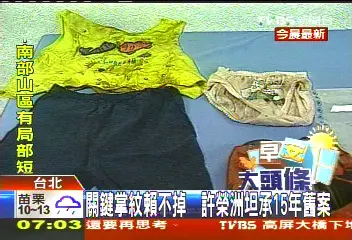
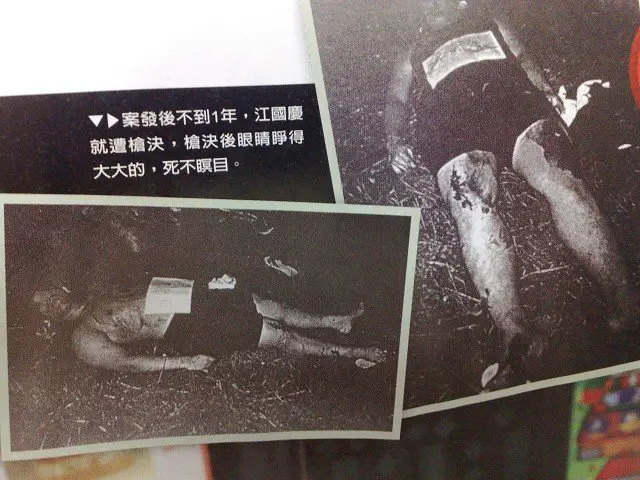
In 1996, a five-year-old girl was found raped and murdered at the Taoyuan Air Base. The military authorities, facing intense public pressure to solve the case, targeted Chiang as the primary suspect.
3. Investigation and Arrest
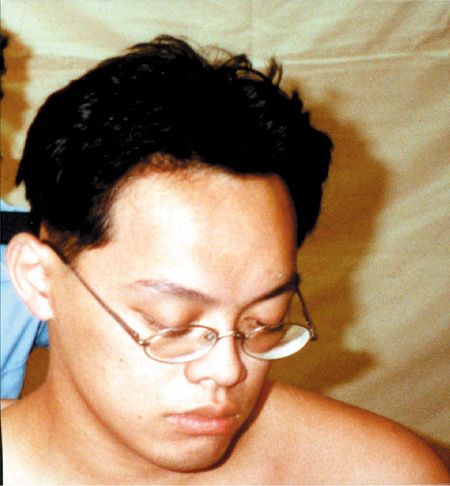
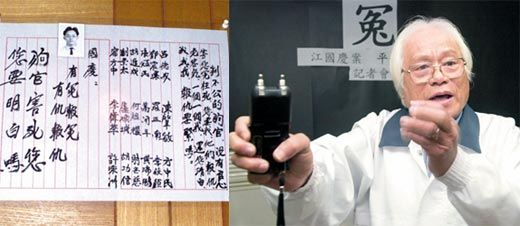
The investigation was marked by severe procedural violations. Chiang was subjected to sleep deprivation, physical torture, and psychological coercion until he provided a false confession. Forensic evidence, specifically DNA, did not match him.
4. Legal Proceedings and Outcome
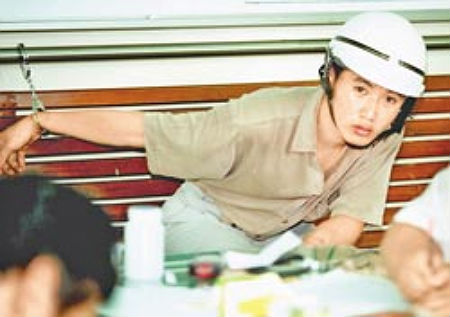
Despite the lack of credible evidence, a military court sentenced Chiang to death. The trial was rushed, and his defense was severely undermined by the military judicial system.
5. Forensic Conclusion and Aftermath
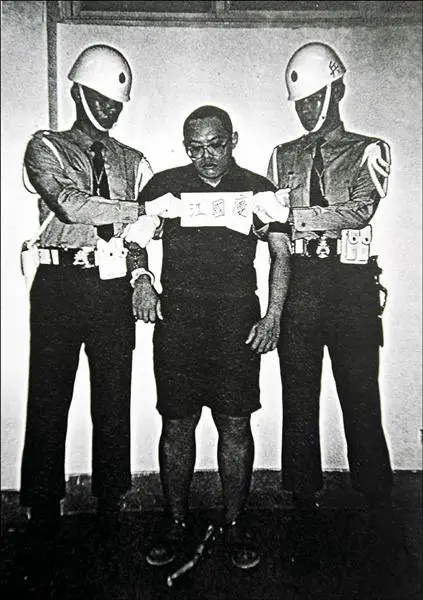
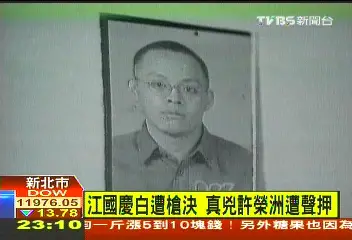
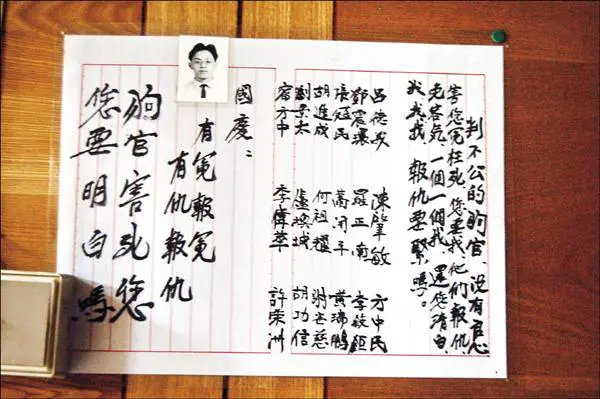
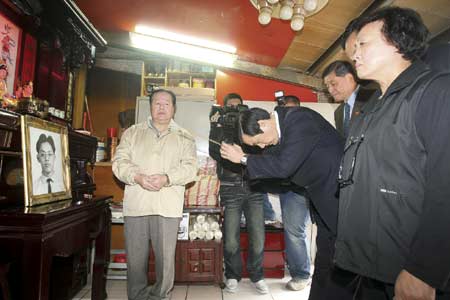
Chiang was executed on August 13, 1997. In 2011, DNA evidence confirmed that the actual perpetrator was Hsieh Jung-chou. The Taiwanese government officially exonerated Chiang, marking a landmark case in the country's legal history regarding the dangers of military courts and coerced confessions.