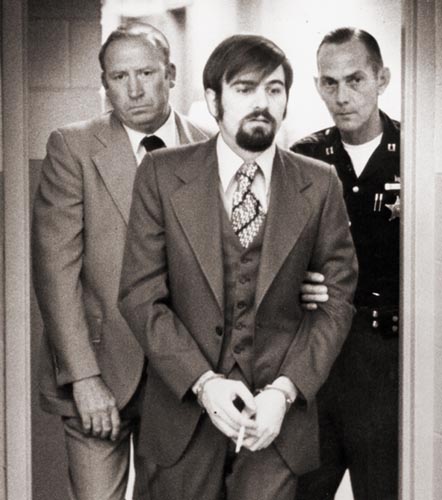





Forensic & Criminological Matrix
| Parameter | Forensic Detail |
|---|---|
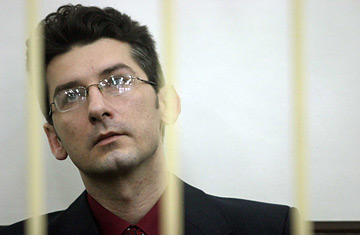
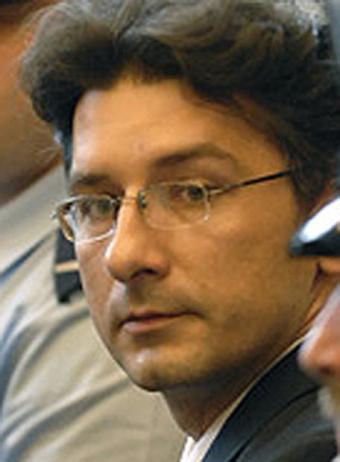
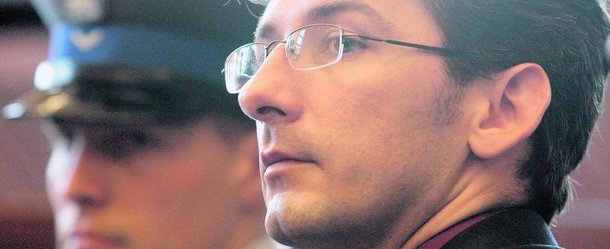
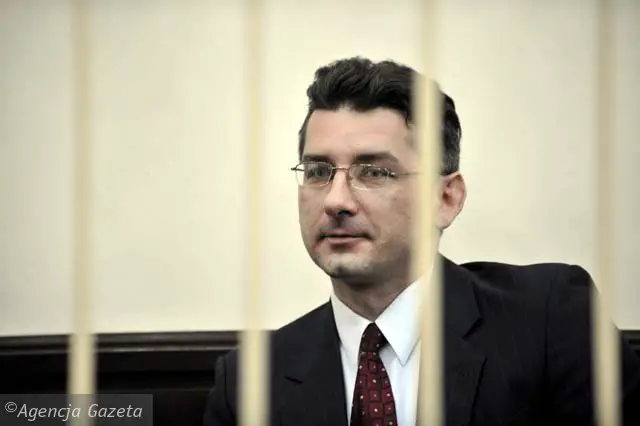
| Full Legal Name | Krystian Bala. |
| Media & Case Moniker | The Amok Novel Murderer / The Wrocław Novelist. |
| Criminological Classification | Pathological jealousy homicide / Narcissistic intellectual confession via fiction. |
| Date of Crime | December 2000. |
| Crime Location | Wrocław, Lower Silesian Voivodeship, Poland. |
| Proven Fatal Victim | Dariusz Janiszewski (aged 35), small advertising agency manager. |
| Modus Operandi | Unlawful abduction, multi-day secret starvation and physical torture, Japanese-style Koshi-himo restrictive ligature tying, and throwing the living bound victim into the Oder River to drown; near-exact replication of crime dynamics subsequently published in his 2003 psychological novel Amok. |
| Sentence | 25 years imprisonment handed down in 2007 (upheld upon appeal in 2008). |
Background and Toxic Obsession
Krystian Bala was born on May 24, 1973, in Poland. Highly educated, he graduated with a degree in philosophy from the University of Wrocław, framing himself as a Nietzschean intellectual, globetrotting travel photographer, and avant-garde existentialist writer.
Behind his academic veneer lurked extreme narcissism, morbid jealousy, and vindictiveness. Following an acrimonious separation from his wife Stanisława, Bala became consumed by the paranoid belief that she had engaged in an affair with Dariusz Janiszewski, a mild-mannered 35-year-old advertising executive who had met Stanisława briefly at a local hotel.
The Murder of Dariusz Janiszewski (2000)
In early December 2000, Dariusz Janiszewski vanished mysteriously after stepping out of his office in downtown Wrocław. Four weeks later, local fishermen discovered a decomposing male body floating in a reservoir along the frozen Oder River near Kotowice.
Forensic examination revealed horrifying pre-death agony: the victim had been starved, beaten, and bound with a complex Japanese rope ligature tying technique. His wrists and neck were bound behind him and tied directly to his feet, causing positional suffocation whenever the legs shifted. The coroner established that Janiszewski was thrown into the river alive with the ligatures intact, drowning in the icy current.
Lacking eyewitnesses or financial leads, the police initially shelved the case as an unsolved cold murder.
The Novel "Amok" and the Digital Trail
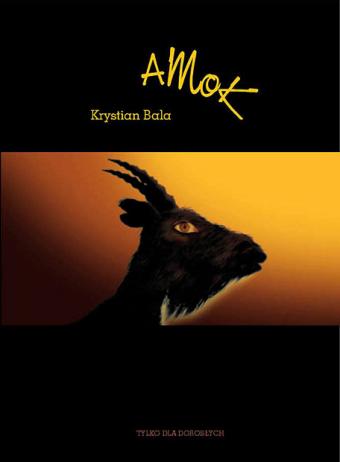
In 2003, Bala self-published a dense, graphic crime novel titled Amok. Written in the first person, the narrative followed an antihero named Chris who kidnaps, tortures, and drowns the alleged lover of his former romantic partner with chilling mathematical indifference.
In 2005, Detective Jacek Wróblewski of the Wrocław Cold Case Squad revisited Janiszewski's file. Re-examining the victim's missing mobile phone, the detective discovered that days after the slaying, the phone had been sold on the Polish auction website Allegro by an account named "ChrisB"—registered directly to Krystian Bala's bank account.
Wróblewski's investigation soon uncovered the existence of Amok. Upon analyzing the text, detectives discovered precise, non-public forensic details matching Janiszewski's homicide that had never been disclosed to the media, including the unique Japanese knotting configuration, specific torture modalities, and the exact staging of the body in the Oder River.
Prosecution and International Notoriety
Bala was arrested in late 2005 upon returning from an expedition in the Pacific. Searches of his property uncovered rope identical to that used to bind the victim, phone booth call records placing him near Janiszewski's office, and internet searches regarding the victim's stolen phone.
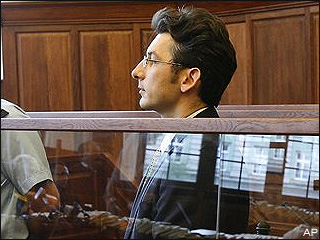
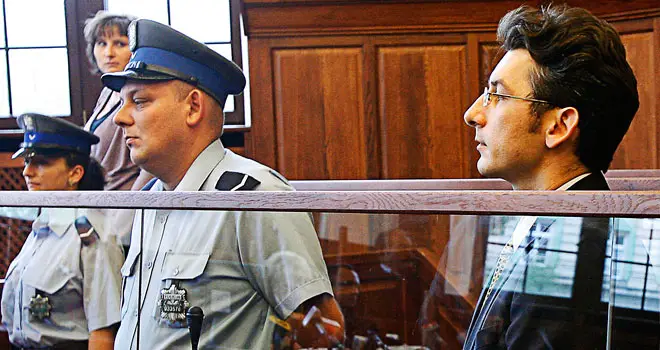
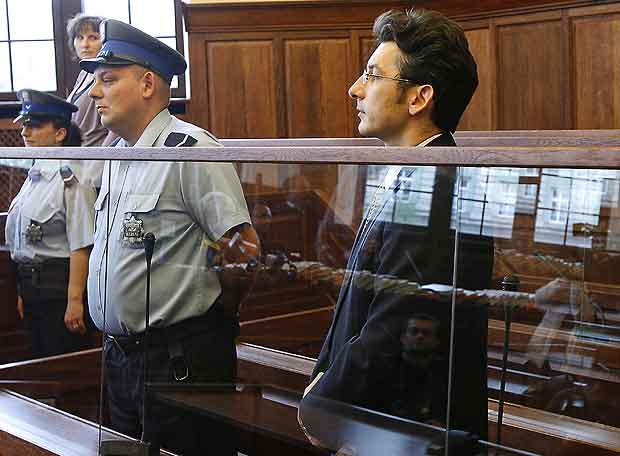
At his 2007 trial in Wrocław Regional Court, Bala claimed that the scenes in Amok were purely fictional products of creative imagination. The court firmly rejected this defense, ruling that the combined physical evidence, financial transactions, and forensic admissions embedded within the book proved Bala's guilt.
Bala was sentenced to 25 years in prison. His crime became an international sensation on narcissistic criminal psychology, featured prominently in David Grann's New Yorker investigative essay and adapted into the 2017 feature film Amok.