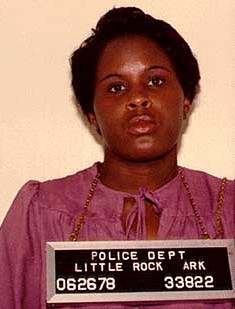





Forensic & Criminological Matrix
| Parameter | Forensic Detail |
|---|---|
| Forensic Heading / Aliases | Mary C. Koontz |
| Legal Identity | Mary Catherine Koontz |
| Confirmed Victims | 1 deceased (Ronald G. Koontz) and 1 attempted (daughter Kelsey) |
| Active Timeline | June 19, 2009 |
| Jurisdiction / Area of Operations | Glen Arm, Baltimore County, Maryland, USA |
| Criminological Classification | Spousal homicide / Failed familicide with psychopathological factors |
| Forensic Modus Operandi | Unlawful entry using a retained key, morning ambush, and execution with a .38 caliber revolver |
| Weapon / Mechanism of Death | .38 caliber revolver (multiple gunshot wounds) |
| Motive / Behavioral Dynamics | Severe dissociative disorders, emotional isolation, and marital dissolution crisis |
| Judicial Outcome | Two consecutive/concurrent life sentences without parole plus weapons charges |
1. Background and Psychopathy
Mary Catherine Koontz, aged 60 at the time of the offense, was a high school English teacher in Sparrows Point, Maryland, and a mother of three. Her life was marked by a long history of emotional fragility and untreated dissociative disorders originating in her youth. After two decades of marriage to Ronald G. Koontz, a school administrator and former wrestling coach, their relationship deteriorated, culminating in her eviction from the family home in November 2007 and relocation to Marco Island, Florida. This forced exile severely exacerbated her isolation, obsessive phone harassment, and cognitive decline.
2. Crime Spree
On June 19, 2009, after returning to Maryland and staying at a Towson hotel, Koontz drove to her former residence on Manor Springs Court in Glen Arm in the early morning hours, using a key she had kept. Armed with a .38 caliber revolver that she routinely carried in her luggage, she entered the master bedroom where Ronald G. Koontz, 67, was sleeping—just days after celebrating his retirement. She shot him four times, causing his death, and subsequently fired at her 16-year-old daughter Kelsey in an attempt to kill her, though the teenager escaped uninjured.
3. Investigation and Forensic Pursuit
Law enforcement and forensic teams responded immediately to the crime scene, recovering the murder weapon and analyzing extensive digital and telephonic evidence of prior harassment. Koontz had subjected her family to dozens of hostile phone calls daily from Florida. The defense anchored its strategy on proving that Koontz was legally insane at the time of the shooting, suffering from profound dissociative episodes that rendered her incapable of understanding the gravity of her actions.
4. Legal Proceedings and Outcome
Koontz was arrested at the scene. During her trial in June 2010 before the Baltimore County Circuit Court, she took the witness stand, testifying with clinical detachment that she felt as though she were watching herself in a movie and could not recall firing the weapon. The jury rejected the insanity defense, finding her criminally responsible. On August 10, 2010, Circuit Judge Thomas J. Bollinger sentenced her to two terms of life imprisonment without parole for first-degree murder and attempted murder, alongside concurrent weapons violations.
5. Psychiatric Evaluation and Final Disposition
Psychiatric evaluations highlighted deep-seated dissociative pathology and untreated emotional instability dating back decades. The sentencing judge recommended evaluating Koontz for admission to the Patuxent Institution in Jessup, a maximum-security facility specializing in psychotherapeutic treatment for violent offenders. The case concluded with profound statements from surviving family members regarding resilience and recovery.