Forensic & Criminological Matrix
| Parameter | Forensic Detail |
|---|---|
| Forensic Heading / Aliases | null |
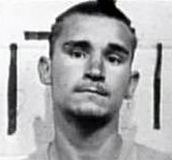
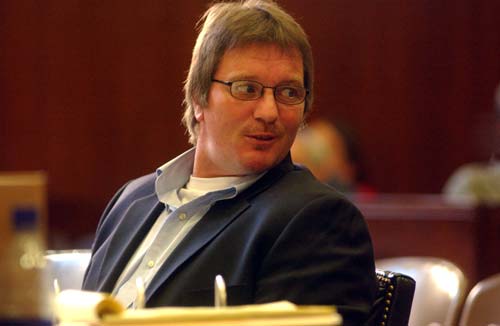
| Legal Identity | John Kogut |
| Confirmed Victims | 0 |
| Attributed / Indicted Victims | 1 |
| Active Timeline | 1984 |
| Jurisdiction / Area of Operations | Lynbrook, New York, USA |
| Criminological Classification | Wrongful conviction / False confession |
| Forensic Modus Operandi | Ligature strangulation |
| Weapon / Mechanism of Death | Rope |
| Motive / Behavioral Dynamics | N/A |
| Judicial Outcome | Acquitted after DNA exoneration |
1. Background and Profile
John Kogut was wrongfully convicted for the 1984 rape and murder of a 16-year-old girl in Lynbrook, New York. His case is a seminal example of the failures of the justice system regarding coerced confessions and unreliable forensic testimony.
2. Crime Spree
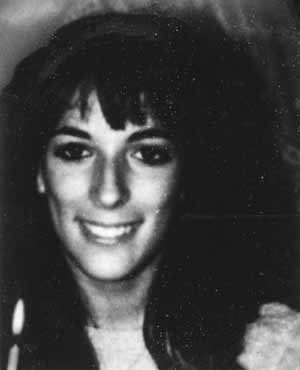
The victim vanished on November 10, 1984, after leaving her job at a roller rink. Her body was discovered on December 5, 1984, in a wooded area. Forensic examination confirmed ligature strangulation and sexual assault, yet the initial investigation failed to perform proper serology.
3. Investigation and Arrest
Police focused on Kogut, Restivo, and Halstead due to intense public pressure. After 18 hours of interrogation, Kogut signed a confession drafted by an officer. The confession lacked any unique knowledge of the crime scene, casting doubt on its validity from the outset.
4. Legal Proceedings and Outcome
In 1986, Kogut was sentenced to 31.5 years to life. The prosecution relied on jailhouse snitch testimony and microscopic hair analysis. In 2003, DNA testing on previously untested vaginal swabs excluded all three men. Furthermore, expert testimony revealed that the hair evidence was contaminated with autopsy samples.
5. Forensic Review and Exoneration
Following the vacating of his conviction, Kogut faced a retrial. His defense successfully introduced expert testimony on false confessions—a first in New York State. Judge Ort found Kogut not guilty, citing the contradiction between the confession and the forensic evidence.