



Forensic & Criminological Matrix
| Parameter | Forensic Detail |
|---|---|
| Forensic Heading / Aliases | None |
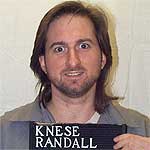
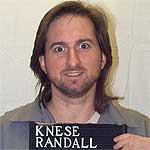
| Legal Identity | Randall B. Knese |
| Confirmed Victims | 1 |
| Attributed / Indicted Victims | 1 |
| Active Timeline | March 23, 1996 |
| Jurisdiction / Area of Operations | St. Charles, Missouri, USA |
| Criminological Classification | Spousal Homicide / Sexual Offender |
| Forensic Modus Operandi | Strangulation, blunt force trauma, and mechanical asphyxia |
| Weapon / Mechanism of Death | Hands, glass shards, and physical force |
| Motive / Behavioral Dynamics | Marital conflict, cocaine abuse, and domestic violence |
| Judicial Outcome | Death penalty (upheld on appeal) |
1. Background and Psychopathy
Randall B. Knese (born 1967) is an American offender whose criminal history is defined by the 1996 murder of his wife, Karin Knese. His profile is characterized by chronic marital instability, substance abuse (specifically cocaine), and a history of domestic violence. His behavior on the day of the crime indicated severe psychomotor agitation, likely linked to drug-induced states.
2. Crime Spree
On the morning of March 23, 1996, following a dispute regarding his drug use, Knese attempted to force his wife into sexual intercourse. When Karin resisted and screamed for help, Knese initiated a violent assault. He used a glass lampshade to inflict multiple wounds, strangled her until his thumb penetrated her neck, and ultimately stood on her neck for several minutes to ensure her death.
3. Investigation and Arrest
Police were alerted after Knese was observed acting erratically in the neighborhood, including jumping on a car hood. Upon arrest, he was bloodied and injured. He initially claimed the "devil" made him do it, later shifting blame to the victim. Officers discovered Karin Knese's body in their home, confirming the sexual nature of the assault.
4. Legal Proceedings and Outcome
Knese waived his Miranda rights and provided multiple detailed confessions. During his trial, the defense argued that his mental state, influenced by cocaine, rendered his confessions involuntary. The court rejected this, finding his statements coherent and voluntary. He was sentenced to death, a verdict affirmed by the Missouri Supreme Court, which found sufficient evidence of deliberation and rejected claims regarding the prejudicial nature of crime scene evidence.