




Forensic & Criminological Matrix
| Parameter | Forensic Detail |
|---|---|
| Forensic Heading / Aliases | Milkshake Murderer |
| Legal Identity | Nancy Ann Kissel |
| Confirmed Victims | 1 (Robert Peter Kissel) |
| Active Timeline | November 2, 2003 |
| Jurisdiction / Area of Operations | Hong Kong |
| Criminological Classification | Spousal homicide / Premeditated murder |
| Forensic Modus Operandi | Chemical submission via sedatives concealed in a milkshake, followed by blunt force trauma and concealment of remains |
| Weapon / Mechanism of Death | Laced milkshake and heavy metal ornament |
| Motive / Behavioral Dynamics | Marital breakdown, financial disputes, and control over assets |
| Judicial Outcome | Life imprisonment (conviction upheld in 2011 retrial after a 2010 appeal overturn) |
1. Background and Psychopathy
Nancy Ann Kissel was an American expatriate residing in Hong Kong alongside her husband, Robert Peter Kissel, a high-profile investment banker. Living within the elite and affluent expatriate community, the couple projected an image of stability and wealth. Behind closed doors, however, the marriage suffered from profound deterioration, infidelity accusations, and intense financial disagreements.
2. Criminal Career and Modus Operandi
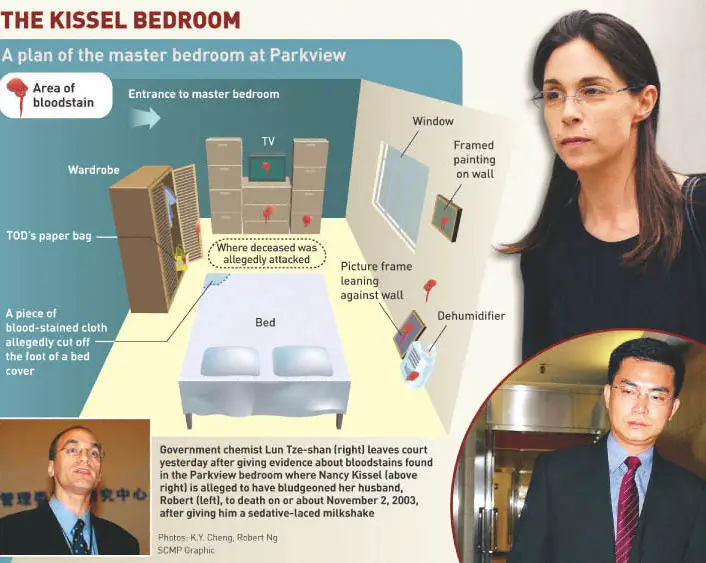
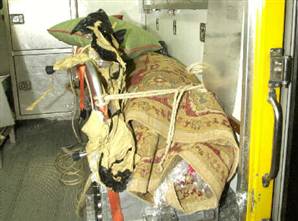
On November 2, 2003, Nancy Kissel executed a carefully planned murder. She prepared a strawberry milkshake laced with a powerful cocktail of sedatives. After inducing her husband to drink it, Robert became severely incapacitated. While he was in a state of chemical helplessness, Nancy bludgeoned him to death using a heavy metal ornament. She subsequently wrapped his body in a rug, attempting to conceal the homicide within their apartment.
3. Investigation and Arrest
Following Robert Kissel's disappearance, local law enforcement launched an intensive investigation. Crime scene technicians executed a meticulous search of the residence, uncovering hidden blood spatter, forensic traces, and undeniable evidence pointing to foul play. Toxicological analyses subsequently confirmed high concentrations of sedatives in the victim's system, thoroughly dismantling Nancy's initial claims of innocence and self-defense.
4. Legal Proceedings and Outcome
Arrested and charged with murder, Nancy became the center of one of Hong Kong's most sensational trials. In 2005, she was found guilty and sentenced to life imprisonment. In February 2010, the Court of Final Appeal overturned the conviction due to judicial and procedural errors, ordering a retrial. At the conclusion of the retrial on March 25, 2011, a jury once again found her guilty of murder, restoring her mandatory life sentence at the Tai Lam Centre for Women.
5. Psychiatric Evaluation and Final Verdict
Throughout the legal proceedings, the defense strategy centered on claims of battered woman syndrome, asserting that Nancy acted in self-defense against alleged domestic abuse. Nevertheless, psychological evaluations and forensic evidence highlighted the clear premeditation and calculated nature of the poisoning and bludgeoning. The court rejected the defense claims, establishing her definitive culpability.