



Forensic & Criminological Matrix
| Parameter | Forensic Detail |
|---|---|
| Forensic Heading / Aliases | N/A |
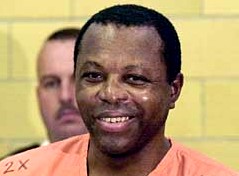
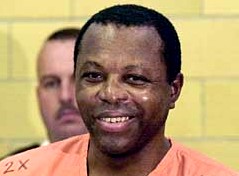
| Legal Identity | Amos Lee King Jr. |
| Confirmed Victims | 1 |
| Attributed / Indicted Victims | 1 |
| Active Timeline | 1977 |
| Jurisdiction / Area of Operations | Tarpon Springs, Florida |
| Criminological Classification | Murderer, sexual offender, arsonist |
| Forensic Modus Operandi | Home invasion, sexual assault, stabbing, arson |
| Weapon / Mechanism of Death | Knife / Stabbing and Fire |
| Motive / Behavioral Dynamics | Violent crime, sexual assault |
| Judicial Outcome | Death penalty, executed February 26, 2003 |
1. Background and Profile
Amos Lee King Jr. was an inmate at the Tarpon Springs Community Correctional Center, a minimum-security work-release facility. His case became a focal point for debates regarding the death penalty, specifically concerning the quality of state-appointed legal counsel and the potential for wrongful conviction.
2. Criminal Career and Modus Operandi
In the early hours of March 18, 1977, King escaped from the correctional facility. He entered the home of Natalie Brady, where he robbed, sexually assaulted, and stabbed her to death. He then set the house on fire, a move intended to destroy forensic evidence, which significantly hampered the subsequent investigation.
3. Investigation and Arrest
The prosecution relied heavily on circumstantial evidence. Defense attorneys later argued that the state's destruction of key evidence—specifically semen-infused vaginal washings—two years after the trial prevented conclusive DNA testing. King's blood type was common, and no direct blood evidence was presented at trial.
4. Legal Proceedings and Outcome
King's trial was marred by ineffective assistance of counsel. His lead attorney, Thomas Cole, was documented as being exhausted and unprepared. Although the 11th Circuit Court of Appeals vacated his death sentence in 1983 due to these failures, the sentence was eventually reinstated. King spent over two decades on death row, filing numerous appeals.
5. Forensic Psychiatry and Final Outcome
King consistently maintained his innocence, claiming he was the victim of perjured testimony. Despite last-minute stays of execution granted by Governor Jeb Bush for DNA testing, the results were inconclusive. Amos Lee King was executed by lethal injection on February 26, 2003, becoming the 55th person executed in Florida since the reinstatement of the death penalty.