Forensic & Criminological Matrix
| Parameter | Forensic Detail |
|---|---|
| Forensic Heading / Aliases | N/A |
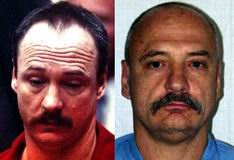
| Legal Identity | Lester Kills On Top |
| Confirmed Victims | 1 |
| Attributed / Indicted Victims | 1 |
| Active Timeline | October 17, 1987 |
| Jurisdiction / Area of Operations | Montana and Wyoming, USA |
| Criminological Classification | Murderer / Kidnapper |
| Forensic Modus Operandi | Abduction, robbery, and blunt force homicide |
| Weapon / Mechanism of Death | Metal pipe |
| Motive / Behavioral Dynamics | Criminal gain and random violence |
| Judicial Outcome | Life imprisonment without parole |
1. Background and Profile
Lester Kills On Top, a full-blooded member of the Northern Cheyenne tribe, was born in 1962. His upbringing was characterized by significant instability, including alcoholic parents and a history of being shuffled through various foster homes on and off the reservation. Despite his cultural background, he fell into a cycle of criminal behavior.
2. Crime Spree
On October 17, 1987, Lester and his brother Vern, accompanied by Diane Bull Coming and Doretta Four Bear, abducted John Martin Etchemendy from a bar in Miles City, Montana. The group forced the victim into the trunk of their car, drove across state lines, and ultimately murdered him near Gillette, Wyoming, using a metal pipe.
3. Investigation and Arrest
The investigation faced significant jurisdictional challenges due to the crime spanning across Montana and Wyoming, as well as tribal lands. Law enforcement successfully tracked the group's movements, leading to their arrest and the subsequent legal proceedings.
4. Legal Proceedings and Outcome
Initially sentenced to death in 1988, Lester's case underwent extensive legal maneuvering. In 1995, the Montana Supreme Court ordered a resentencing after his defense argued that the state had withheld evidence. His sentence was eventually reduced to two life terms without the possibility of parole.
5. Behavioral Dynamics and Current Status
While incarcerated, Lester has reportedly turned to Christianity and Bible study. His transition from a violent offender to a prisoner focused on religious practice highlights the complex behavioral shifts often observed in long-term inmates.