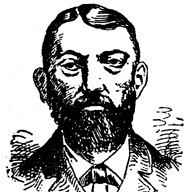
Forensic & Criminological Matrix
| Parameter | Forensic Detail |
|---|---|
| Forensic Heading / Aliases | John Hart |
| Legal Identity | William Francis Kemmler |
| Confirmed Victims | 1 |
| Attributed / Indicted Victims | 1 |
| Active Timeline | 1889 |
| Jurisdiction / Area of Operations | Buffalo, New York, USA |
| Criminological Classification | Domestic Homicide |
| Forensic Modus Operandi | Blunt force trauma via hatchet |
| Weapon / Mechanism of Death | Hatchet |
| Motive / Behavioral Dynamics | Jealousy and domestic conflict |
| Judicial Outcome | Death penalty (electrocution) |
1. Background and Psychopathy
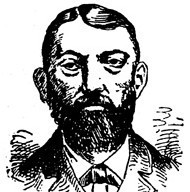
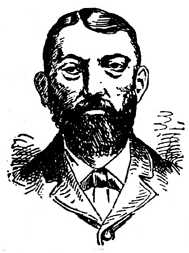
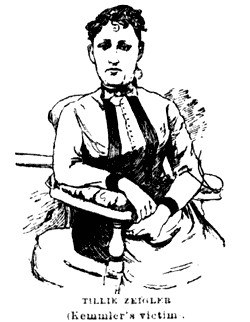
William Francis Kemmler was born in Philadelphia in 1860. A vegetable peddler in Buffalo, New York, his life was characterized by chronic alcoholism and volatile behavior. These traits fueled a toxic relationship with his common-law wife, Matilda "Tillie" Ziegler.
2. Crime Spree
On March 29, 1889, following a heated argument, Kemmler attacked Matilda Ziegler with a hatchet. He struck her multiple times in the head, resulting in fatal injuries. The brutality of the act and the immediate confession left little room for defense.
3. Investigation and Arrest
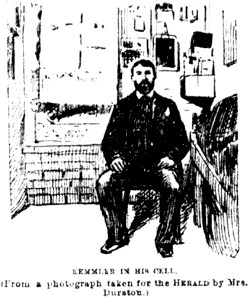
Local law enforcement apprehended Kemmler shortly after the incident. The forensic evidence, including the blood-stained hatchet, was secured at the scene. His confession provided the prosecution with a straightforward path to conviction.
4. Legal Proceedings and Outcome
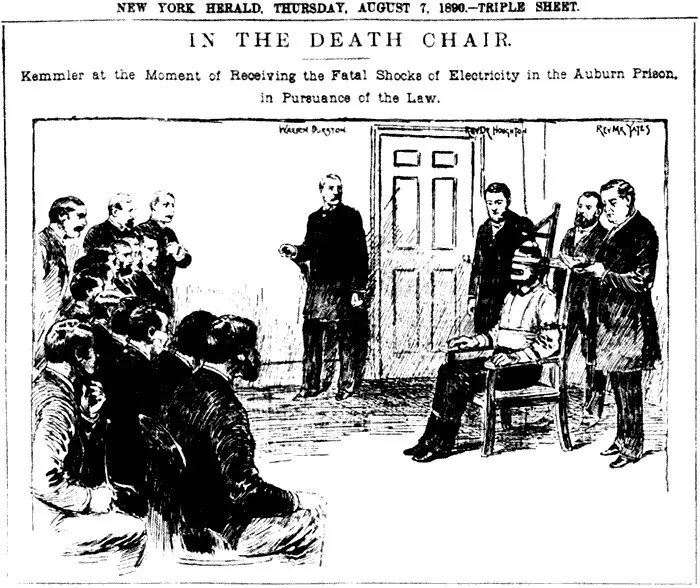
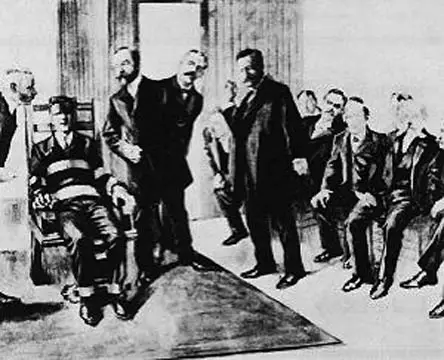
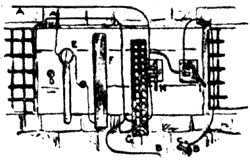
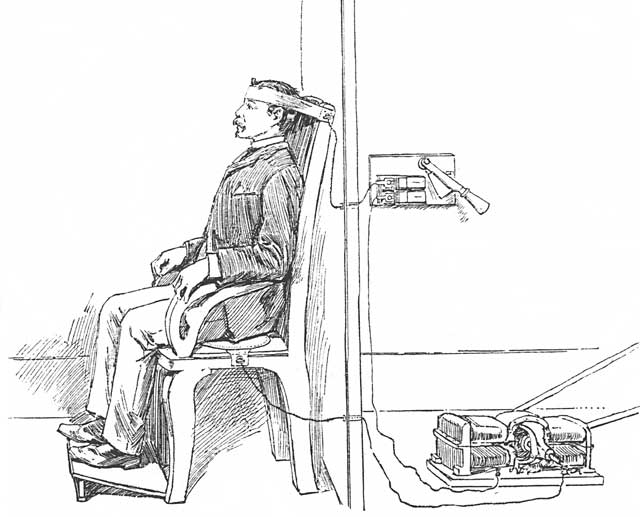
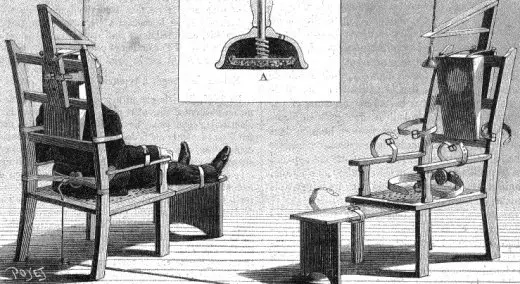
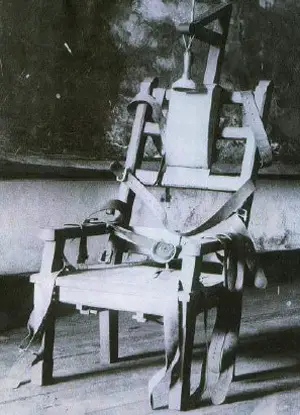
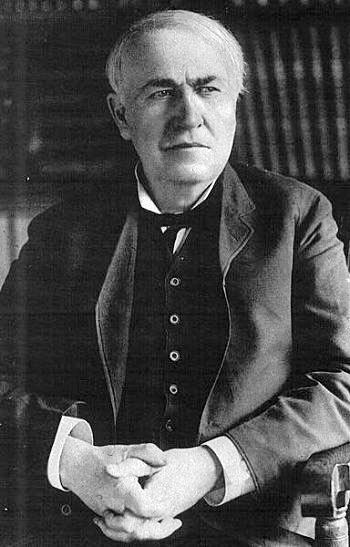
Kemmler was convicted of first-degree murder. His case became a focal point in the "War of Currents" between Thomas Edison and George Westinghouse, as he was chosen to be the first human subject for the newly developed electric chair.
5. Forensic Report and Execution
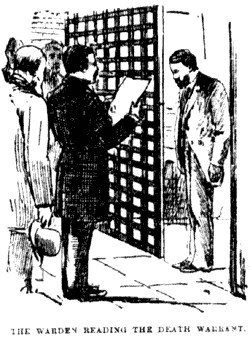
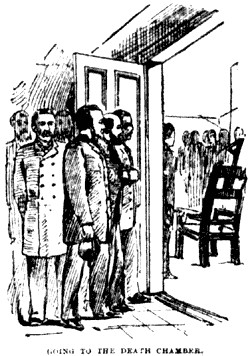
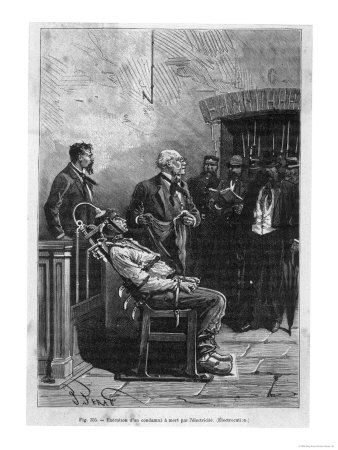
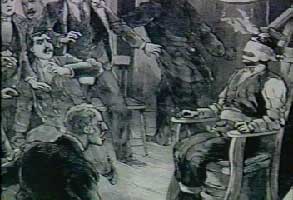
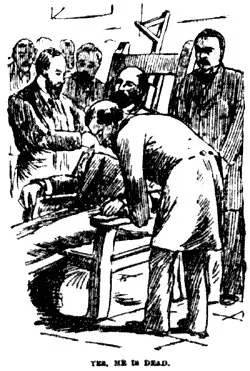
The execution occurred on August 6, 1890, at Auburn Prison. The procedure was botched, as the first electrical surge failed to kill him, necessitating a second, longer application of current. This event remains a landmark in the history of capital punishment and forensic technology.