



Forensic & Criminological Matrix
| Parameter | Forensic Detail |
|---|---|
| Forensic Heading / Aliases | None |
| Legal Identity | Doyle Kelley |
| Confirmed Victims | 2 |
| Attributed / Indicted Victims | 2 |
| Active Timeline | 1991-1993 |
| Jurisdiction / Area of Operations | Joplin, Missouri, USA |
| Criminological Classification | Uxoricide (Spousal Murderer) |
| Forensic Modus Operandi | Strangulation and drowning |
| Weapon / Mechanism of Death | Soft ligature and blunt force trauma/drowning |
| Motive / Behavioral Dynamics | Coercive control and pathological jealousy |
| Judicial Outcome | Imprisoned (Conviction affirmed for Diana Kelley's murder) |
1. Background and Psychopathy
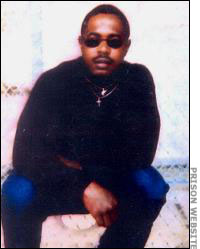
Doyle Kelley (born 1959) is an American offender convicted of the murders of his wives, Diana and Christy Kelley. His criminal behavior is consistent with that of a domestic abuser who utilized extreme coercive control. Both victims had previously expressed fear of Kelley and had initiated separation processes, which served as the primary catalyst for his lethal violence.
2. Crime Spree
Kelley's modus operandi involved physical battery followed by lethal force. Diana Kelley died from soft ligature strangulation, while Christy Kelley died from drowning following blunt force trauma to the forehead. Kelley attempted to stage the scenes as accidents and destroyed evidence, including a St. Christopher medal belonging to Diana, to hinder the investigation.
3. Investigation and Forensic Hunt
The investigation relied heavily on forensic pathology. Dr. Jill Gould's 1993 exhumation and autopsy of Diana revealed injuries to the hyoid bone and esophagus consistent with strangulation. A key breakthrough occurred when Lonnie Bell, a fellow inmate at the Jasper County jail, testified that Kelley had confessed to strangling both women.
4. Legal Proceedings and Outcome
Kelley's trial in Jasper County involved complex legal arguments regarding the joinder of the two murder charges and the admissibility of hearsay evidence. Despite defense efforts to suppress testimony and challenge the joinder, the court affirmed the conviction for Diana's murder. The case remains a significant study in the use of jailhouse informant testimony and the admissibility of victim state-of-mind evidence in domestic homicide cases.