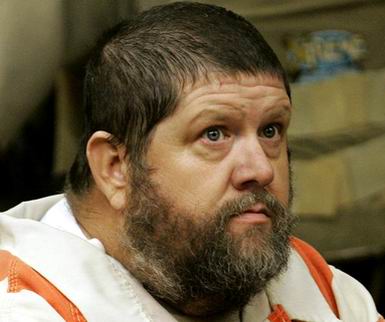




Forensic & Criminological Matrix
| Parameter | Forensic Detail |
|---|---|
| Forensic Heading / Aliases | None recorded |
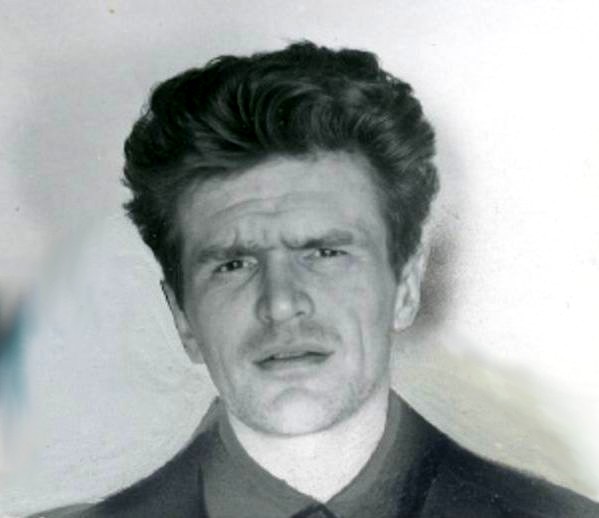
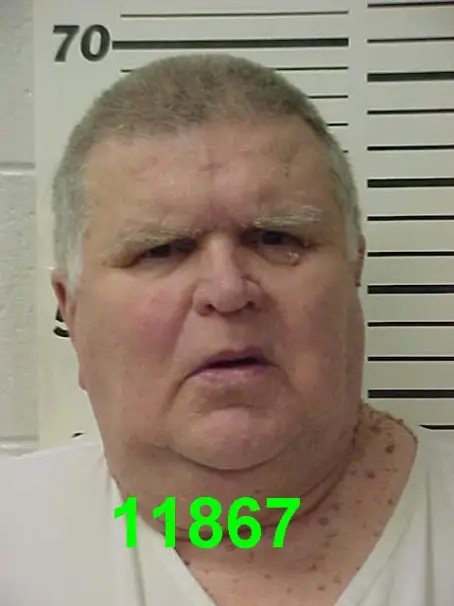
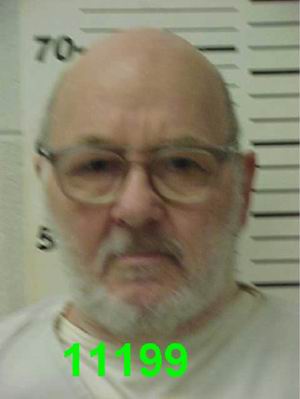
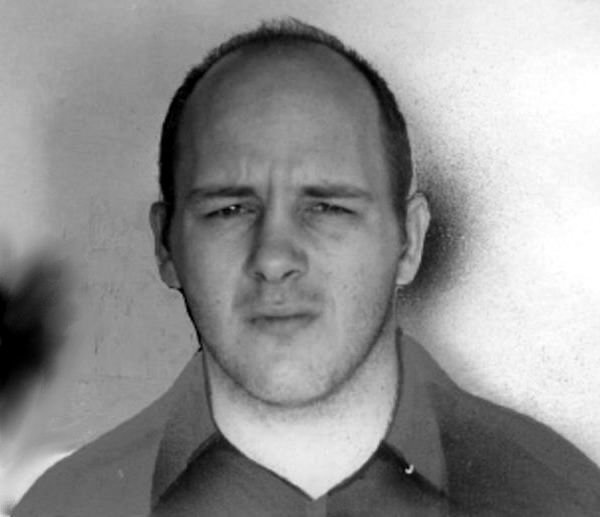
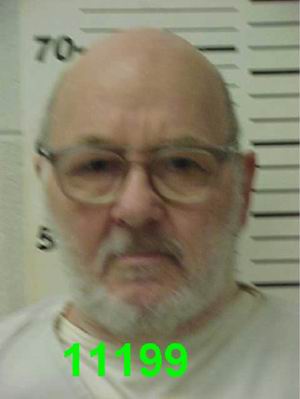
| Legal Identity | Walter B. Kelbach |
| Confirmed Victims | 6 |
| Attributed / Indicted Victims | 6 |
| Active Timeline | December 1966 |
| Jurisdiction / Area of Operations | Utah, United States |
| Criminological Classification | Mass Murderer |
| Forensic Modus Operandi | Violent assaults, rape, and homicide via knife and firearm |
| Weapon / Mechanism of Death | Knife and firearms |
| Motive / Behavioral Dynamics | Sadistic psychopathy and vicarious gratification |
| Judicial Outcome | Life imprisonment |
1. Background and Profile
Walter B. Kelbach (born 1938) is an American criminal whose violent spree in December 1966 marked him as a significant case in criminological history. His psychological profile, as noted in forensic reports, indicates a profound lack of empathy and a pathological inclination toward gratuitous violence. His courtroom statement, "I don’t mind people getting hurt because I just like to watch it," confirms a sadistic personality structure.
2. Criminal Career and Modus Operandi
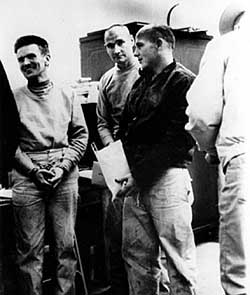
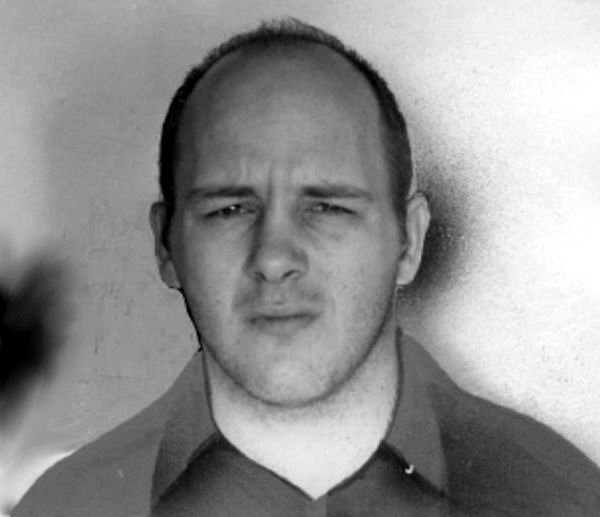
Alongside his accomplice Myron Lance, Kelbach engaged in a five-day crime spree across Utah. Their modus operandi involved the random targeting of victims, whom they subjected to robbery, sexual assault, and summary execution using knives and firearms. The intensity and frequency of these acts classify them as mass murderers.
3. Investigation and Arrest
The rapid succession of crimes within a five-day window triggered an intensive law enforcement response in Utah. Forensic evidence gathered from the crime scenes, including ballistic analysis and witness testimony, led to the identification and subsequent arrest of Kelbach and Lance.
4. Legal Proceedings and Outcome
Following their arrest, both men faced trial. The prosecution presented overwhelming evidence of their involvement in the six homicides. Kelbach was convicted and sentenced to life imprisonment, reflecting the severity of his crimes and the danger he posed to society.
5. Psychiatric Evaluation and Conclusion
Psychiatric evaluations highlighted a severe antisocial personality disorder. Kelbach remains incarcerated, serving his sentence for the six murders that remain a subject of study within the CRIMETECA archives due to their extreme brutality and the perpetrator's lack of remorse.