



Forensic & Criminological Matrix
| Parameter | Forensic Detail |
|---|---|
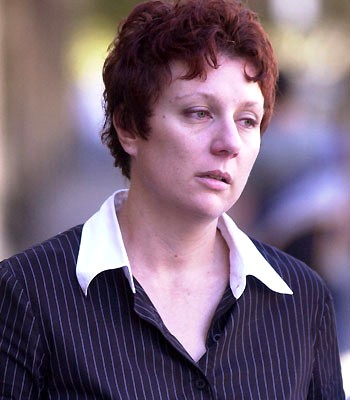
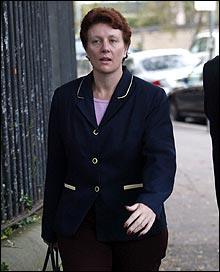
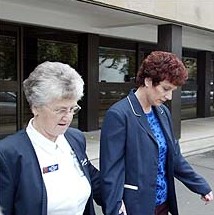
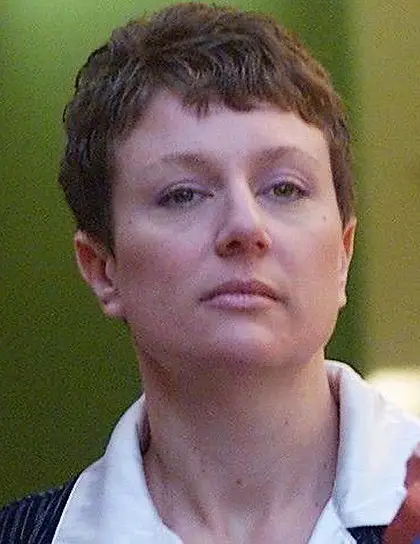
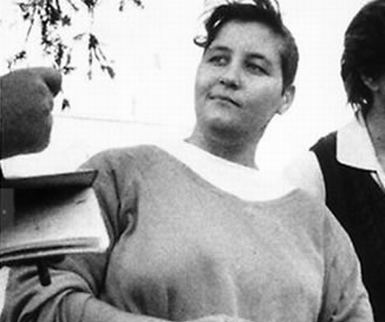
| Legal Identity | Kathleen Megan Folbigg. |
| Criminological Status | Historically wrongfully convicted as Australia's worst female serial killer; fully exonerated and declared factually innocent in 2023. |
| Infant Deaths Window | 1989 – 1999. |
| Location | Hunter Valley and Newcastle, New South Wales, Australia. |
| Initial Conviction (2003) | 3 counts of murder and 1 count of manslaughter. Sentenced to 40 years imprisonment. |
| Final Judgment (2023) | Unconditional gubernatorial pardon granted in June 2023; convictions unanimously quashed by the NSW Court of Criminal Appeal on December 14, 2023. |
Background and Family Tragedies
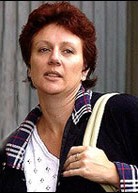
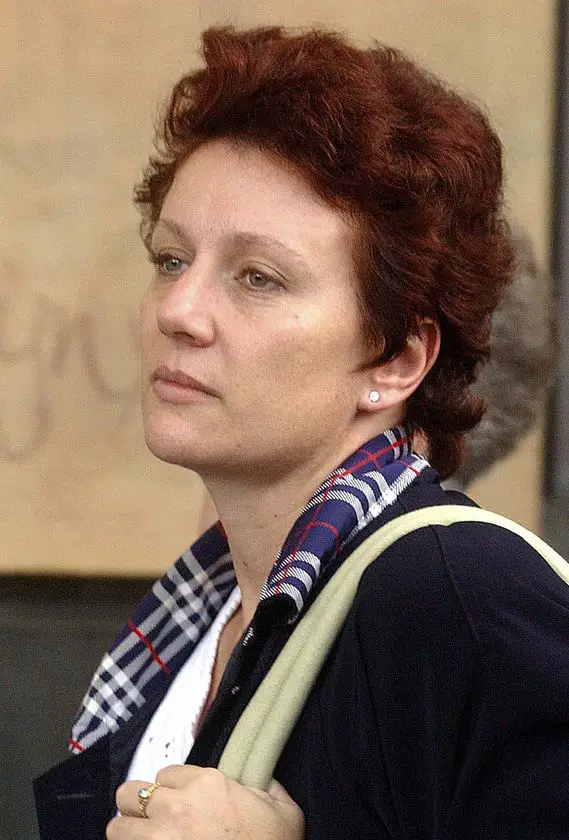
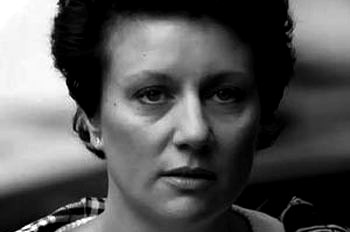
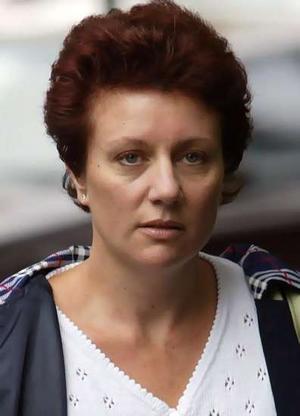
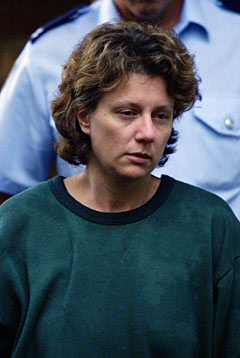
Kathleen Megan Folbigg was born on June 14, 1967. Following a harrowing childhood during which her father murdered her mother when Kathleen was an infant, she married Craig Folbigg in 1987. Between 1989 and 1999, she gave birth to four children—Caleb, Patrick, Sarah, and Laura. Each infant died suddenly in their cribs before reaching their second birthday.
Autopsies found no signs of physical abuse, petechial hemorrhages, or smothering trauma. However, following Laura's death, Craig Folbigg discovered Kathleen's private diaries in which she vented despair, chronic sleep exhaustion, and intense maternal guilt. Reading her sorrow as indirect admissions of murder, he handed them to detectives.
The 2003 Prosecution and Meadow's Fallacy
At her 2003 trial, Crown prosecutors relied heavily on out-of-context excerpts from her diaries and the widely debunked statistical presumption known as "Meadow's Law" (coined by British pediatrician Roy Meadow: "One sudden infant death is a tragedy, two is suspicious, and three is murder until proven otherwise").
Ignoring known clinical indications—such as Laura's verified acute heart infection (myocarditis) and Patrick's documented severe blindness and intractable epilepsy—the jury accepted the proposition that four natural cot deaths in a single family were statistically impossible without deliberate suffocation. Folbigg was branded by media as "Australia's most hated serial killer" and sentenced to 40 years in maximum security.
The Genomic Breakthrough: CALM2 Mutation
Throughout two decades of incarceration, Folbigg steadfastly maintained her innocence. In 2018, supported by the Australian Academy of Science, a team of world-leading medical researchers led by Professor Carola Vinuesa sequenced the exomes of Folbigg and her four deceased infants.
The research revealed that Kathleen Folbigg and her two daughters (Sarah and Laura) harbored a novel, pathogenic mutation in the CALM2 gene (the G114R variant). This genetic anomaly disrupts calmodulin, inducing lethal cardiac arrhythmias, long QT syndrome, and unheralded nocturnal sudden infant death. In addition, the two boys (Caleb and Patrick) were found to carry compound heterozygous variants in the BSN (Bassoon) gene, linked to lethal early-onset neurodegenerative epileptic seizures.
Exoneration and Landmark Legal Precedent
Ninety prominent scientists petitioned the NSW government, prompting a formal judicial inquiry led by former Chief Justice Tom Bathurst KC in 2022. The inquiry concluded there was overwhelming reasonable doubt as to Folbigg's guilt and that natural genetic and medical causes accounted for the children's deaths.
On June 5, 2023, Kathleen Folbigg was granted an unconditional royal pardon and released from prison after 20 years. On December 14, 2023, the Court of Criminal Appeal formally vacated every single criminal conviction. The Folbigg case now stands globally as a monumental turning point for science in the courtroom, illustrating the lethal perils of medical prejudice and the power of genomic forensic medicine.