




Forensic & Criminological Matrix
| Parameter | Forensic Detail |
|---|---|
| Full Legal Name | Catherine Lawler Webster (known as Kate Webster) |
| Media Monikers | The Richmond Dismemberer, The Barnes Mystery |
| Nationality | Irish |
| Date of Birth | 1849, Killanne, County Wexford, Ireland |
| Date of Death | July 29, 1879 (aged 30, executed by hanging by William Marwood at Wandsworth Prison, London) |
| Historical Penal Status | Convicted of capital murder at the Central Criminal Court (Old Bailey); executed |
| Confirmed Murder Victims | 1 (her employer, 55-year-old widow Julia Martha Thomas) |
| Date of Offense | March 2, 1879 |
| Geographic Jurisdiction | 2 Vine Cottages, Park Road, Richmond, Surrey (now Greater London), England |
| Forensic Lethal Mechanics | Fall from staircase, manual strangulation, and blunt craniocerebral trauma |
| Post-Mortem Deviance | Decapitation, dismemberment with butcher knives and meat saws, boiling human tissue in a copper laundry vat, skimming fat for lard, and river disposal |
| Primary Criminal Motive | Vindicative rage following employment dismissal, fraudulent identity theft, and asset liquidation |
1. Criminological Trajectory and Sociopathic Persona
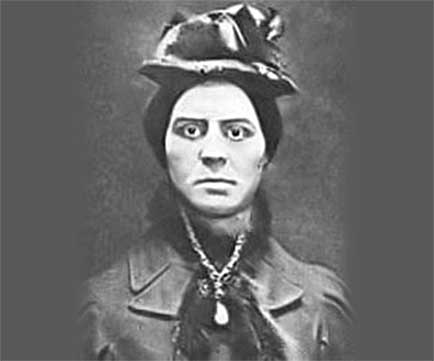
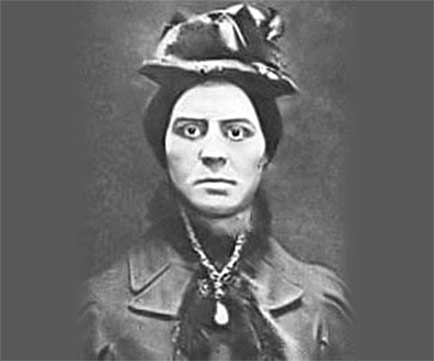
Catherine "Kate" Webster is at the center of one of the most gruesome domestic homicide cases in Victorian British history, popularized in the 1879 tabloid press as The Barnes Mystery. Born into severe rural poverty in County Wexford, Ireland, Webster compiled an extensive record of larceny, fraud, and theft in Dublin and Liverpool before settling in London.
Brawny, volatile, and chronically addicted to alcohol, Webster adopted aliases and forged character references to obtain domestic employment. In January 1879, she was hired as a general servant by Julia Martha Thomas, an eccentric, devout, and fastidious widow residing alone in affluent Richmond.
2. The Murder at Vine Cottages (March 2, 1879)
Relations between mistress and servant soured immediately due to Webster's frequent drinking bouts and insolence:
- On February 28, 1879, Mrs. Thomas formally dismissed Webster, ordering her to vacate the premises by the following week.
- On Sunday evening, March 2, 1879, Mrs. Thomas returned from church services and reprimanded Webster for arriving late. A physical confrontation erupted on the upper landing.
- Enraged, Webster pushed the widow down the staircase. Rushing down and finding Mrs. Thomas stunned, Webster throttled her windpipe until she suffocated.
3. Forensic Butchery, Boiling, and Dispersal
To conceal the homicide and pillage the estate, Webster embarked upon an extraordinary dissection:
- Dismemberment: Dragging the corpse into the basement scullery, she severed the head with a carving knife and dissected the limbs with a butcher's saw.
- Boiling the Flesh: She placed the body parts into a copper laundry copper over an open fire, boiling the tissues for hours to strip flesh from bone and minimize recognizable volume.
- The "Dripping" Legend: Webster admitted skimming the melted rendered human fat from the vat, distributing jars of the grease to neighbors and pub acquaintances under the guise of premium pig lard.
- River Disposal: She packed remaining cooked tissue and bones into a wooden packing box and a Gladstone travel bag, hurling the crate from Barnes Bridge into the River Thames and burying the severed skull near The Hole in the Wall public house.
- Impersonation: Posing as Mrs. Thomas or her designated executrix, Webster wore the victim's silk dresses and jewelry for two weeks, contracting auctioneers to liquidate the entire furnishings and silver plate of the residence.
4. The Thames Discovery and Irish Capture
On March 4, 1879, a waterman discovered the packing crate washed ashore at Barnes, containing cooked human remains.
Concurrently, suspicious furniture removers alerted neighbors. When Richmond police searched 2 Vine Cottages on March 18, they discovered blood spatter, charred bone fragments in the fireplace, and the greasy laundry copper.
Webster fled to Ireland with her young son, hiding in Killanne. Scotland Yard detectives extradited her back to London amidst hostile crowds.
5. Trial, Execution, and the 2010 Skull Discovery
Tried at the Old Bailey in July 1879, Webster attempted to implicate innocent acquaintances, but overwhelming circumstantial, property, and forensic testimony secured her conviction in barely one hour. She made a last-ditch plea of pregnancy to stay execution, which was promptly dismissed by a formal jury of matrons.
On July 28, she confessed the murder in full detail to the prison chaplain. On July 29, 1879, Kate Webster was hanged by William Marwood at Wandsworth Prison.
In an astonishing postscript in October 2010, construction workers excavating an estate owned by broadcaster Sir David Attenborough in Richmond uncovered a human skull: forensic anthropologists and radiocarbon tests positively identified it as the missing skull of Julia Martha Thomas, buried 131 years earlier.