


Forensic & Criminological Matrix
| Parameter | Forensic Detail |
|---|---|
| Forensic Heading / Aliases | Gu Kailai |
| Legal Identity | Gu Kailai |
| Confirmed Victims | 1 (Neil Heywood) |
| Active Timeline | 2011 |
| Jurisdiction / Area of Operations | Chongqing, People's Republic of China |
| Criminological Classification | Poisoning Murder / Political-Financial Crime |
| Forensic Modus Operandi | Surreptitious administration of toxic substances (cyanide) in a controlled environment with an accomplice. |
| Weapon / Mechanism of Death | Cyanide (oral poisoning) |
| Motive / Behavioral Dynamics | Financial disputes and protection of family political status |
| Judicial Outcome | Convicted and sentenced to death with a two-year reprieve in 2012, commuted to life imprisonment in 2015. |
1. Background and Profile
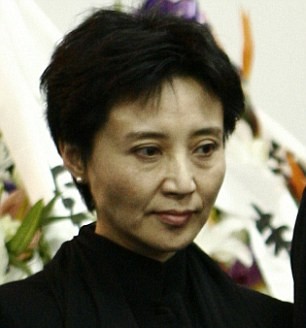
Gu Kailai, born in 1958, emerged from an elite military background in China to establish herself as a successful attorney and businesswoman. Her trajectory intersected deeply with high-level politics upon becoming the second wife of Bo Xilai, an influential Politburo member. This union positioned her within the upper echelons of the Chinese Communist Party, intertwining her professional life with high-stakes financial operations and political intrigue.
2. Crime Spree and Modus Operandi
The homicide occurred in November 2011 inside a hotel in Chongqing. The victim was British businessman Neil Heywood, a former associate who became embroiled in a bitter financial and personal dispute with Gu. Perceiving Heywood as a direct threat to the safety of her son, Gu planned his elimination. Aided by a household orderly, she administered cyanide to Heywood, initially attempting to mask the homicide as acute alcohol poisoning to avoid detection.
3. Investigation and Forensic Hunt
The crime was initially suppressed due to the immense political influence wielded by Bo Xilai in Chongqing. However, the political fallout following the defection attempt of police chief Wang Lijun to the U.S. Consulate in early 2012 forced a national reinvestigation. Central authorities exhumed the case, uncovering forensic evidence confirming cyanide poisoning and implicating Gu directly in the execution of the crime.
4. Legal Proceedings and Outcome
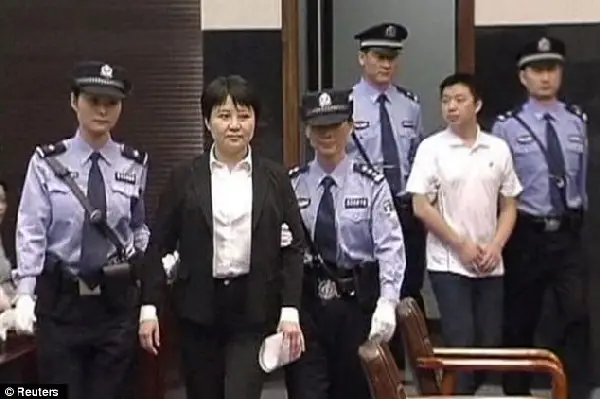
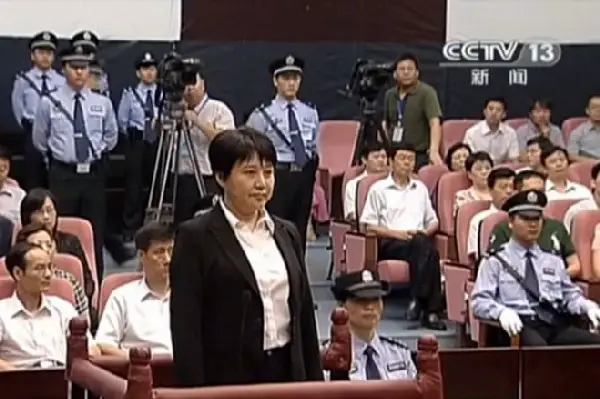
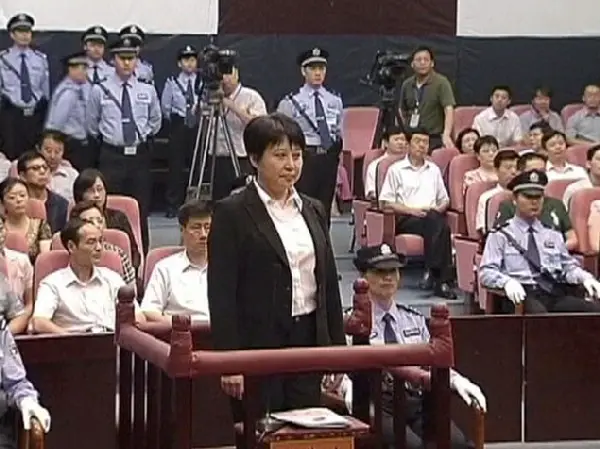
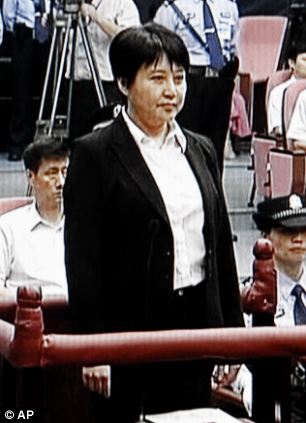
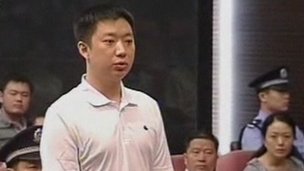
In August 2012, Gu stood trial in Hefei, where she confessed to the intentional homicide. The Intermediate People's Court found her guilty and handed down a suspended death sentence—a legal mechanism in China that typically commutes to life imprisonment provided the convict exhibits good behavior during the two-year probationary period. In December 2015, her sentence was formally commuted to life imprisonment.
5. Psychiatric Evaluation and Conclusion
Judicial evaluations confirmed Gu's full criminal responsibility, identifying no incapacitating mental disorders at the time of the offense. The case stands as a landmark prosecution in modern Chinese legal history, effectively dismantling the political dynasty of Bo Xilai and revealing the dark underbelly of elite political corruption.