Forensic & Criminological Matrix
| Parameter | Forensic Detail |
|---|---|
| Forensic Heading / Aliases | null |
| Legal Identity | James Kraig Kahler |
| Confirmed Victims | 4 |
| Attributed / Indicted Victims | 4 |
| Active Timeline | November 28, 2009 |
| Jurisdiction / Area of Operations | Burlingame, Kansas, USA |
| Criminological Classification | Mass Murderer |
| Forensic Modus Operandi | Armed intrusion and selective execution |
| Weapon / Mechanism of Death | Revolver |
| Motive / Behavioral Dynamics | Emotional instability, obsession, and control |
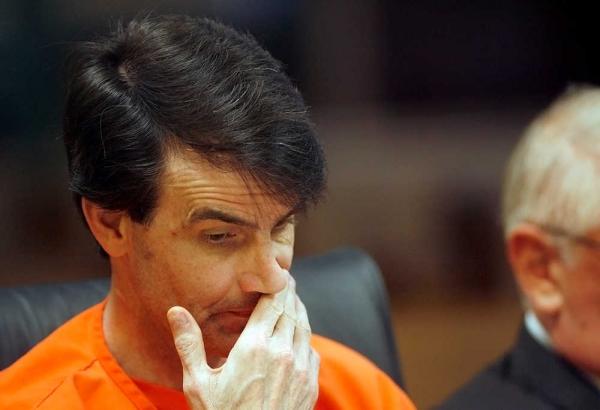
| Judicial Outcome | Death Penalty (Death Row) |
1. Background and Psychopathy
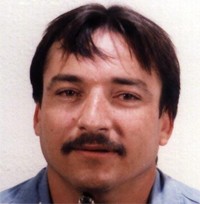
James Kraig Kahler was a former city official in Columbia, Missouri. His life began to unravel in 2009 following his wife's decision to file for divorce. Kahler exhibited signs of pathological obsession and domestic abuse, leading to a misdemeanor assault charge in March 2009. His inability to accept the separation and his wife's new relationship with Sunny Reese served as the primary catalyst for his violent breakdown.
2. Crime Spree
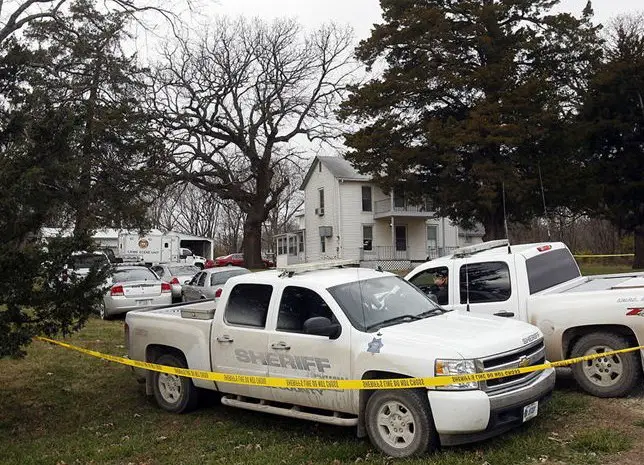
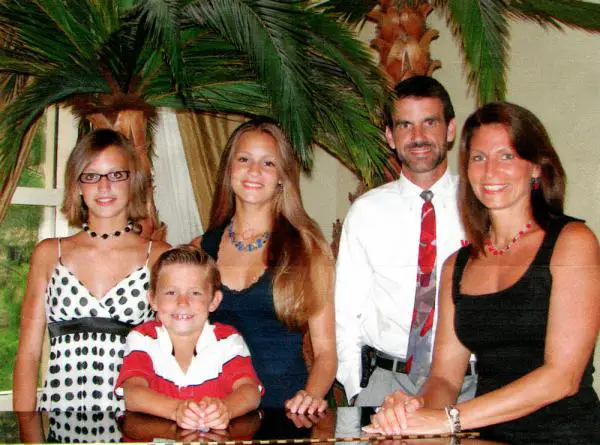
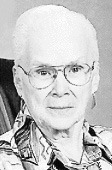
On November 28, 2009, Kahler traveled to Burlingame, Kansas, to the home of his wife's grandmother, Dorothy Wight. He systematically executed his wife, Karen, his two daughters, Emily and Lauren, and the elderly homeowner. The survival of his 10-year-old son, who was allowed to flee, remains a significant detail in the forensic reconstruction of the event.
3. Investigation and Arrest
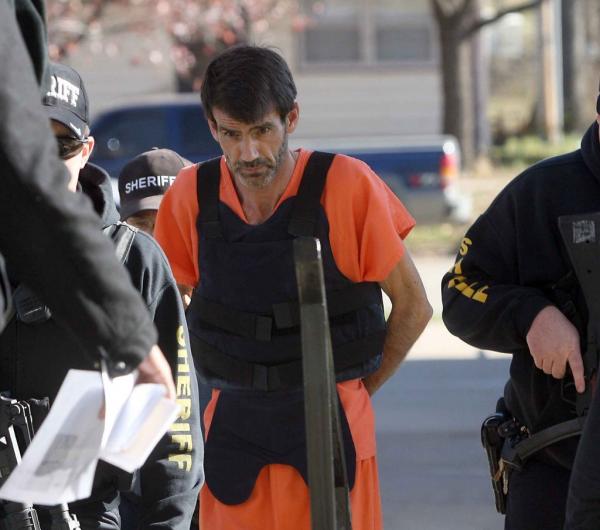
A multi-agency manhunt was launched immediately after the shooting. Kahler's vehicle was found abandoned, and he was apprehended the following morning after he approached a deputy, identifying himself as the suspect. He was found with a revolver, ammunition, and survival gear, indicating a degree of premeditation.
4. Legal Proceedings and Outcome
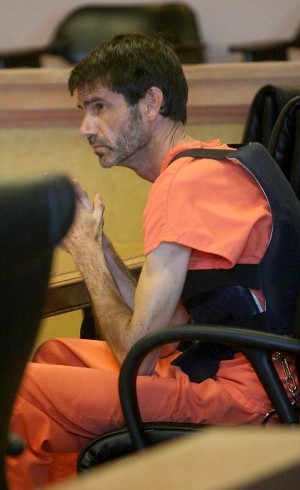
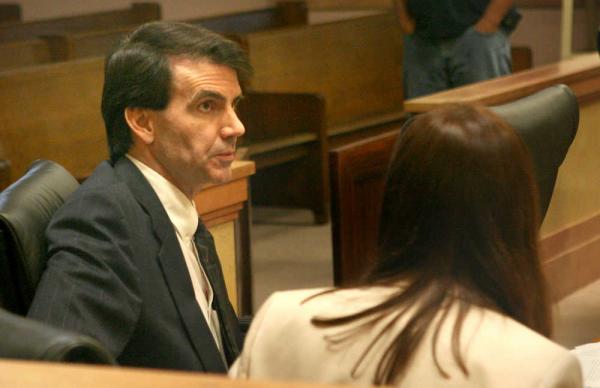
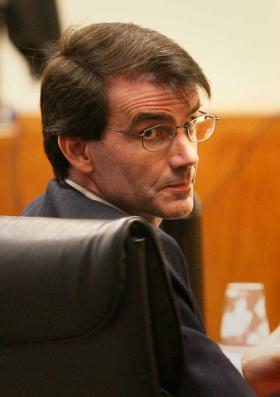
The trial focused heavily on Kahler's mental state. The defense argued that his actions were the result of a severe mental breakdown, while the prosecution emphasized the calculated nature of the killings. The jury unanimously recommended the death penalty, citing the heinous nature of the crimes and the vulnerability of the victims.