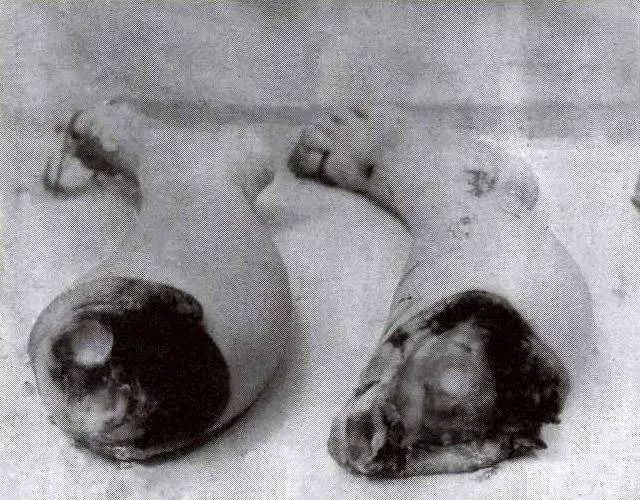





Forensic & Criminological Matrix
| Parameter | Forensic Detail |
|---|---|
| Forensic Heading / Aliases | The Trunk Murderess, The Tiger Woman, The Blonde Butcher, Marian Lane |
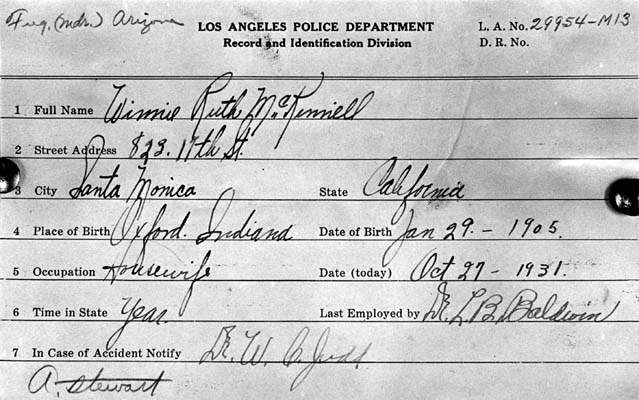
| Legal Identity | Winnie Ruth McKinnell |
| Confirmed Victims | 2 (Agnes Anne LeRoi and Hedvig "Sammy" Samuelson) |
| Active Timeline | October 1931 |
| Jurisdiction / Area of Operations | Phoenix, Arizona and Los Angeles, California (USA) |
| Criminological Classification | Passion-motivated homicide with corpse concealment |
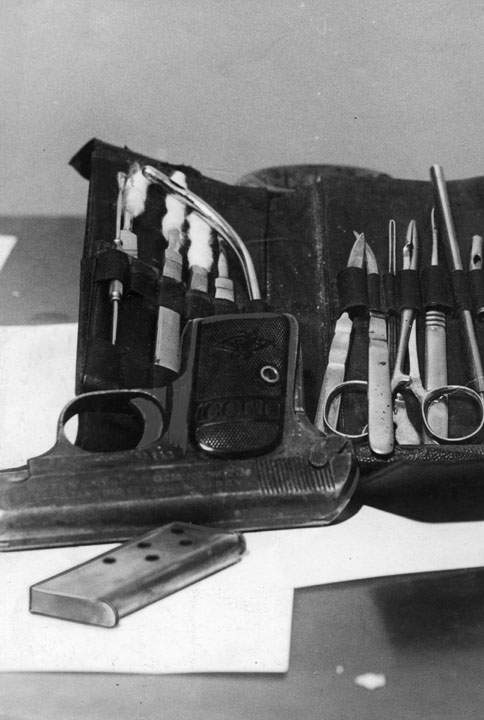
| Forensic Modus Operandi | Use of firearm during a domestic altercation, partial dismemberment of one victim, and interstate transport of remains via railway luggage trunks |
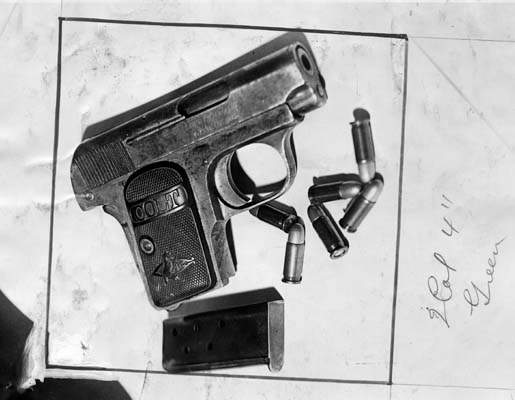
| Weapon / Mechanism of Death | Small-caliber firearm / Homicidal violence |
| Motive / Behavioral Dynamics | Romantic jealousy, interpersonal conflict over a shared lover, and situational emotional collapse |
| Judicial Outcome | Sentenced to death in 1932 (later commuted to life imprisonment); transferred to a psychiatric facility and eventually paroled in 1971 |
1. Background and Profile
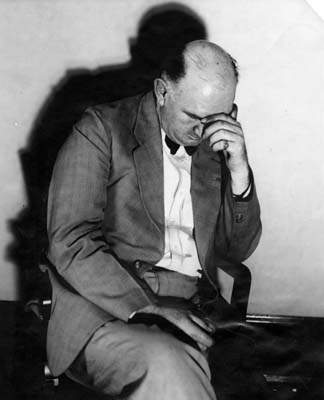
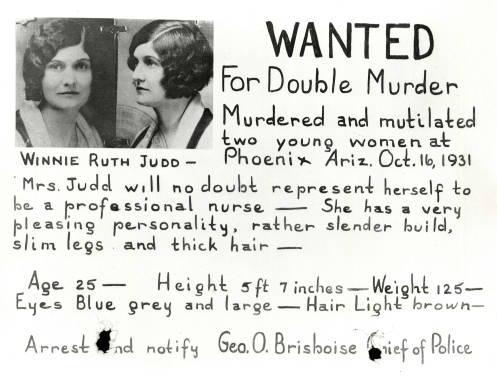
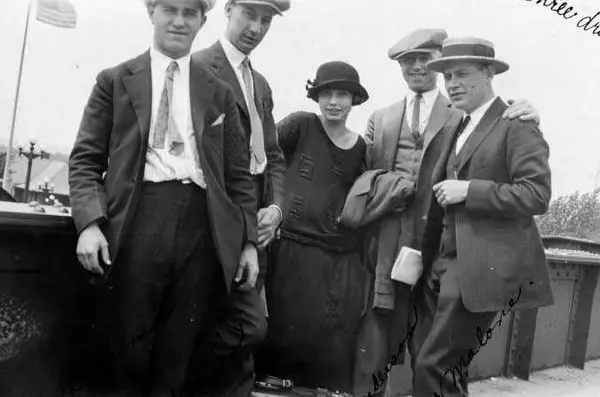
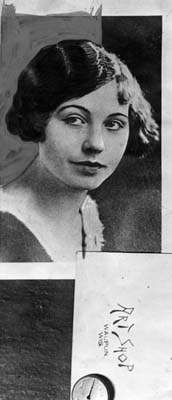
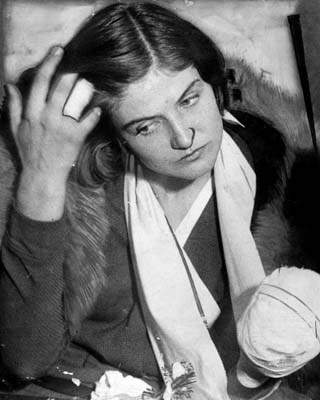
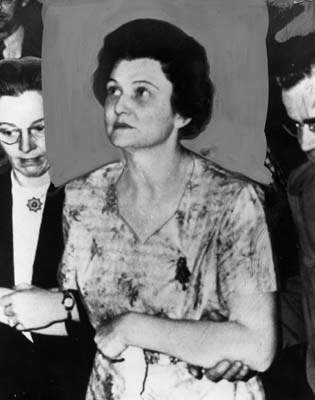
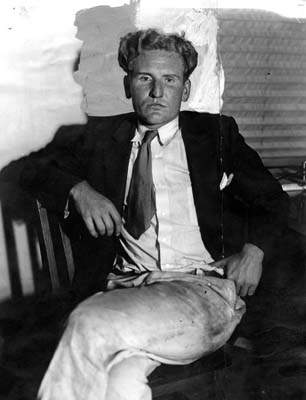
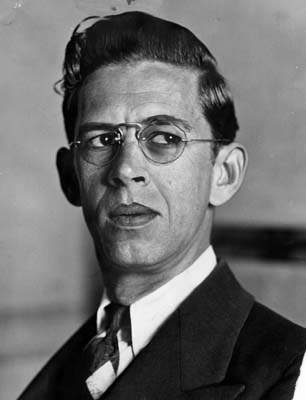
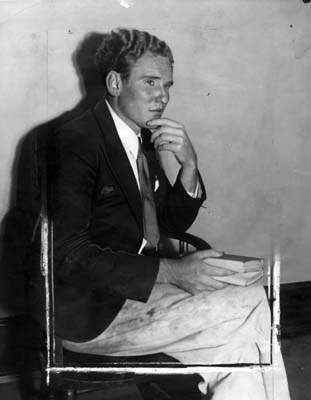
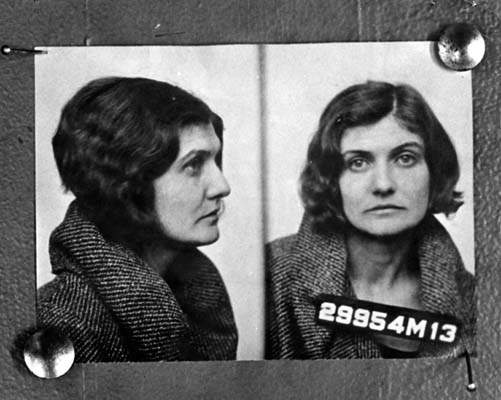
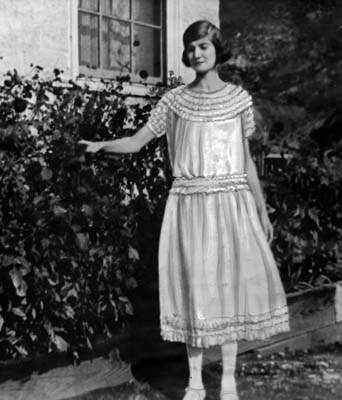
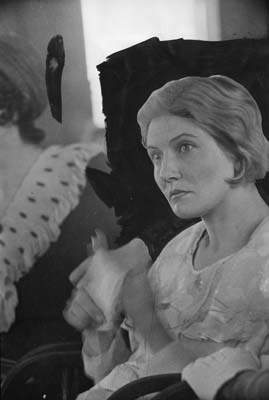
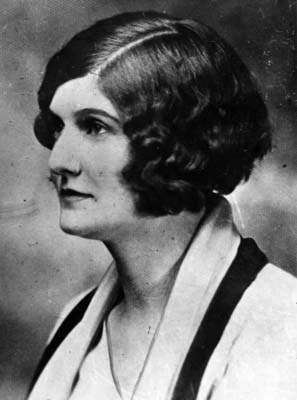
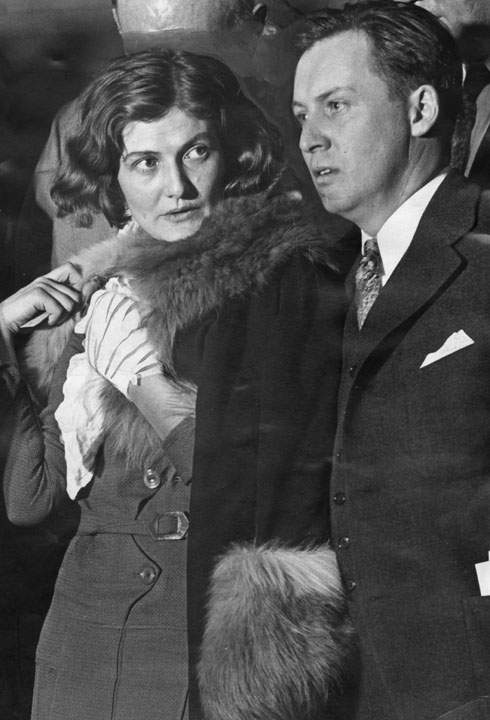
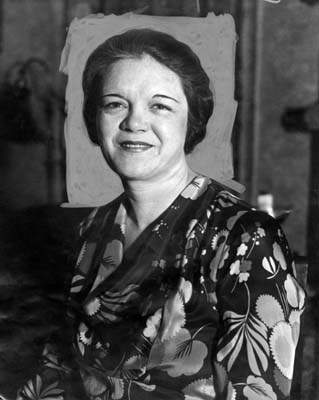
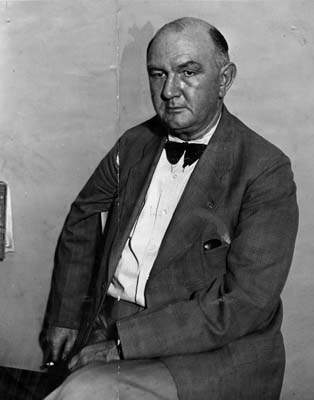
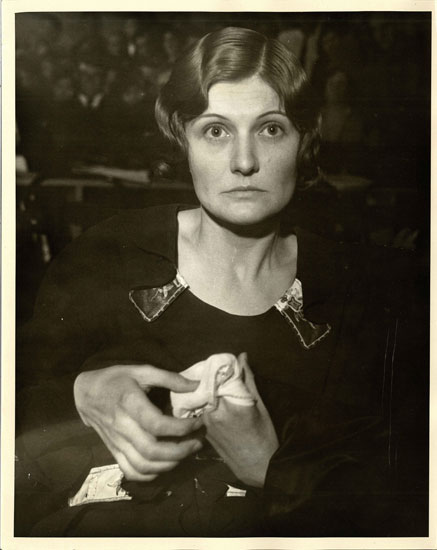
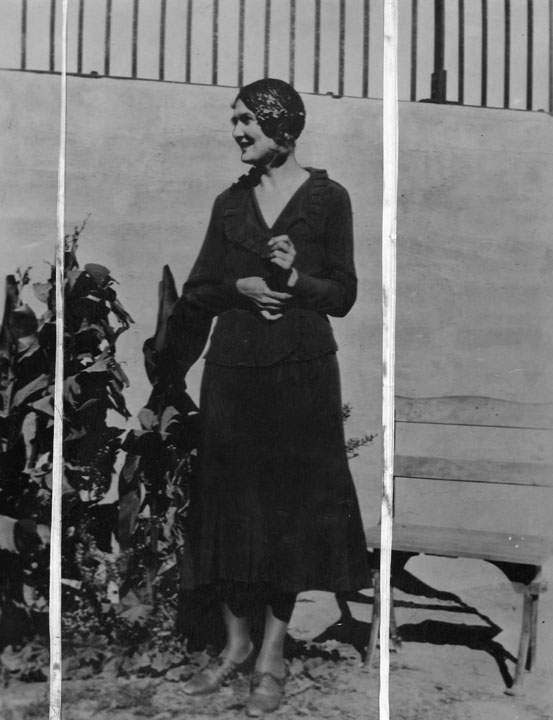
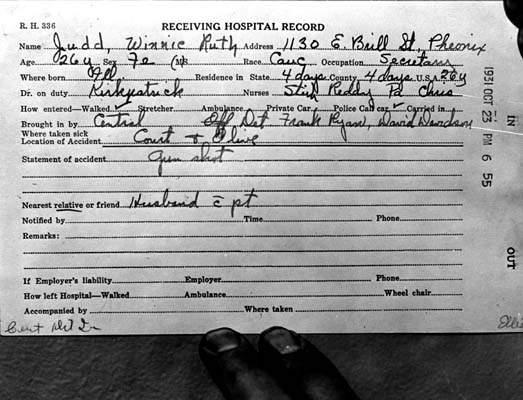
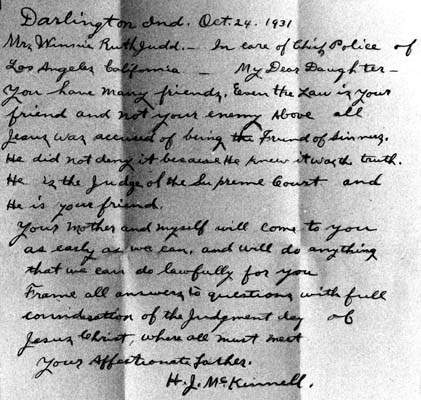
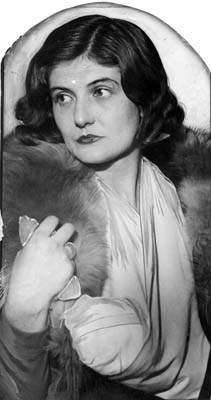
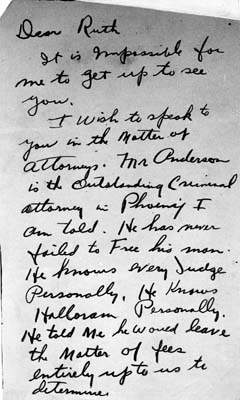
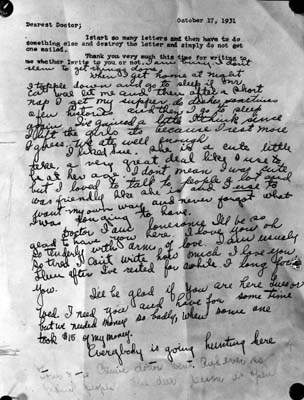
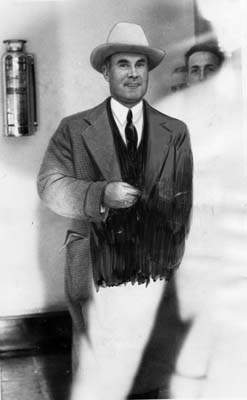
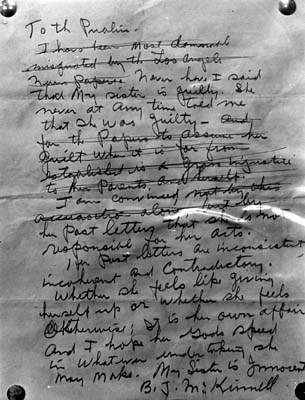
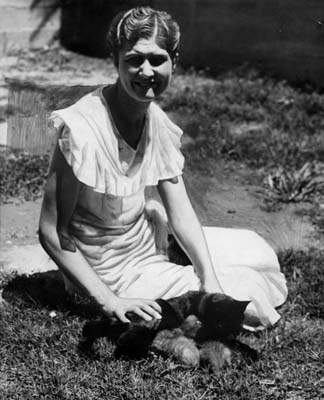
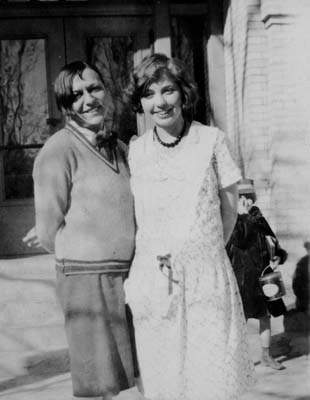
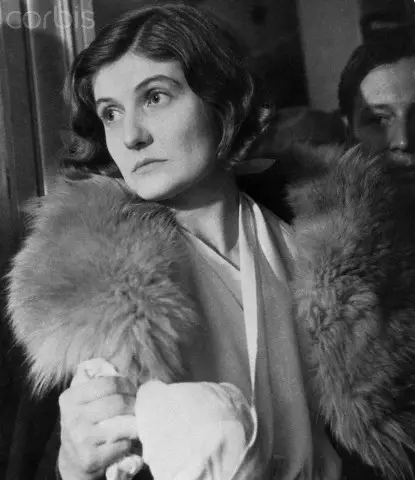
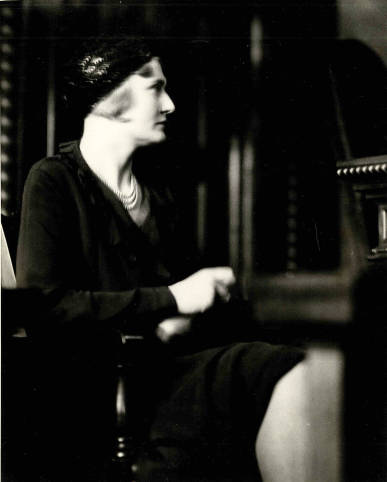
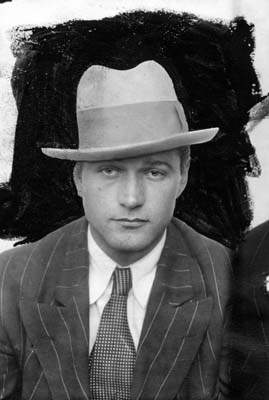
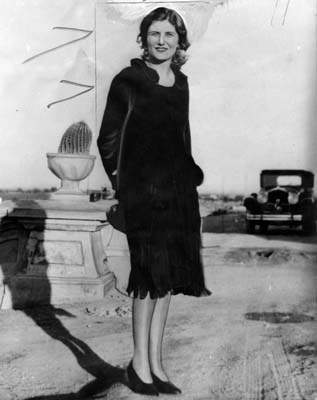
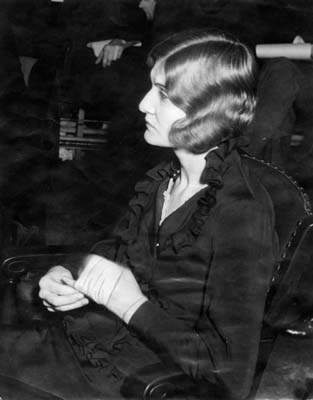
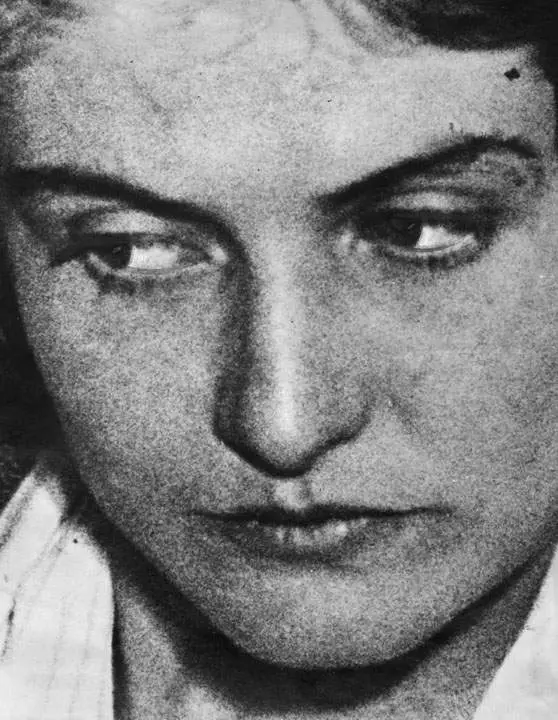
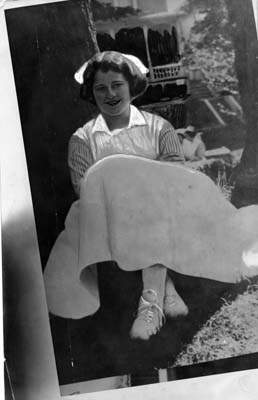
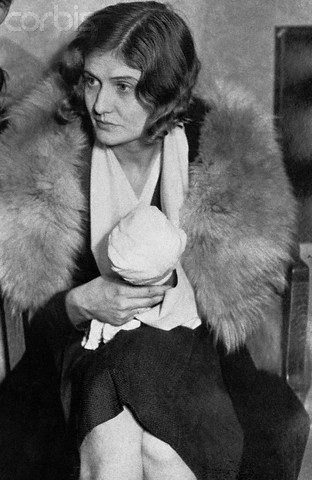
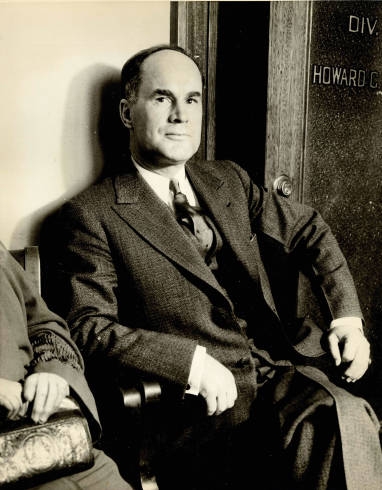
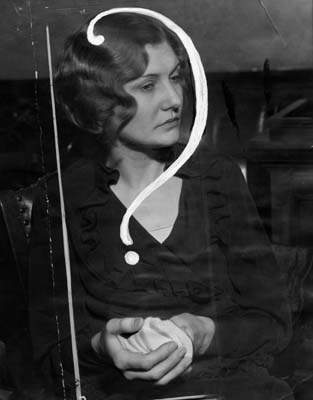
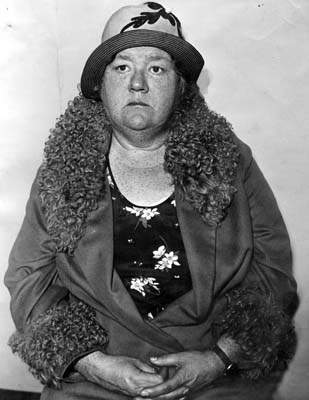
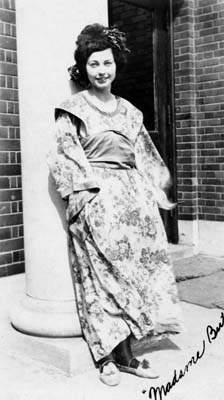
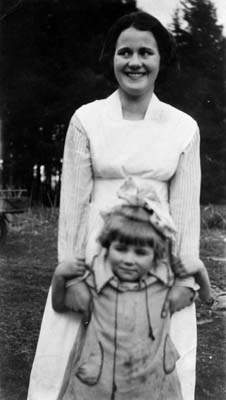
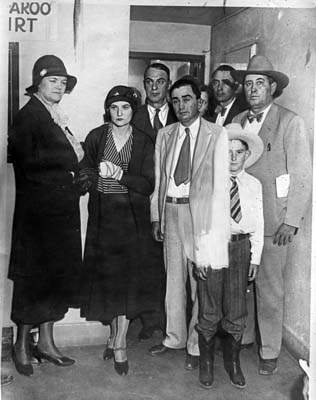
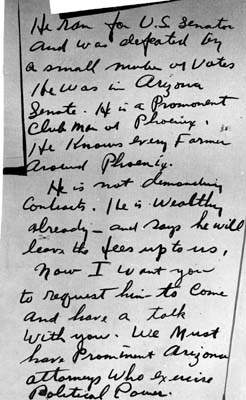
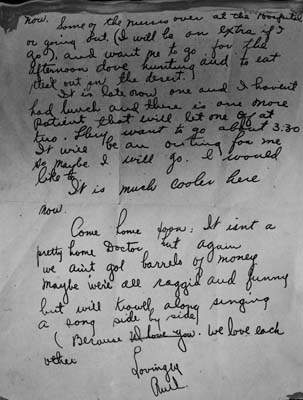
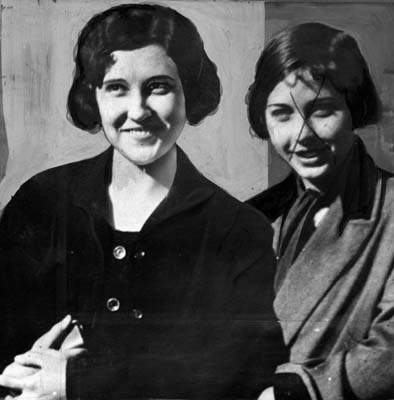
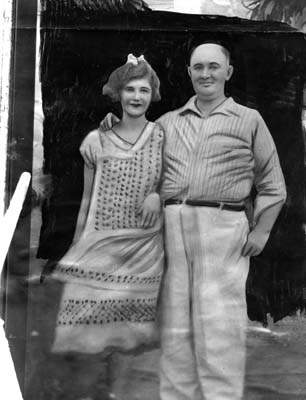
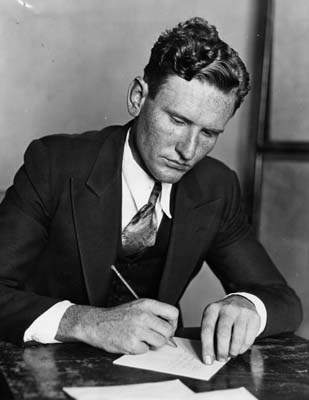
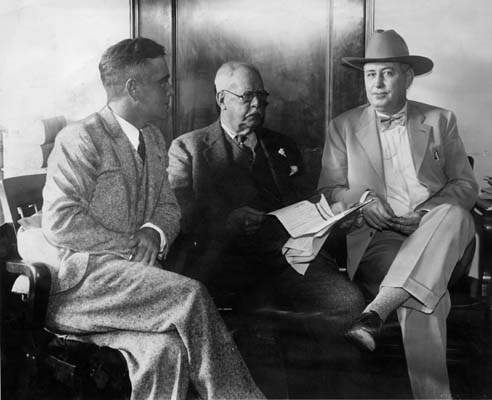
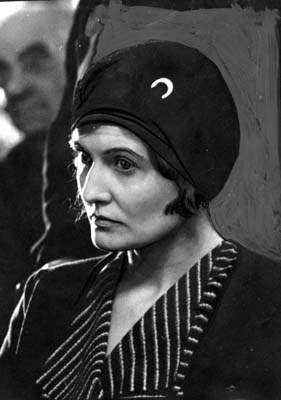
Winnie Ruth Judd, born Winnie Ruth McKinnell in 1905, worked as a medical secretary in Phoenix, Arizona. Her profile reflected an outwardly conventional woman whose personal life became entangled in clandestine romantic affairs, most notably with prominent local businessman Jack Halloran. Historical assessments and forensic evaluations point to severe emotional lability and hysterical reactions under extreme relational stress.
2. Crime Spree and Modus Operandi
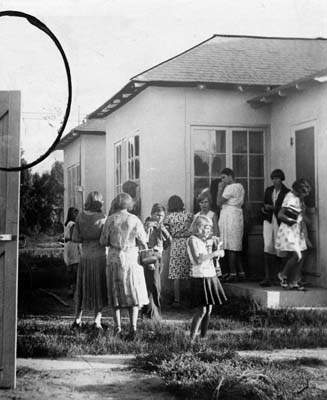
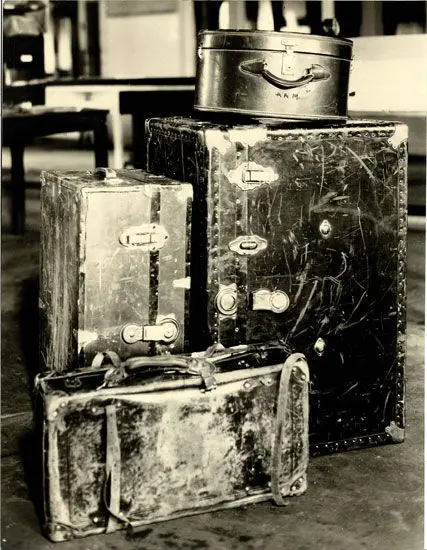
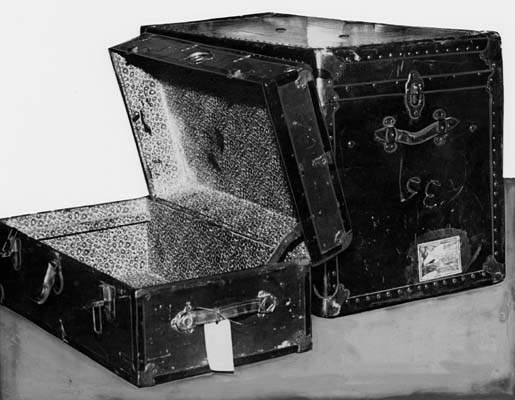
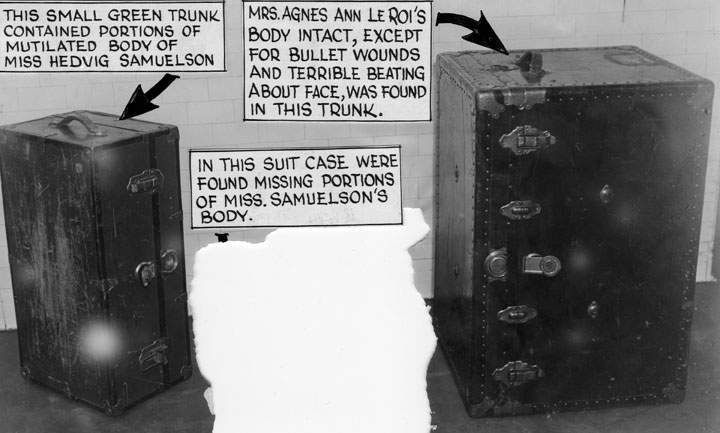
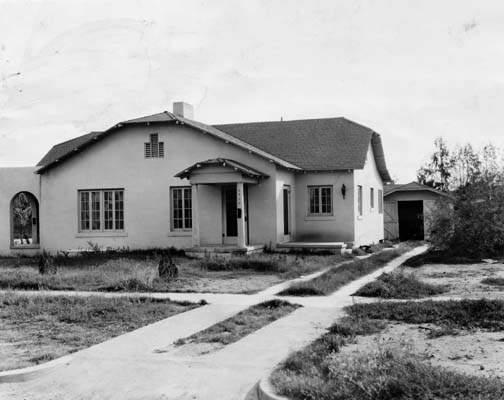
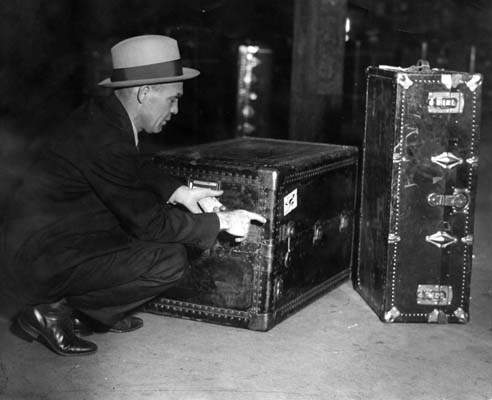
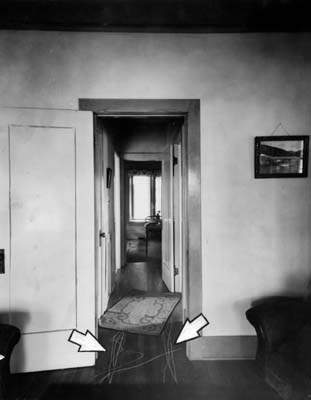
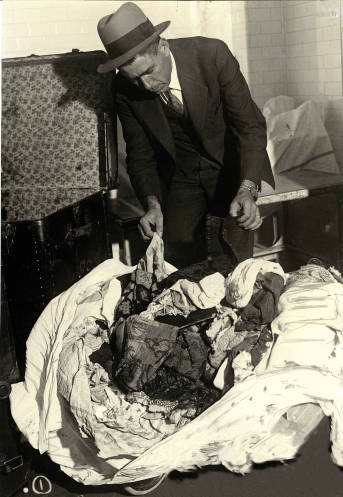
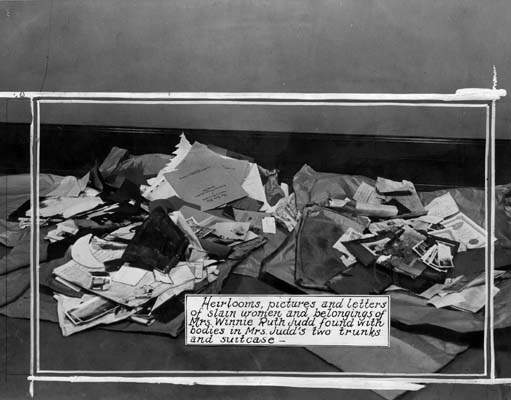
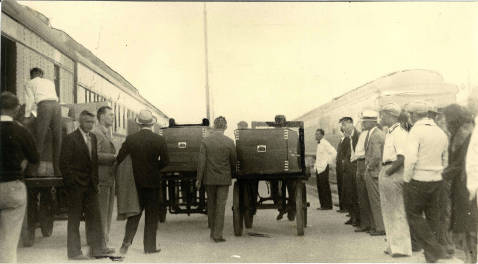
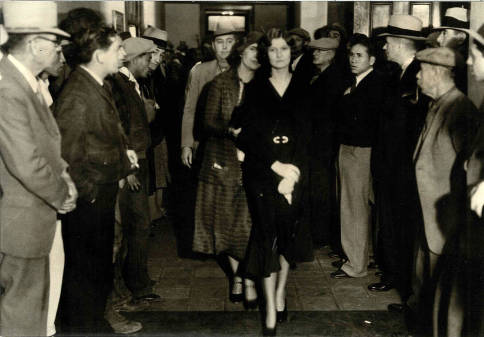
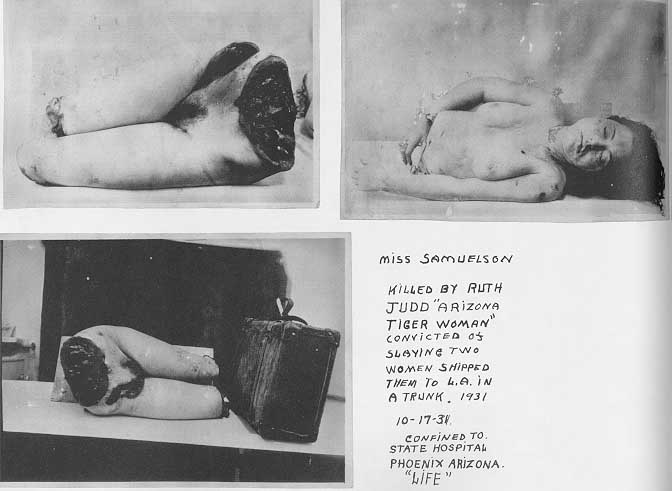
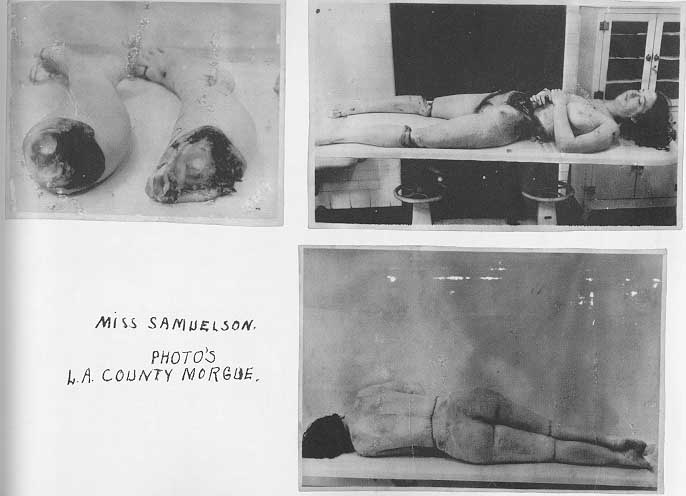
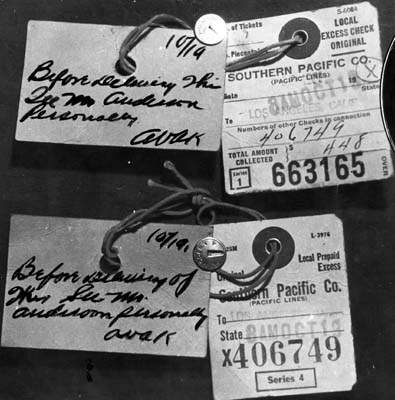
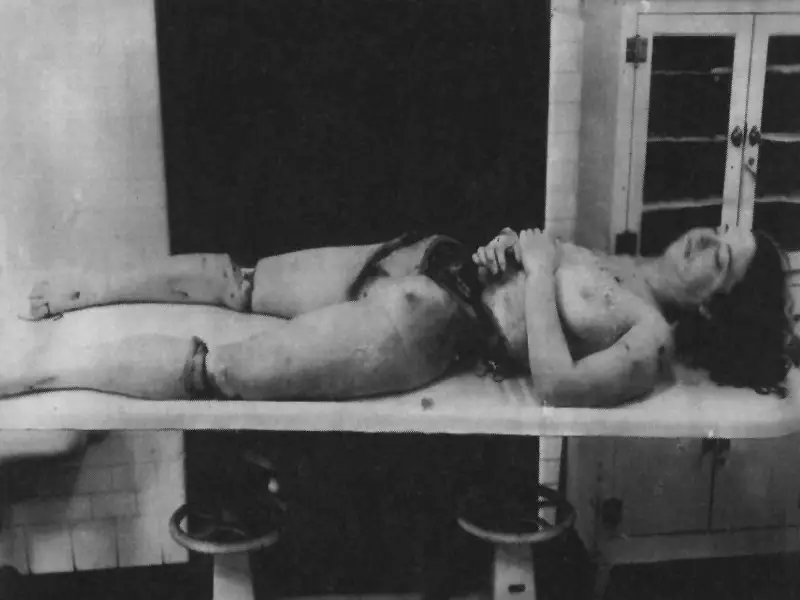
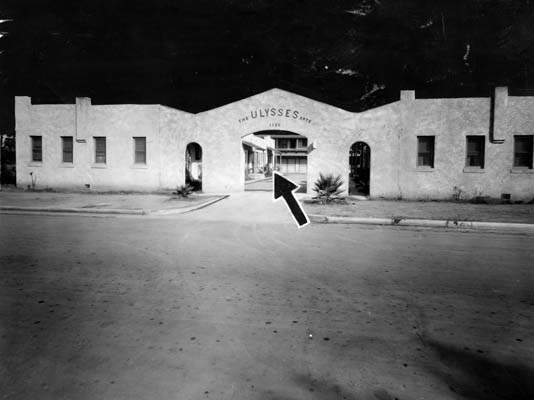
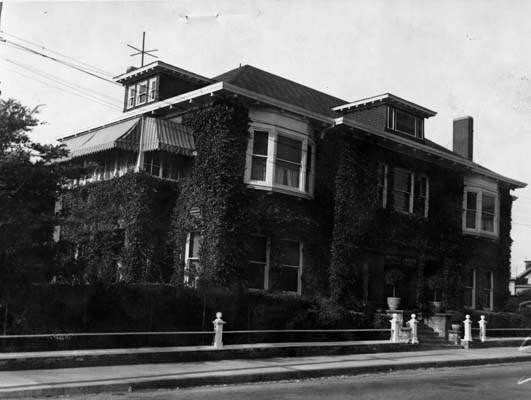
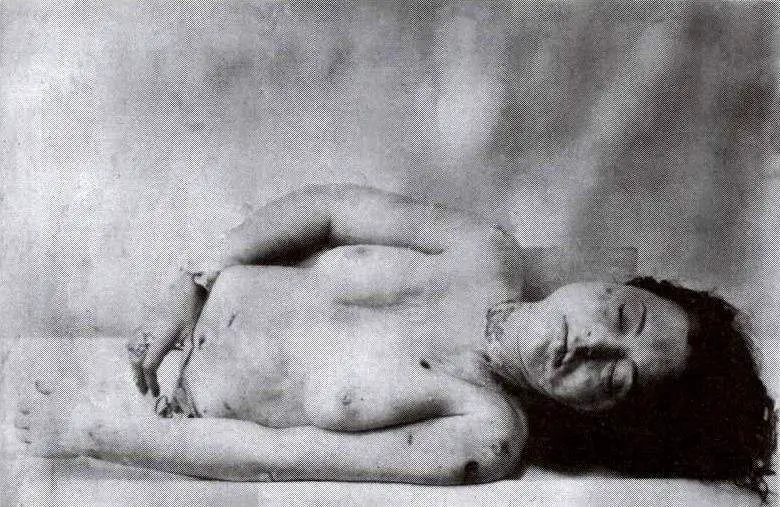
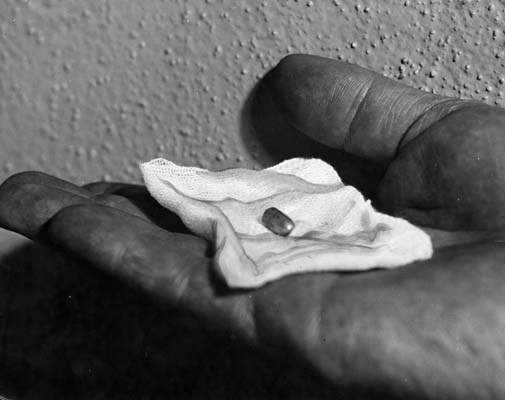
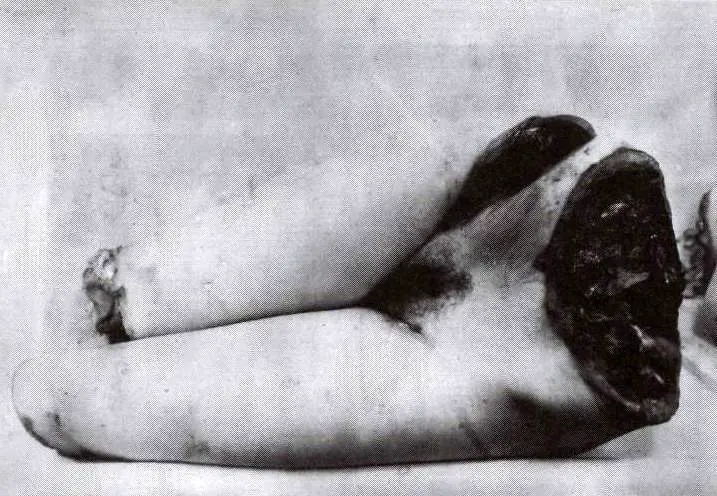
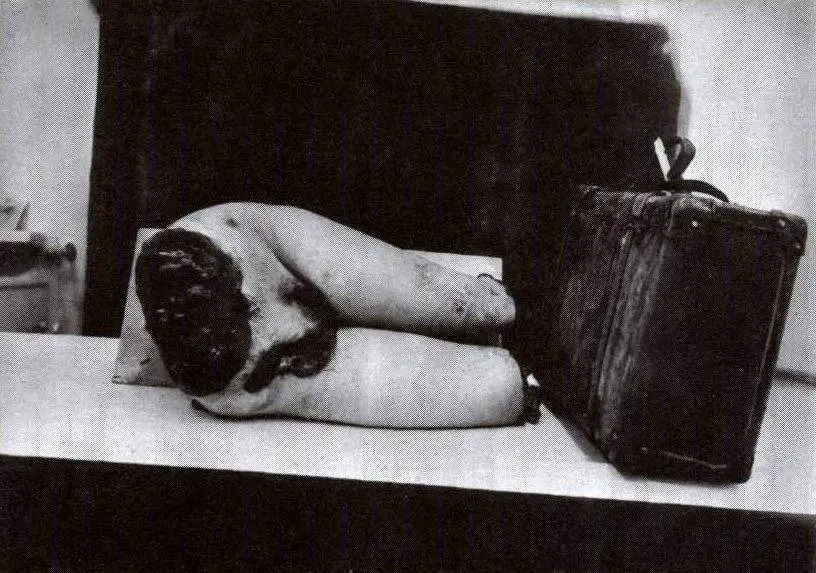
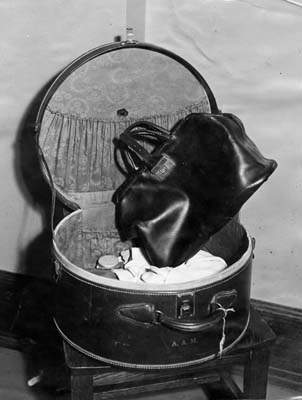
In October 1931, a violent argument erupted in Phoenix between Judd and her roommates, Agnes Anne LeRoi (32) and Hedvig “Sammy” Samuelson (24), ostensibly driven by jealousy over Jack Halloran. During the altercation, Judd shot and killed both women. To dispose of the evidence, she packed their bodies into trunks and luggage—partially dismembering one corpse to fit the container—and boarded a train to Los Angeles, California. The discovery of blood-soaked luggage upon arrival sparked massive media attention, coining the moniker the "Trunk Murders."
3. Investigation and Arrest
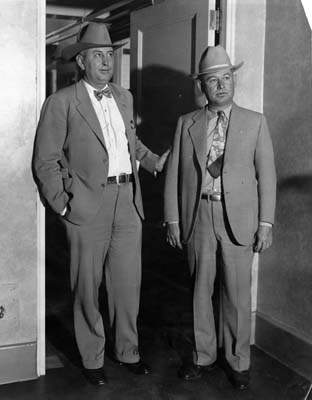
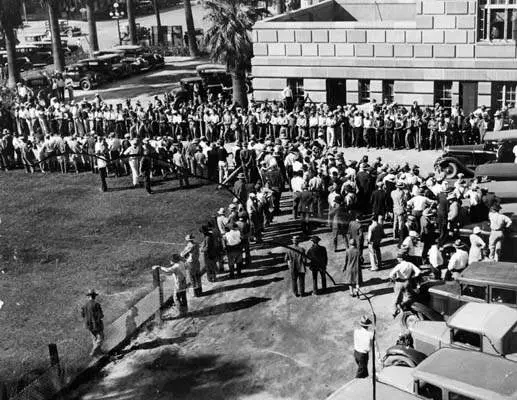
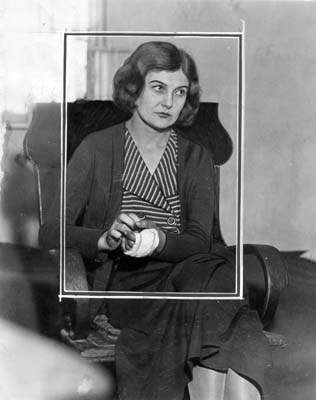
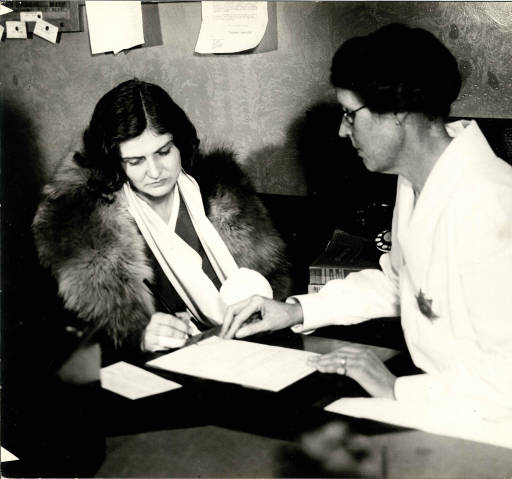
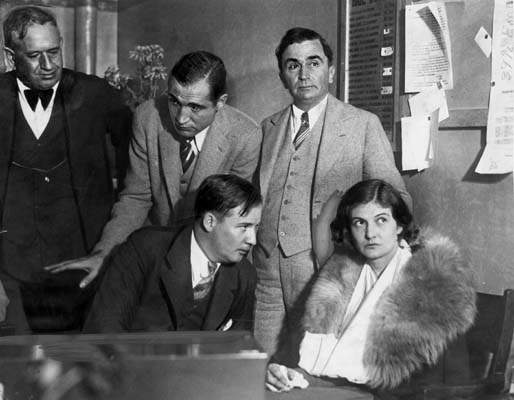
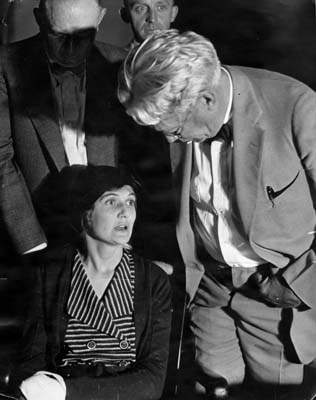
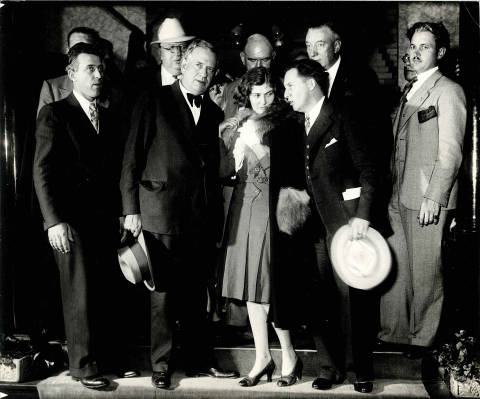
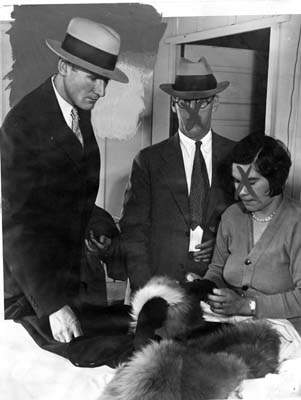
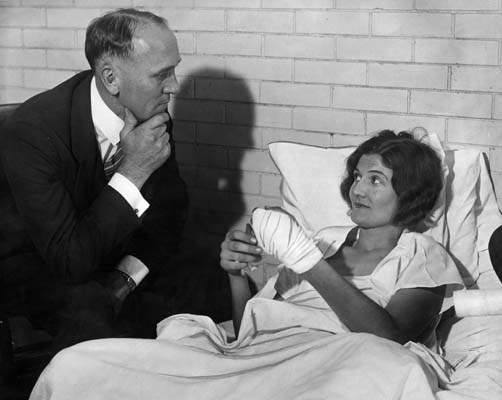
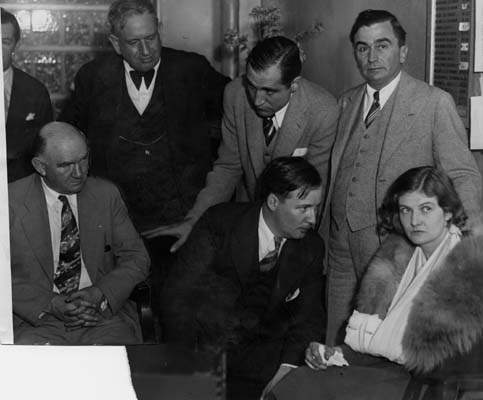
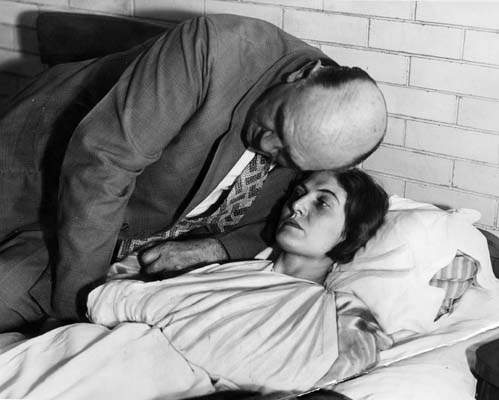
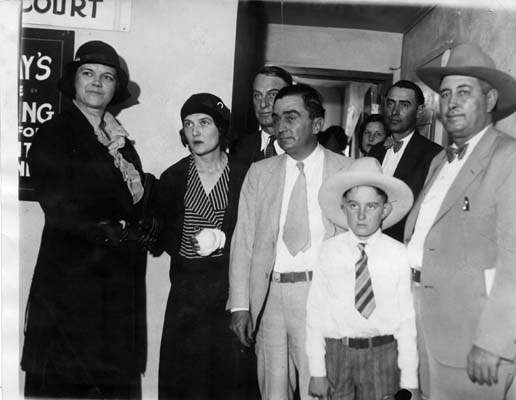
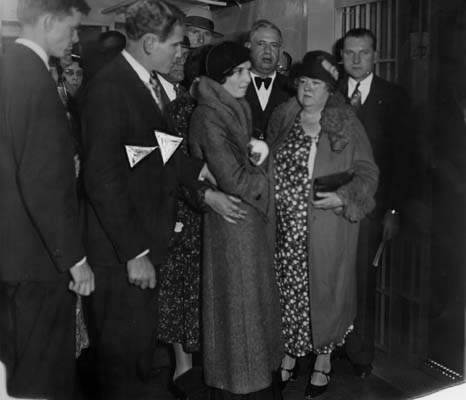
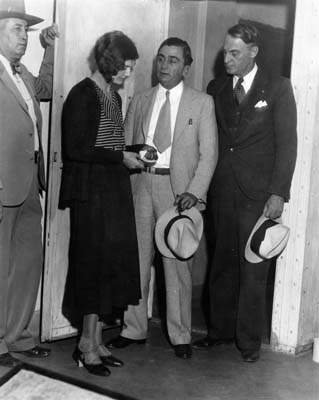
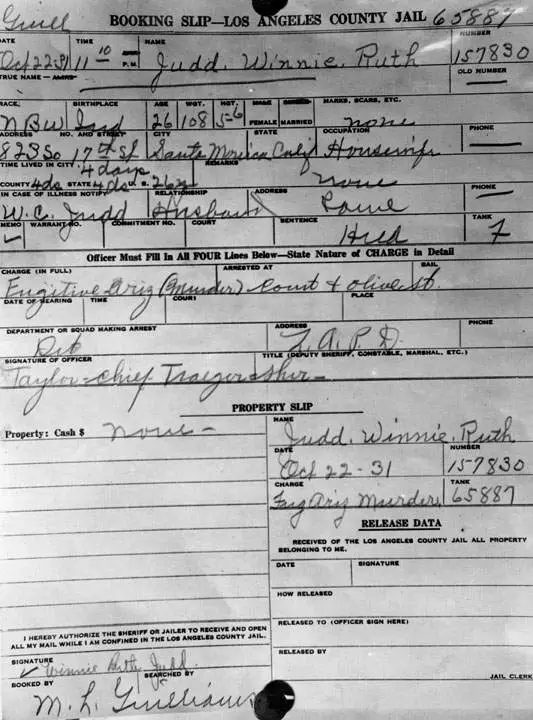
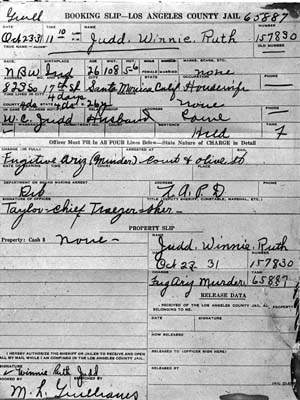
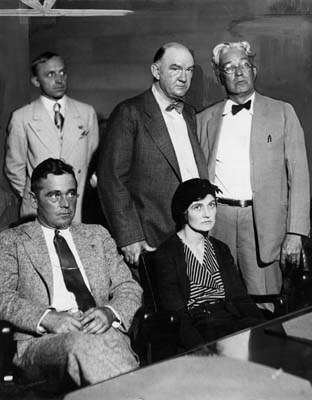
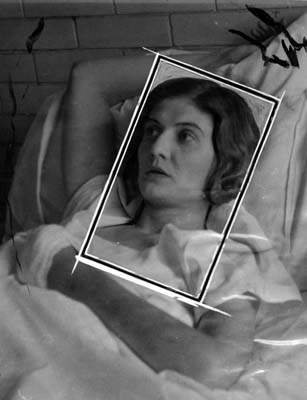
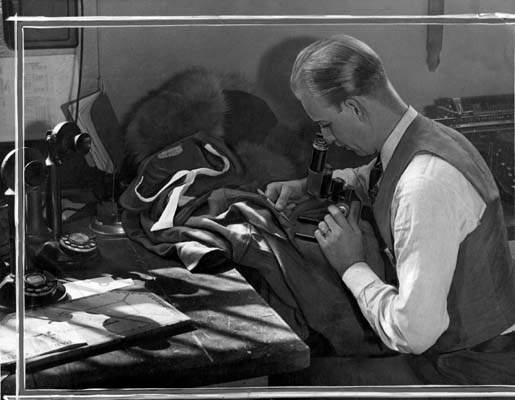
The case gained notoriety due to the macabre logistics of transporting human remains across state lines. Railway and law enforcement officials in Los Angeles detained Judd shortly after her arrival as she displayed erratic behavior and injuries to her hands. Exhibiting signs of acute psychological distress, she was swiftly extradited back to Arizona to stand trial.
4. Legal Proceedings and Outcome
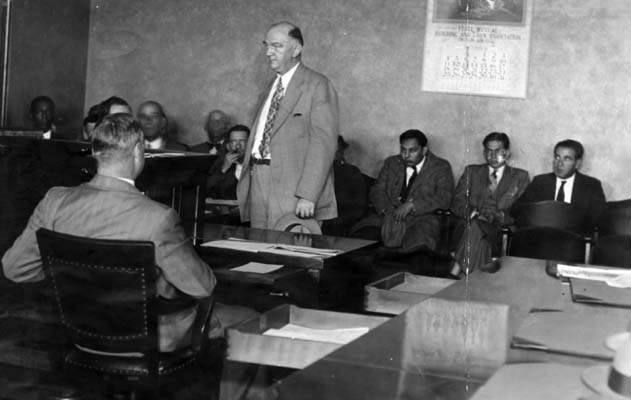
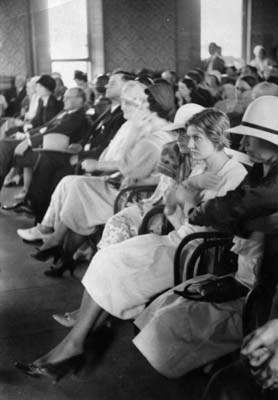
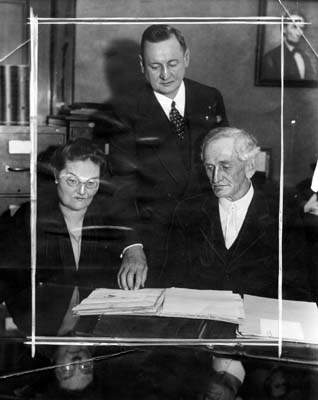
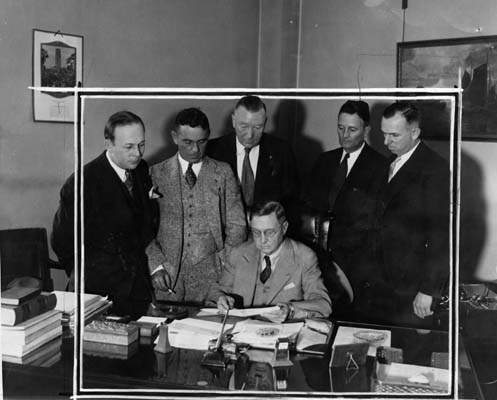
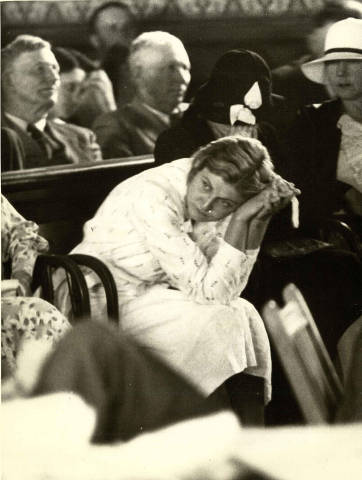
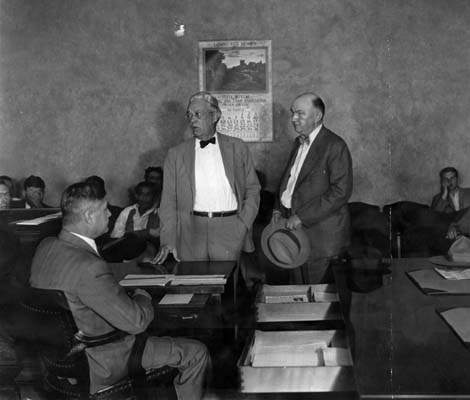
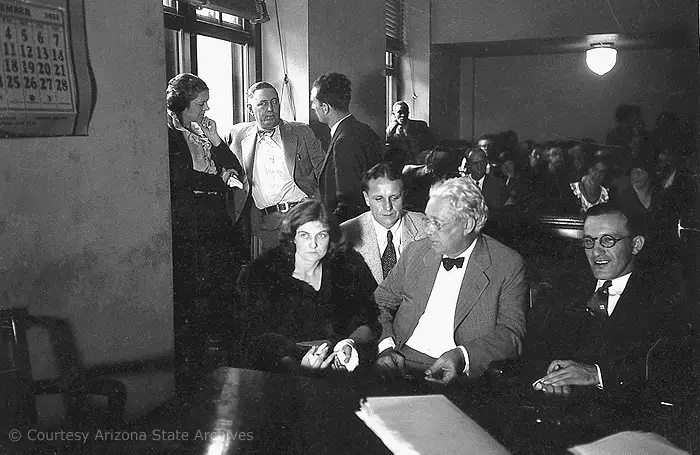
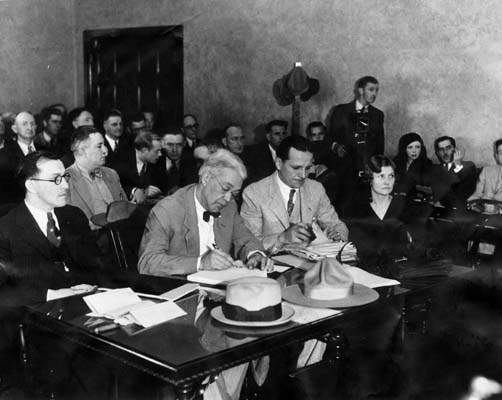
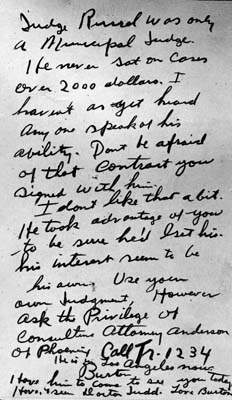
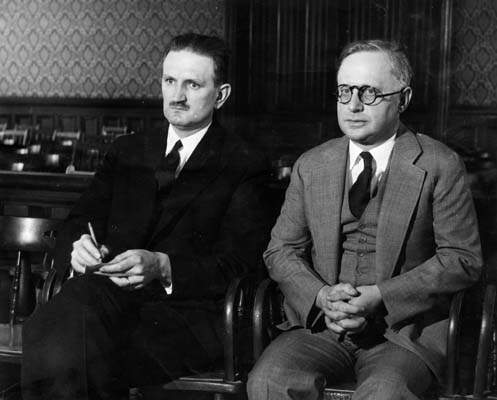
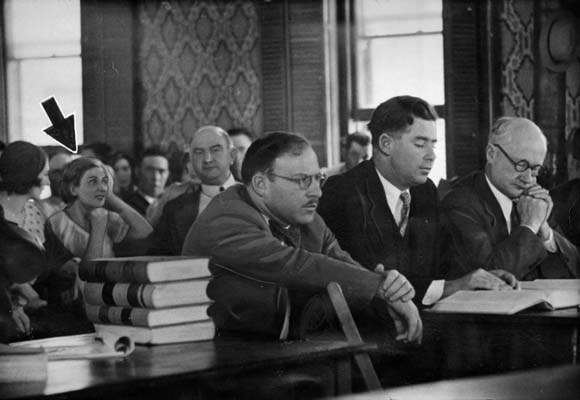
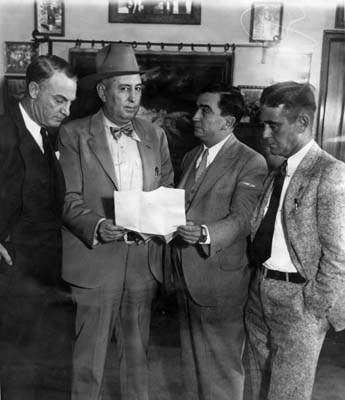
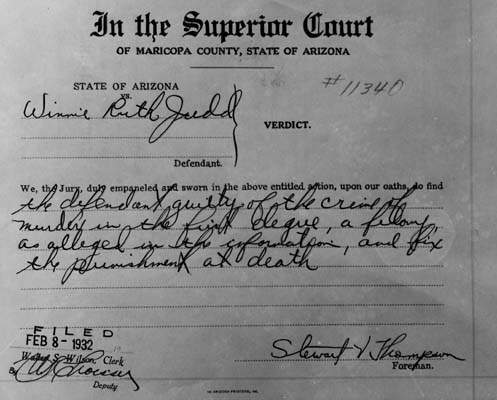
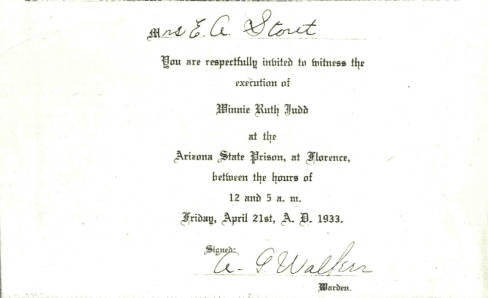
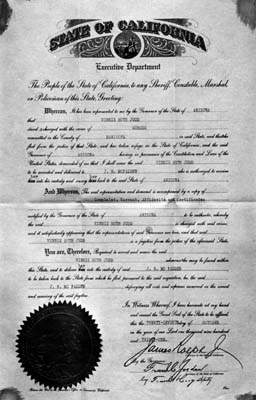
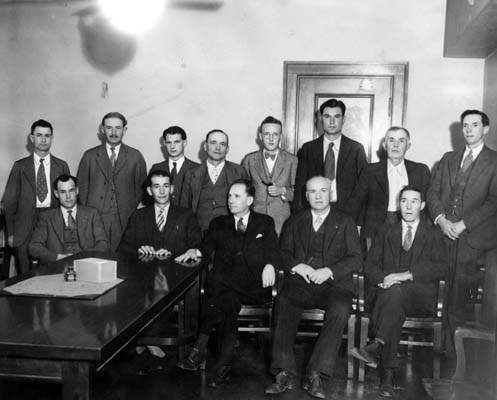
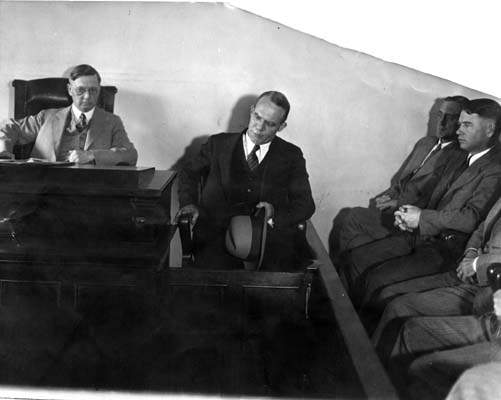
The state prosecuted Judd for the murder of Anne LeRoi. Her defense counsel pursued an uncoordinated strategy focused heavily on insanity without effectively challenging the prosecution's narrative. On February 8, 1932, a jury found her guilty and recommended death by hanging. Following intense public debate, appeals, and subsequent grand jury inquiries pointing toward unpunished accomplices such as Jack Halloran, her death sentence was commuted to life imprisonment.
5. Psychiatric Evaluation and Final Outcome
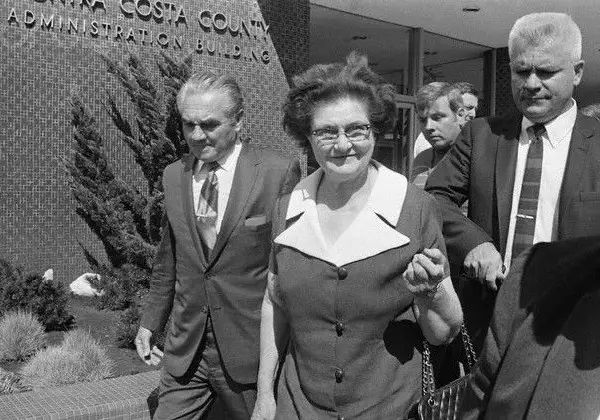
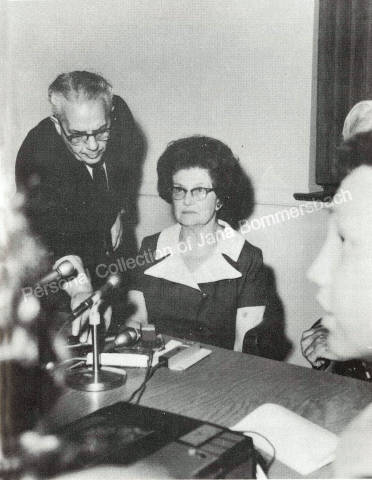
Spent decades within the Arizona prison system and a state psychiatric hospital due to severe mental instability, Judd became famous for several daring escape attempts. Despite her notoriety, she demonstrated sufficient behavioral stabilization to be granted parole in 1971. She lived quietly for the remainder of her years, passing away in 1998 at the age of 93.