



Forensic & Criminological Matrix
| Parameter | Forensic Detail |
|---|---|
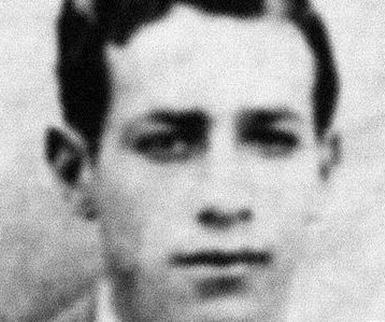
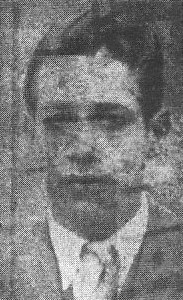
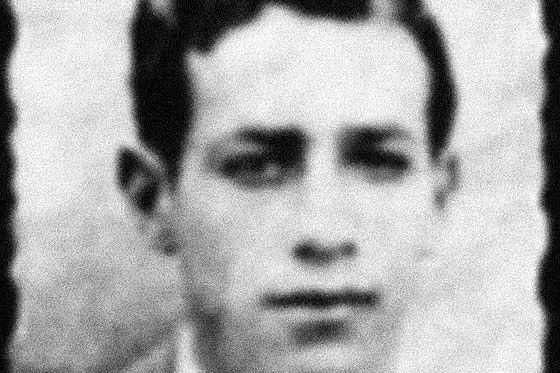
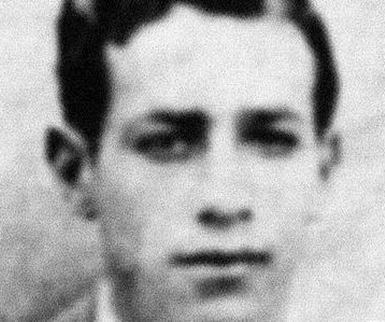
| Identity | Juan Roa Sierra |
| Known Aliases | "The Assassin of Gaitán", "The Spark of El Bogotazo" |
| Criminal Classification | Political assassin, targeted gunman, and suspected conspiracy cat's-paw |
| Date of Birth | c. 1921 (Bogotá, Colombia) |
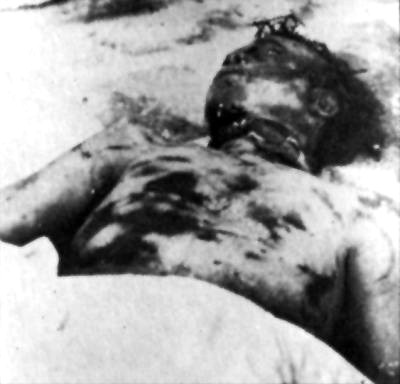
| Date of Death | April 9, 1948 (Aged approx. 27, Carrera Séptima, Bogotá; beaten to death by mob lynching) |
| Criminal Indictment | First-degree murder of charismatic Colombian presidential candidate and Liberal Party leader Jorge Eliécer Gaitán |
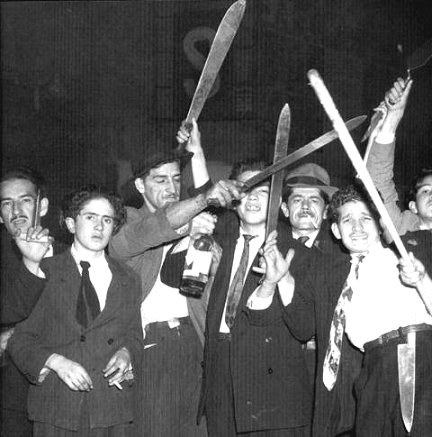
| Fatalities | 1 direct political assassination (triggering thousands of deaths during El Bogotazo urban riots and the ensuing civil conflict known as La Violencia) |
| Crime Scene | Agustín Nieto Building entrance, Carrera Séptima at Calle 14, downtown Bogotá, Colombia |
| Date of Assassination | April 9, 1948 (1:05 PM) |
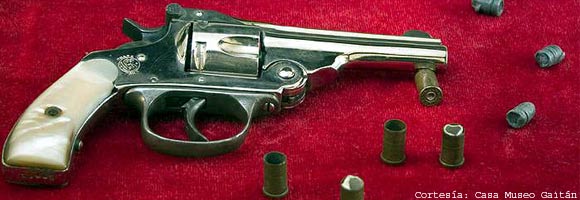
| Weapon Used | Spanish-made .32 Short caliber revolver loaded with six cartridges; three discharged point-blank. |
| Motive | High-level political conspiracy combined with acute delusional grandiosity, esoteric beliefs, and personal grievances. |
| Legal Status | Criminal prosecution terminated due to summary public lynching of the perpetrator at the crime scene. |
Forensic Synopsis and Historical Context
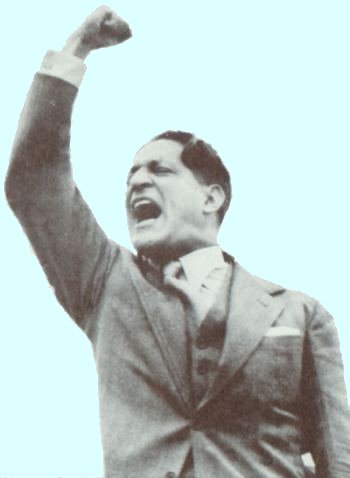
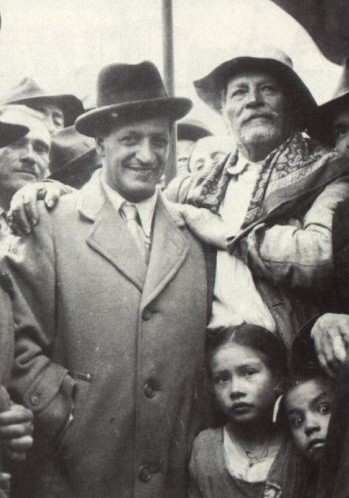
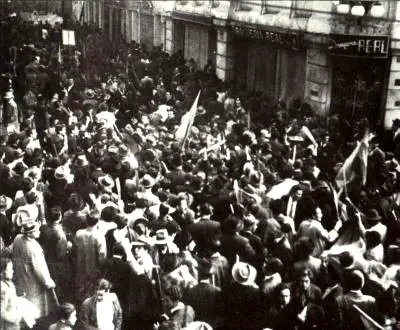
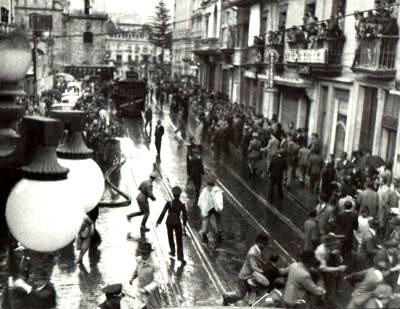
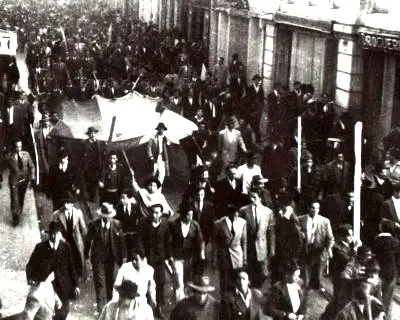
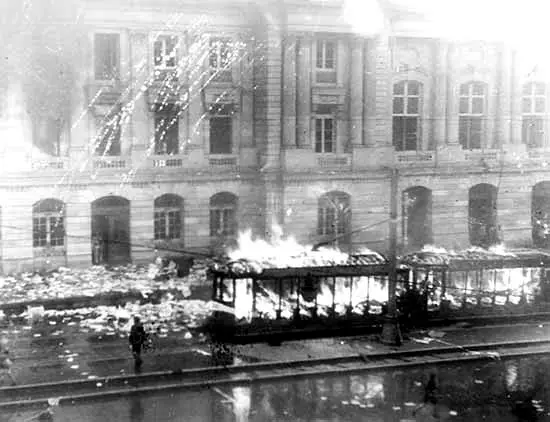
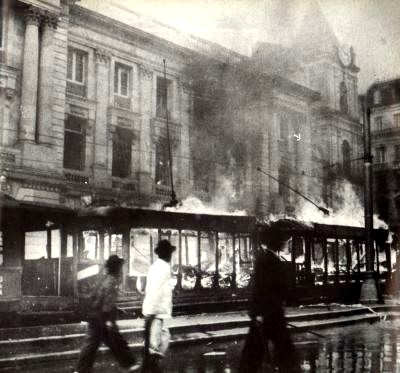
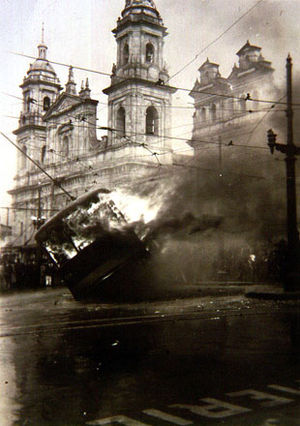
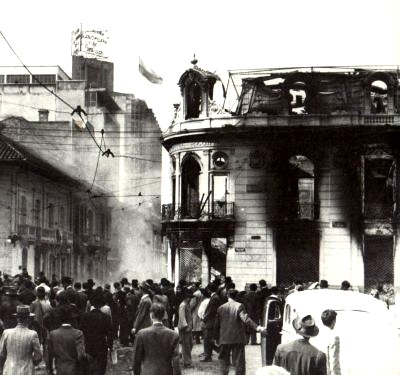
The assassination of Jorge Eliécer Gaitán by Juan Roa Sierra on the afternoon of April 9, 1948, in downtown Bogotá stands as the most catastrophic and transformative political murder in the modern history of South America. Gaitán, the charismatic champion of Colombia's working masses and undisputed front-runner for the presidency, was shot at point-blank range, instantly detonating the "Bogotazo"—a colossal urban uprising that gutted the historic center of the capital, claimed thousands of lives, and plunged the country into a ten-year civil bloodbath known as "La Violencia", which directly birthed Colombia's decades-long guerrilla insurgencies.
The summary mob justice inflicted upon Roa Sierra within minutes of the shooting created an enduring forensic and historical mystery. While early official inquiries promoted by Scotland Yard detectives framed Roa as an isolated mentally disturbed fanatic, numerous eyewitness statements, circumstantial ballistic proofs, and declassified archives have sustained enduring theories that Roa served as a disposable trigger-man for powerful political or international conspirators.
Personal Background, Delusions, and Esotericism
Born into poverty in Bogotá's working-class Ricaurte district, Roa was an unemployed, chronically unstable laborer who drifted between jobs as a locksmith, driver, and porter:
- Megalomaniac Delusions: Medical records and family testimonies revealed severe identity disturbances. Roa believed he was the direct physical reincarnation of Colombian founding father General Francisco de Paula Santander.
- Occult Influences: He frequented mystical seances conducted by Johan Umland, a German-born astrologer residing in Bogotá who reportedly reinforced his visions of historical destiny.
- The Denied Petition: Weeks prior to the shooting, Roa visited Gaitán’s legal office in the Agustín Nieto Building seeking government employment. Gaitán’s staff brushed him aside, an encounter that reportedly cemented Roa's personal obsession.
The Assassination of April 9, 1948
At 1:05 PM on April 9, 1948, while the Ninth International Conference of American States (founding the Organization of American States) was convening blocks away:
- The Shooting: Gaitán emerged from his office building onto Carrera Séptima accompanied by associates. Roa Sierra stepped forward, drew the .32 caliber revolver, and fired three rounds into Gaitán’s neck and back at contact range. Gaitán collapsed onto the pavement and died shortly afterward at the Clínica Central.
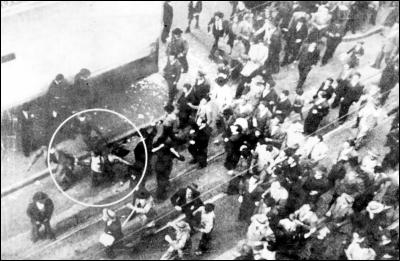
- The Shelter in the Pharmacy: A traffic policeman and outraged bystanders pinned Roa to the ground. Officers shoved him inside the nearby Granada Pharmacy, pulling down the corrugated metal security shutter to protect him from the gathering crowd.
The Street Lynching and Mutilation
As radio bulletins broadcast the news of Gaitán’s shooting, thousands of citizens converged on the scene:
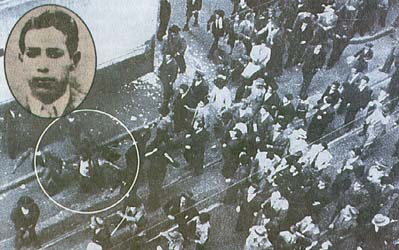
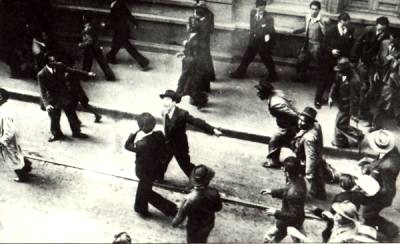
- Breaching the Shutter: The mob pried open the metal gate with crowbars and battered Roa with shoe-shine boxes and heavy cobblestones.
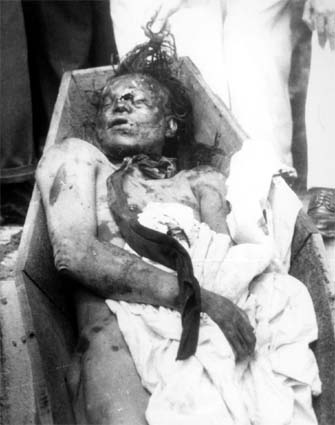
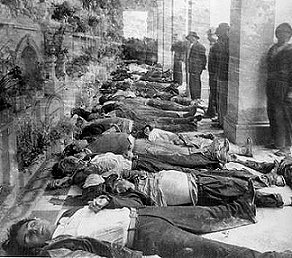
- The Dragging: Binding a necktie and wire around his throat, the crowd dragged Roa’s stripped, dying body along the asphalt of Carrera Séptima toward the Plaza de Bolívar.
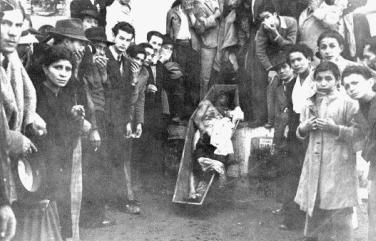
- The Presidential Palace: The unrecognizable corpse was dumped directly before the gates of the Presidential Palace (Palacio de San Carlos), where it lay abandoned for days amidst raging gun battles, fires, and citywide pillage.
Forensic Inquest and Legacy
Following the restoration of order, Colombian authorities retained Scotland Yard detectives to investigate the crime:
- The "Lone Gunman" Theory: The British report determined Roa possessed an unstable, schizotypal personality driven by personal delusion and rejection.
- The Second Man: Multiple witnesses maintained that a well-dressed second individual—often referred to as "the man in the raincoat"—stood beside Roa moments before the assassination, nodded toward Gaitán, and vanished seamlessly into the crowd.
- Historical Impact: Juan Roa Sierra’s bullets remain the catalyst that derailed 20th-century Colombian democracy, initiating half a century of guerrilla warfare and national trauma.