


Forensic & Criminological Matrix
| Parameter | Forensic Detail |
|---|---|
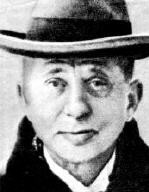
| Identity | José María Miculax Bux |
| Known Aliases | "Miculax", "The Ravine Strangler" |
| Criminal Classification | Serial child killer, predatory pedophile, and sadistic strangler |
| Date of Birth | c. 1926 (Patzicía, Chimaltenango, Guatemala) |
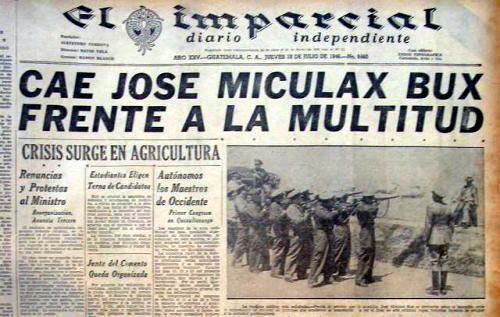
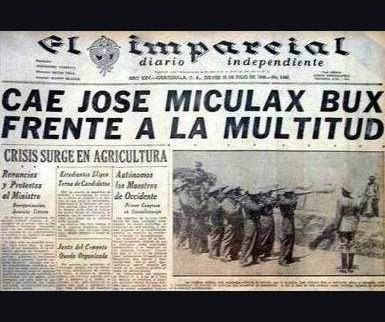
| Date of Death | July 18, 1946 (Aged approx. 20, Central Penitentiary of Guatemala; executed by military firing squad) |
| Criminal Indictment | Multiple counts of child abduction, aggravated sexual assault, and first-degree murder |
| Fatalities | At least 15 young boys confirmed (aged 8 to 14) |
| Crime Scenes | Ravines surrounding Guatemala City (El Incienso, La Verbena, San Juan de Dios, and Martinico ravines) |
| Active Period | January – May 1946 |
| Modus Operandi | Luring destitute street shoe-shine boys and marketplace couriers into the steep ravines surrounding Guatemala City with promises of modest wages, physical overpowering, violent sodomy, manual/ligature strangulation with agave rope, and discarding remains beneath thorny brush. |
| Motive | Sadistic pedophilia, physical domination, and predatory compulsion. |
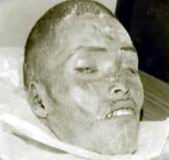
| Legal Status | Sentenced to capital punishment in June 1946. Executed by firing squad on July 18, 1946. His severed head was preserved in formaline at the University of San Carlos (USAC) Medical School for anthropological research. |
Forensic Synopsis and Historical Context
The case of José María Miculax Bux represents a defining chapter in Central American criminology as Guatemala’s first exhaustively documented serial killer. Over a five-month span in 1946, Miculax, aided by his cousin Mariano, murdered at least fifteen destitute adolescent boys in the cavernous ravines (barrancos) surrounding Guatemala City.
The sheer horror of the killings transformed his surname into an enduring cultural archetype: "Miculax" became Guatemala’s folkloric equivalent of the Bogeyman, embedded into parenting vernacular ("Behave or Miculax will take you!"). Following his execution by firing squad in July 1946, forensic physicians decapitated his corpse to preserve his head in a glass jar of formalin for anatomical study at the national medical school.
Modus Operandi in the Urban Ravines
Guatemala City’s unique topography—a plateau intersected by dramatic 300-foot forested ravines—offered an ideal hunting ground:
- Target Selection: Miculax targeted unattended working-class child laborers around the Central Market and cathedral plazas: shoe-shiners, errand boys, and street vendors.
- The Deception: Posing as a rural farmer, he promised copper coins if the boys followed him into the ravines to help retrieve a lost mule or carry tools.
- Execution: Once isolated in riverbeds, Miculax sexually assaulted the youths before strangling them with ropes or his hands, burying their bodies in shallow scrapes or abandoning them to wild birds.
The 1946 Panic and Capture
As woodcutters discovered decomposed child remains:
- National Hysteria: President Juan José Arévalo ordered an emergency mobilization of the Judicial Guard. Armed mobs patrolled city parks looking for suspicious strangers.
- The Survivor’s Tip: In May 1946, an alert boy escaped after Miculax tried to steer him toward the municipal cemetery, giving detectives an accurate composite description of a short indigenous youth with a distinct gait.
- Arrest: Detectives staked out market plazas, arresting Miculax and his cousin Mariano as they attempted to lure another child.
Confession and Forensic Search
Interrogated by military and police magistrates:
- Cold Composure: Miculax confessed without hesitation, leading investigators on foot through the jagged ravines, calmly pointing to exact burial coordinates.
- Body Recovery: Forensic search teams recovered skeletal and mummified remains matching over fifteen missing children, solving every open missing-child file in the capital.
Military Execution and Anatomical Legacy
Tried before a military tribunal:
- Firing Squad: On the morning of July 18, 1946, José María Miculax and Mariano Miculax were tied to execution posts against the bullet-scarred wall of Guatemala's Central Penitentiary. A military squad discharged fatal volleys.
- The Formalin Head: Immediately following death verification, medical examiners severed José María's head. Seeking physical markers of criminal atavism, professors mounted the specimen inside the Anatomy Museum of the University of San Carlos (USAC), where it remained displayed in a glass vat for decades as a macabre criminological exhibit.