



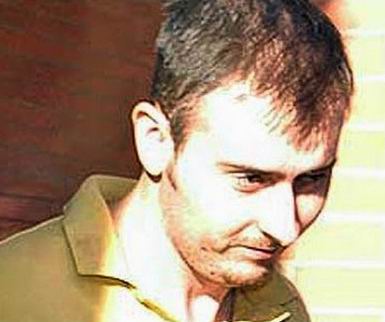
Forensic & Criminological Matrix
| Parameter | Forensic Detail |
|---|---|
| Forensic Heading / Aliases | The Lesseps Killer, The Elderly Rapist |
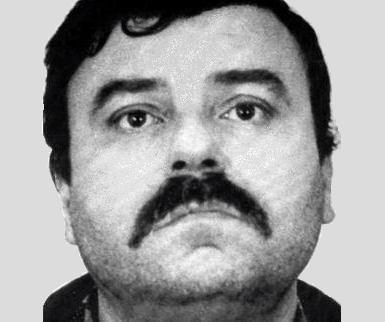
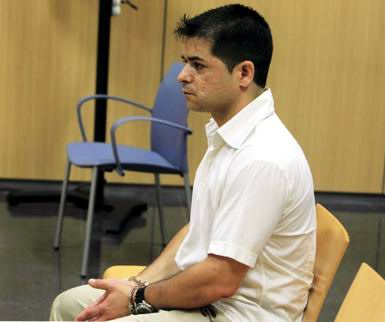
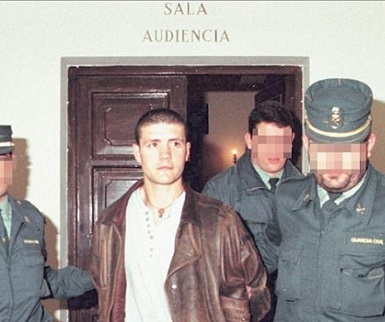
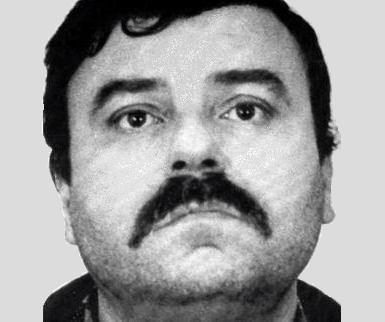
| Legal Identity | José Ignacio Orduña Mayo |
| Confirmed Victims | 4 |
| Attributed / Indicted Victims | 15+ |
| Active Timeline | 1978-1979; 1997-1998 |
| Jurisdiction / Area of Operations | Barcelona, Spain |
| Criminological Classification | Serial Killer / Rapist |
| Forensic Modus Operandi | Stalking, home invasion, blunt force trauma, sexual assault |
| Weapon / Mechanism of Death | Hands, blunt objects (tiles) |
| Motive / Behavioral Dynamics | Gerontophilia, psychopathic traits |
| Judicial Outcome | Sentenced to 86 years (1982) and 25 years (2000) |
1. Background and Profile
José Ignacio Orduña Mayo (b. 1954) is a Spanish serial offender characterized by a severe gerontophilic paraphilia. Raised in a working-class family, he exhibited psychopathic traits that manifested in two distinct crime sprees. Psychiatric evaluations noted an Oedipal fixation and an inability to engage in conventional sexual relations, which fueled his violent targeting of elderly women.
2. Crime Spree and Modus Operandi
Orduña stalked elderly women in public, following them to their homes. Upon entry, he would ambush them, using extreme blunt force to incapacitate or kill them. His most notorious crime occurred in 1979 at Plaza Lesseps, where he murdered two sisters. After his release in 1997, he murdered Carmen B. G. using tiles as weapons. His inability to consummate sexual acts often resulted in sadistic outbursts of violence.
3. Investigation and Arrest
Initial investigations were hampered by the random nature of his attacks. He was first arrested in 1979 after attacking a child and stabbing a witness. His second arrest in 1998 was secured through DNA evidence from a cigarette butt found at a crime scene and witness identification following media coverage.
4. Legal Proceedings and Outcome
In 1982, he was sentenced to 86 years for three murders and multiple assaults. Released after 18 years, he reoffended within months. In 2000, a jury found him guilty of the murder of Carmen B. G., resulting in an additional 25-year sentence.
5. Psychiatric Assessment and Conclusion
Psychiatric reports identified psychopathic personality traits with partial diminished capacity in his early trials. His time in prison failed to rehabilitate him, as he returned to criminal activity with increased sophistication and violence.