Forensic & Criminological Matrix
| Parameter | Forensic Detail |
|---|---|
| Forensic Heading / Aliases | None |
| Legal Identity | William Robert Jones Jr. |
| Confirmed Victims | 1 |
| Attributed / Indicted Victims | 1 |
| Active Timeline | 1984 |
| Jurisdiction / Area of Operations | Missouri, United States |
| Criminological Classification | Homicide offender |
| Forensic Modus Operandi | Homicide during a criminal act |
| Weapon / Mechanism of Death | Not specified (Executed by lethal injection) |
| Motive / Behavioral Dynamics | Criminal / Judicial vengeance |
| Judicial Outcome | Death penalty (Executed in 2002) |
1. Background and Profile
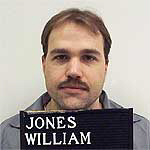
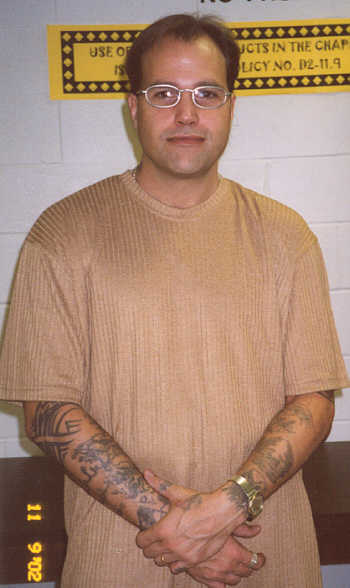
William Robert Jones Jr. (1964–2002) was an American man whose legal case became a focal point for debates regarding the death penalty in Missouri. His upbringing was characterized by instability, and he committed the crime for which he was convicted at the age of 20.
2. Criminal Career and Modus Operandi
The crime took place in 1984. Jones was convicted of a homicide committed during a robbery. Throughout his appeals, his defense team contended that his lack of financial resources resulted in ineffective assistance of counsel, leading to the exclusion of vital evidence during his original trial.
3. Investigation and Arrest
Following his arrest, Jones spent 17 years on death row. This prolonged incarceration was described by his supporters as a form of psychological torture, as he lived with the constant threat of execution.
4. Legal Proceedings and Outcome
Jones was sentenced to death. His case gained significant media attention due to the efforts of his wife, Gerti Jones, who campaigned for clemency. They were married on January 3, 2000, at the Potosi Correctional Center.
5. Forensic Psychiatric and Final Outcome
William Robert Jones Jr. was executed by lethal injection in 2002. In his final statement, he expressed remorse for the victim's family, while questioning whether his execution served the interests of justice or merely vengeance.