




Forensic & Criminological Matrix
| Parameter | Forensic Detail |
|---|---|
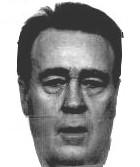
| Forensic Heading / Aliases | Carl Roy Davis, Butch Jones, Douglas Ray Starke |
| Legal Identity | Claude Howard Jones |
| Confirmed Victims | 1 |
| Attributed / Indicted Victims | 1 |
| Active Timeline | 1989 |
| Jurisdiction / Area of Operations | San Jacinto County, Texas, USA |
| Criminological Classification | Robbery-Homicide |
| Forensic Modus Operandi | Armed robbery with firearm usage |
| Weapon / Mechanism of Death | .357 Magnum Revolver |
| Motive / Behavioral Dynamics | Financial gain / Capital murder |
| Judicial Outcome | Execution by lethal injection |
1. Background and Profile
Claude Howard Jones (1940–2000) was a career criminal with a history of property crimes and violent offenses. Throughout his life, he utilized multiple aliases, including Carl Roy Davis and Butch Jones, to evade law enforcement scrutiny. His criminal trajectory culminated in the 1989 capital murder case that led to his execution.
2. Criminal Career and Modus Operandi
In November 1989, Jones was involved in a robbery at a liquor store in San Jacinto County, Texas, which resulted in the death of store clerk Allen Hilzendager. The perpetrator utilized a .357 revolver to commit the homicide. Forensic evidence at the scene included hair samples found near the cash register, which became the cornerstone of the prosecution's case against Jones.
3. Investigation and Arrest
Following the murder, Timothy Mark Jordan and Kerry Dixon were initially detained. Jones was arrested in December 1989. The prosecution relied heavily on the testimony of Jordan, who claimed Jones had confessed to the murder, and on forensic testimony from a state chemist who linked a hair fragment to Jones. Notably, Jordan's own hair was never collected for comparison.
4. Legal Proceedings and Outcome
Jones was convicted of capital murder in August 1990 and sentenced to death. Despite a 3-2 split decision in the Texas Court of Criminal Appeals in 1994, the conviction was upheld. Jones was executed on December 7, 2000. Post-execution, in 2004, Jordan recanted his testimony, stating he had lied to secure a plea deal. Subsequent efforts to perform DNA testing on the hair evidence were blocked by local authorities, leaving the case as a subject of intense scrutiny regarding the use of flawed forensic evidence in capital cases.