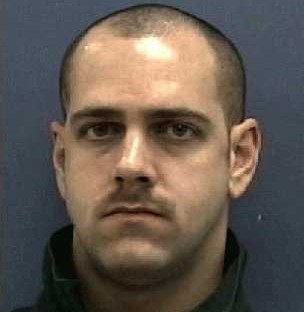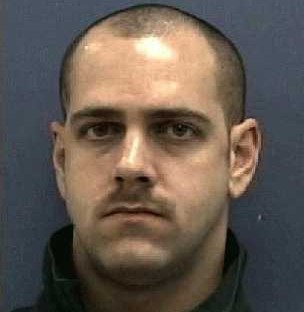
Forensic & Criminological Matrix
| Parameter | Forensic Detail |
|---|---|
| Forensic Heading / Aliases | None |
| Legal Identity | Ashley Lyndol Jones |
| Confirmed Victims | 1 |
| Attributed / Indicted Victims | 1 |
| Active Timeline | 1993 |
| Jurisdiction / Area of Operations | Georgia, United States |
| Criminological Classification | Robbery-homicide offender |
| Forensic Modus Operandi | Blunt force trauma via sledgehammer |
| Weapon / Mechanism of Death | Sledgehammer |
| Motive / Behavioral Dynamics | Robbery and depravity of mind |
| Judicial Outcome | Death sentence (upheld on appeal) |
1. Background and Psychopathy
Ashley Lyndol Jones was involved in a violent crime spree in 1993 that resulted in the murder of Keith Holland. His criminal profile is defined by a rapid escalation from property crimes to extreme, lethal violence.
2. Crime Spree
The spree began with the theft of beer from a convenience store in Ware County, followed by the theft of a Ford truck belonging to Rudolph Melton. On March 31, 1993, Jones and his accomplice, Allen Bunner, arrived at the home of Keith Holland. Using a ruse involving a dead battery, they lured Holland outside. Jones struck the victim from behind with a sledgehammer, delivering at least six potentially fatal blows to the head and face, continuing the assault even after the victim was incapacitated on the ground.
3. Investigation and Arrest
Jones and Bunner fled to Florida in the stolen truck. Law enforcement tracked them through phone calls made to an associate in Georgia, leading to their arrest at a welcome station near the state line. The stolen vehicle was later discovered burned in a nearby wooded area.
4. Legal Proceedings and Outcome
Jones was tried in Coffee County. He was convicted of malice murder, felony murder, armed robbery, and theft. The jury recommended the death penalty, citing the heinous nature of the crime and the presence of aggravating circumstances. The Georgia Supreme Court affirmed the conviction and sentence in 1997, rejecting claims regarding jury bias and victim impact testimony.